Peru’s Election Turns Into Democracy Test as Sánchez Allies Mobilize Against Fujimori’s Edge
With Keiko Fujimori virtually ahead and Roberto Sánchez calling supporters into the streets of Lima, Peru’s presidential runoff has become a national x-ray of distrust, class fracture, rural abandonment, and the dangerous arithmetic of governing with half the country still watching closely.
The Margin Has a Street Address
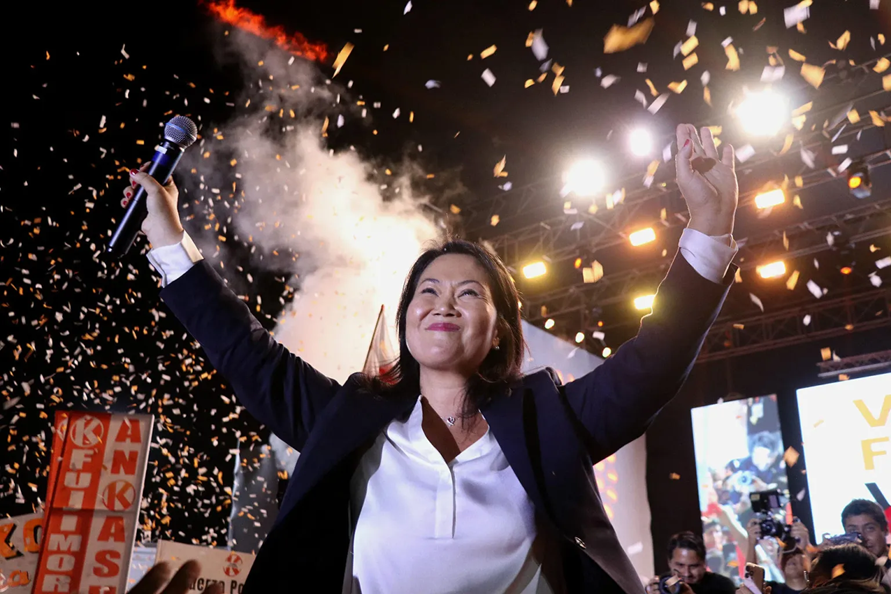
In Lima, the numbers have begun to feel less like arithmetic than atmosphere. With 99.05% of the runoff counted, a margin of 33,432 votes has put right-wing candidate Keiko Fujimori on the verge of a virtual victory over leftist Roberto Sánchez, according to electoral figures. Fujimori stood at 50.092%, or 9,125,179 votes, while Sánchez held 49.908%, or 9,091,747. That is not a mandate. It is a national whisper.
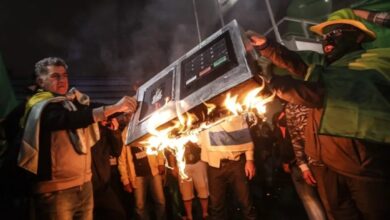
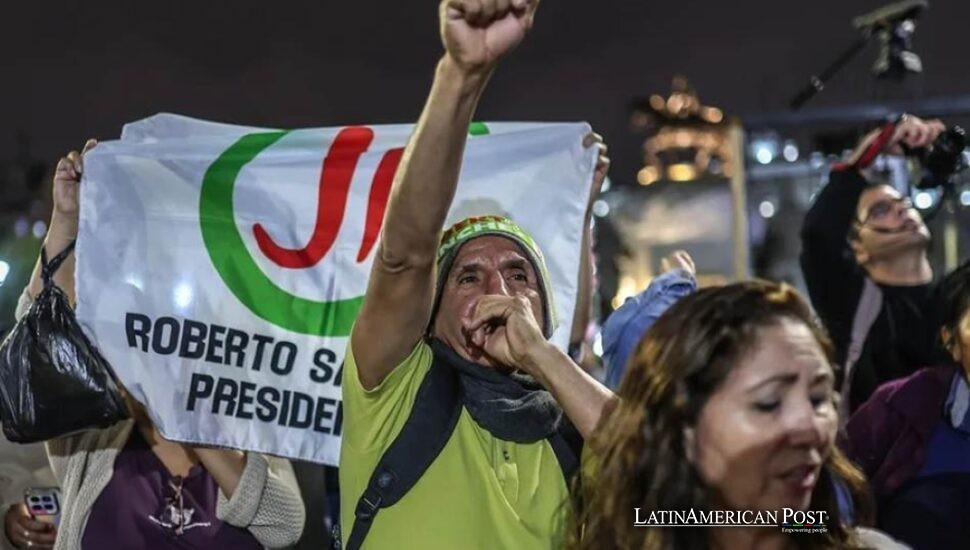
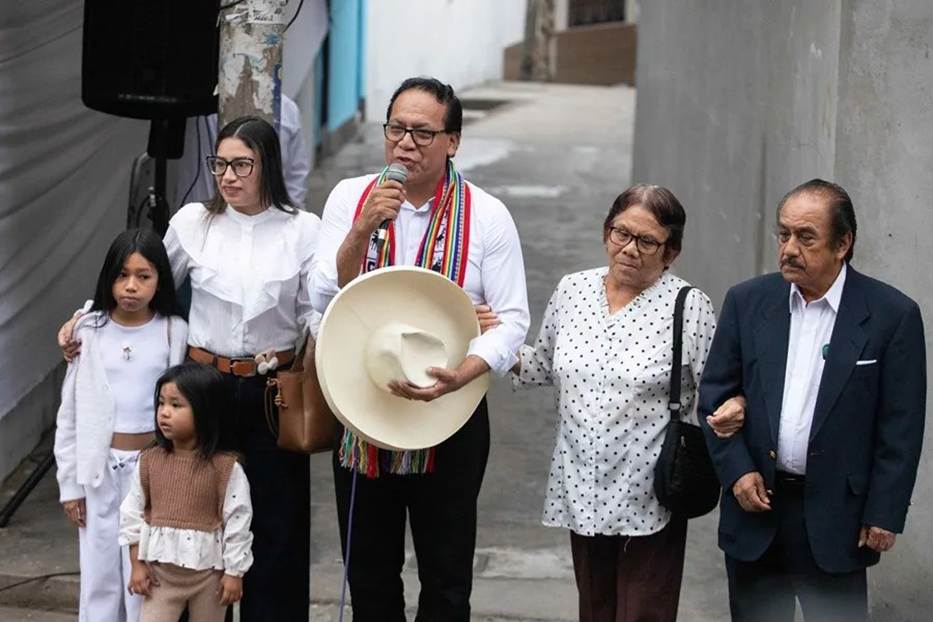
Juntos por el Perú, Sánchez’s party, responded Tuesday by calling a Friday mobilization in Lima “in defense of the popular vote,” rejecting the result indicating Fujimori’s win. The party summoned the “broadest unity” of democratic, social, labor, peasant, Indigenous, youth, and popular forces to build a Patriotic Popular Front from below. Its Campo de Marte rally in Jesús María is set for Friday afternoon, after Wednesday vigils and sit-ins nationwide. The statement also alleged opaque electoral authorities, midstream rule changes, nullity defects, and political-media maneuvers, saying the citizen vote had been delegitimized.
The scene is familiar, and that is precisely the problem. Peru has lived for years in the thin space between legal procedure and street legitimacy. The vote is counted in official offices, but it is believed, or not believed, in plazas, markets, bus terminals, and family kitchens. Sánchez, a sitting lawmaker who campaigned in the name of ousted and jailed former President Pedro Castillo, defended peaceful mobilization as a constitutional right. His slogan, “Only the People Save the People,” lands in Peru with both hope and warning.
A Country Split Beyond Percentages
The electoral map is not merely close. It is social geography made visible. Reuters reported that Fujimori dominated Lima, the urban vote, and the coast in early tallies. At the same time, Sánchez swept rural areas and the sierra, showing two electorates pulling in opposite directions. In Lahuaytambo, an Andean district outside Lima, the split became almost literary: 181 votes for Fujimori and 181 for Sánchez, a perfect tie in a town where residents spoke less about ideology than roads, water infrastructure, and pensions.
That is the deeper data point. Peru’s center still sits in Lima, where money, media, ministries, and coastal confidence gather. But the political wound runs uphill. The Andes remember being visited during campaigns and ignored afterward. The rural vote that carried Castillo in 2021 did not vanish when he fell. It moved, hardened, and searched for a new container. Sánchez offered one. Fujimori offered another promise, order, experience, and a known brand in a country exhausted by improvisation.
The first round exposed the weakness of both. Fujimori won 17.19% and Sánchez 12.03%, meaning more than 70% of voters initially chose someone else, according to AP. In Peru, after years of presidents toppled, impeached, or imprisoned, there is a warning label on the next administration before it is even born.
The mathematical drama is only half the story. At 0.184 percentage points, Fujimori’s reported advantage is narrower than the patience of many Peruvians. Yet with only observed tally sheets left to resolve, Sánchez needs more than indignation. He needs the disputed votes to change the result in a way that electoral authorities and observers can defend publicly. Reuters reported earlier in the count that contested ballots were under review by Peru’s National Elections Jury. At the same time, international observers had found no major problems with the race at that stage.
Latin America Watches the Aftershock
This is where Peru stops being only Peru. Across Latin America, tight elections increasingly become tests of institutional credibility, not just popular preference. A losing side claims manipulation. A winning side calls for order. Social media supplies fury. The region knows this choreography too well.
For Fujimori, if her advantage becomes official, the presidency would arrive with a legitimacy problem attached. Her surname still carries the double charge of her father Alberto Fujimori’s legacy: security and economic stabilization for some, authoritarianism and abuses for others. A razor-thin win would not erase that history. It would intensify it. Every cabinet appointment, policing decision, and congressional maneuver would be read through suspicion by a left that already says the vote has been delegitimized.
For Sánchez, the mobilization strategy also has a cost. Peaceful protest is democratic oxygen, especially in a country where rural and Indigenous voices have often been treated as noise from far away. But the line between vigilance and permanent delegitimization is delicate. If challenges fail, insisting that victory was stolen without decisive proof could deepen the same institutional collapse his supporters say they fear.
The country’s next chapter will depend less on who celebrates first than on whether the loser can remain inside democracy and whether the winner can govern beyond a base. Peru’s mining-heavy economy needs predictability. Its citizens need something more intimate: safety, work, schools, roads, hospitals, and a state that arrives before a campaign caravan.
Latin America should watch closely because Peru is showing the future in miniature. Fragmented parties, anti-establishment rage, rural abandonment, crime anxiety, and distrust of electoral referees are no longer local symptoms. They are regional weather. The ballot box still matters. But when half the country stares at the result and sees defeat not as loss, but as dispossession, democracy must do more than count. It must convince.
Also Read: Latin America and the Caribbean Face HIV’s Comeback Warning Lights