Ecuador Prison Massacres Reveal the Lucrative Underworld Profiting Behind Bars
Eight deaths in two Ecuador prisons have broken a period of relative calm. The wider crisis involves cocaine routes, fractured gangs, and weakened institutions that have repeatedly surrendered everyday control, leaving prisoners and their families to absorb the devastating consequences.
The Silence Breaks Again
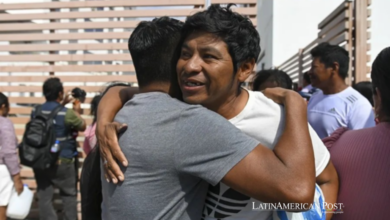
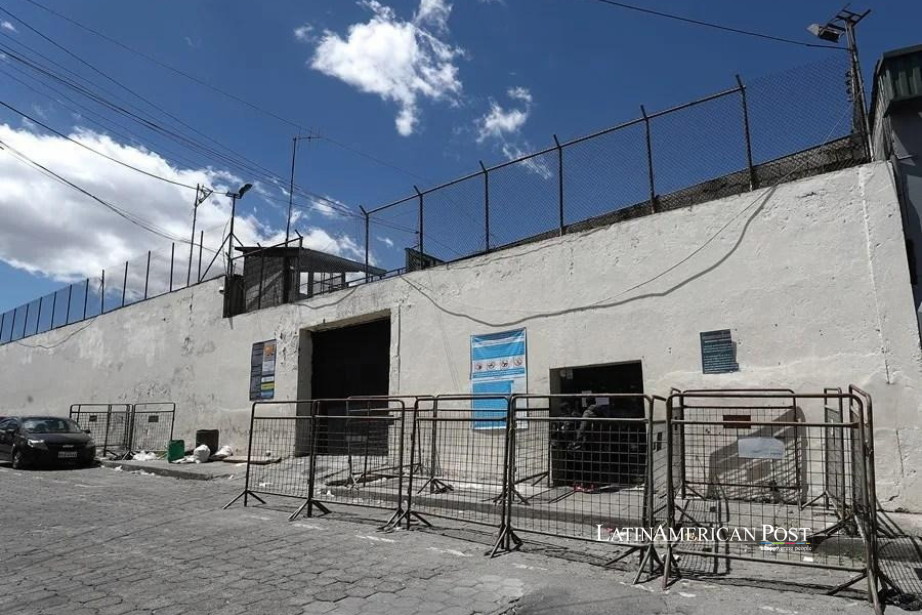
Outside Quito’s El Inca prison, relatives waited for news on Thursday, according to photographs. Inside, four prisoners had died. Another four were killed at the Cotopaxi prison in Latacunga. Ten people were injured across the two facilities, according to the prison authority, SNAI.
The October 22 attacks interrupted the relative calm following President Daniel Noboa’s prison interventions. SNAI said it had identified suspected perpetrators and would transfer them to El Encuentro, the maximum-security facility central to his campaign to restore control.
Much remained unsettled. An internal report publicized by journalist Karol Noroña described shootings and an apparent strangulation in Latacunga. The suggestion that rival organizations coordinated attacks against Los Choneros prisoners remained unconfirmed. Identifying alleged organizers and announcing their transfers still left an urgent question unanswered: how weapons reached their targets.
That question reaches back beyond Noboa.
In December 2020, the assassination of Jorge Luis Zambrano, known as Rasquiña, shattered the leadership arrangement around Los Choneros. Former allies challenged its authority. Groups including Los Lobos and Los Tiguerones became adversaries in a struggle extending through prison wings and neighborhoods.
In February 2021, coordinated violence across several prisons killed 79 inmates. That September, at least 119 died at Guayaquil’s Litoral Penitentiary. Those two outbreaks alone claimed at least 198 lives. Concentration matters: rivalries could cause catastrophic losses within hours, overwhelming any reassuring picture drawn from quieter weeks.
How a Cell Becomes a Business
Ecuador’s location helps explain the money behind those rivalries. Between Colombia and Peru, the country offers Pacific ports through which cocaine can enter international commerce. Criminal organizations compete to move shipments and protect access to export infrastructure. Their relationships with foreign traffickers give local disputes financial stakes far beyond a prison fence.
Inside, control brings another revenue stream.
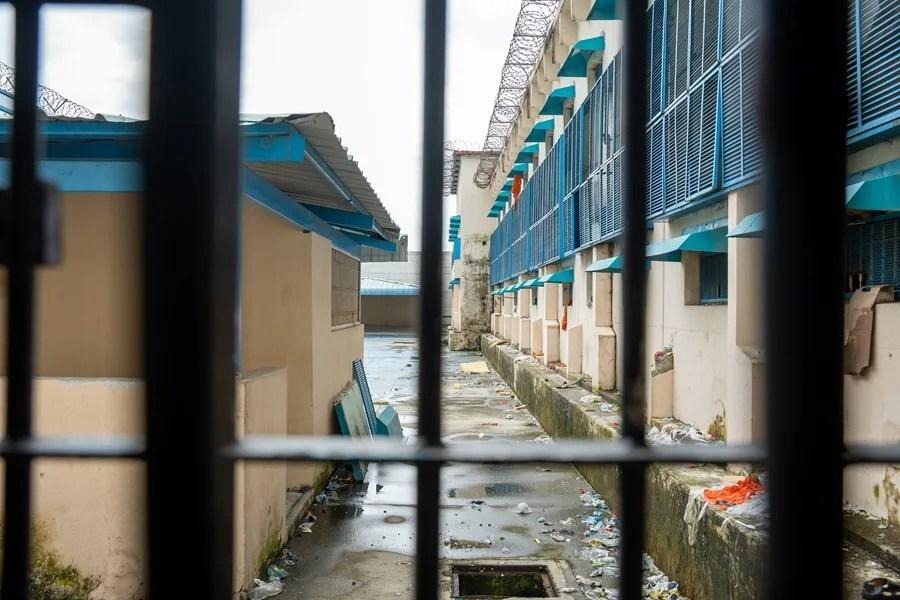
Human Rights Watch documented in 2022 how prisoners and their relatives paid gangs for protection and necessities. Some families described transferring $20 to $50 weekly into strangers’ accounts. Over a year, an uninterrupted demand at those levels would extract $1,040 to $2,600 from a household. That calculation illustrates the burden; it is not a measured annual average.
A mattress, access to supplies, and the possibility of avoiding an isolation cell became opportunities for coercion. Families outside effectively helped finance the criminal authority holding their relatives inside. Arresting a gang member could therefore leave the organization’s income and command structure operating.
The large prisons opened during Rafael Correa’s presidency were supposed to modernize incarceration. Instead, concentrating inmates without adequate staffing helped criminal networks consolidate. Latacunga’s place in that history makes another promise of architectural salvation particularly difficult to accept.
The state’s retreat had identifiable institutional roots. Human Rights Watch reported that dissolving the Justice Ministry in 2018 handed prison oversight to SNAI, an agency with fewer resources and less influence. The Inter-American Commission on Human Rights found an average of one guard per 62 detainees per shift, and one per 99 in some larger prisons.
Those historical ratios describe how the crisis developed; they should not be mistaken for current staffing figures. They show the difficulty of protecting vulnerable prisoners when officers themselves are outnumbered and exposed. Corruption compounds the imbalance by allowing weapons and contraband through supposedly controlled boundaries.
Overcrowding intensifies that struggle. More people compete for limited space, services, and protection, making it harder to resist affiliation with an armed group. Yet crowding alone cannot explain coordinated attacks. Money, organizational disputes, and access to weapons turn institutional weakness into a capacity for organized killing.
Moving Prisoners, Leaving Problems
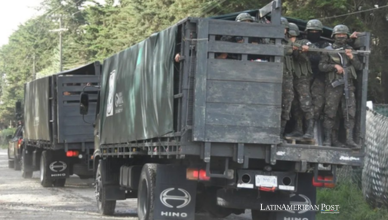
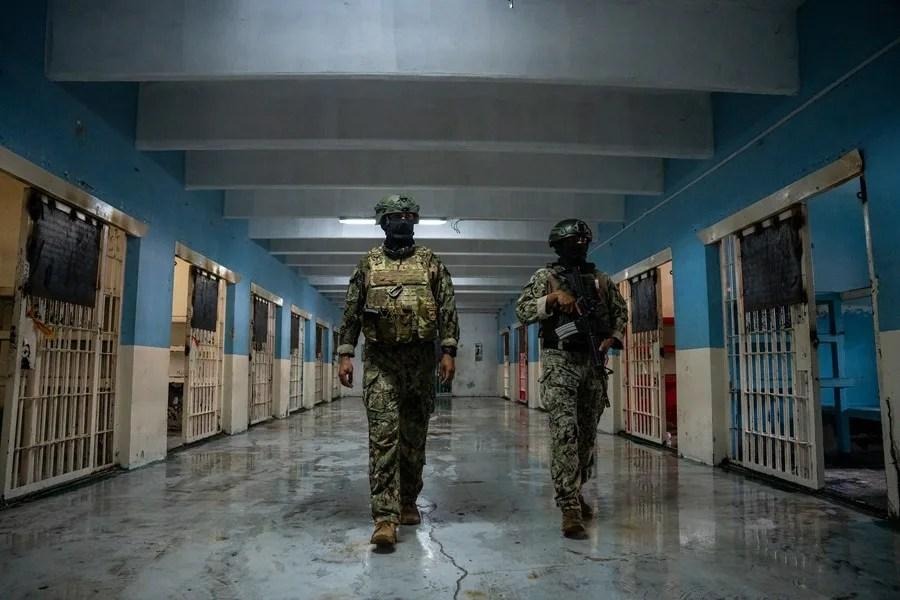
Noboa declared an internal armed conflict in January 2024 and deployed military force against criminal organizations. Armed intervention can interrupt immediate violence. Maintaining lawful control afterward requires reliable civilian administration, functioning intelligence, and investigations into the officials and suppliers who enable prison economies.
Transfers can disrupt those economies, but also destabilize existing arrangements. In November 2025, violence at Machala prison killed at least 31 inmates as authorities prepared transfers. Officials linked the outbreak to that reorganization. The episode demonstrates why moving prisoners requires anticipating retaliation and protecting those left behind.
The broader figures complicate claims of success. Official data obtained by Reuters recorded 1,220 prison deaths in 2025, including at least 206 violent deaths, compared with 46 violent deaths in 2024. The violent toll grew more than fourfold. The overall total includes illness and other causes and cannot be presented as a massacre count. Fewer riots alone cannot establish safer custody.
Thursday also brought the detention of opposition politician and former presidential candidate Luisa González. Interior Minister John Reimberg suggested a connection between her arrest and the prison attacks, without presenting evidence. “Coincidence?” he asked on X, in remarks reported by EFE.
That insinuation does not explain the weapons, compromised controls, or decisions that left eight prisoners dead. Establishing responsibility requires evidence connecting people to specific acts. Political timing cannot supply it.
El Encuentro may hold the next group of suspects. Ecuador’s harder task is ensuring that every prison has an authority stronger than the gangs and accountable for keeping people alive. Families should not have to purchase that protection themselves.