Ecuador Hunts Machismo Where Family Silence Still Keeps Predators Alive
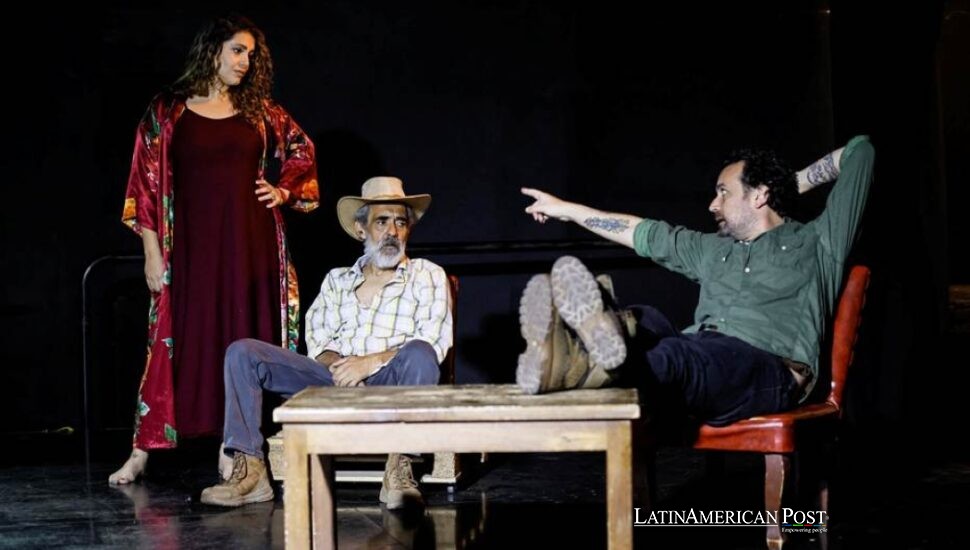
In Quito, a psychological thriller turns a quinceañera into prey, exposing how domestic machismo survives not as an ancient relic but through family rituals, economic dependence, digital misogyny, institutional weakness, and the silence that protects violence inside Ecuador’s private rooms.
When the Birthday Becomes the Hunt
The rifle arrives before the celebration can become a memory.
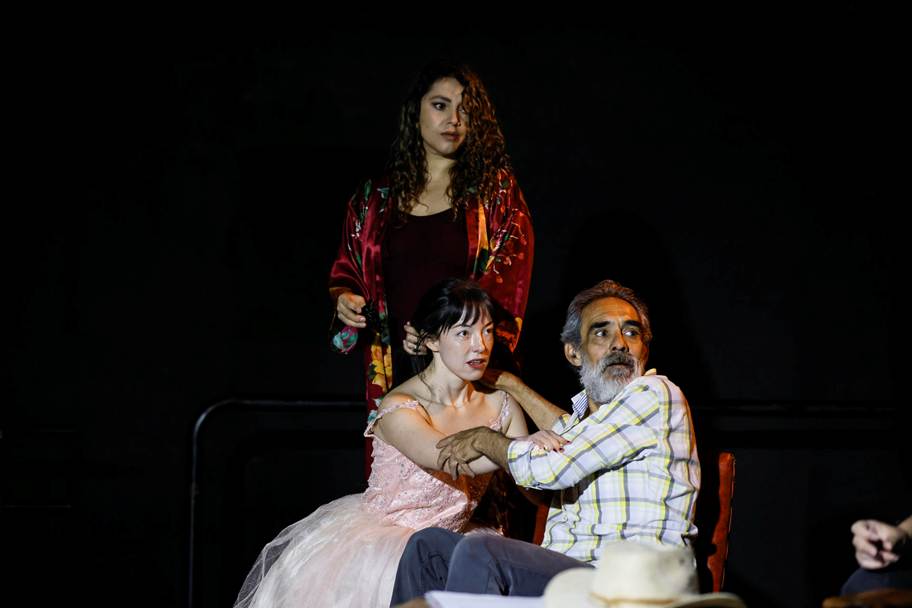
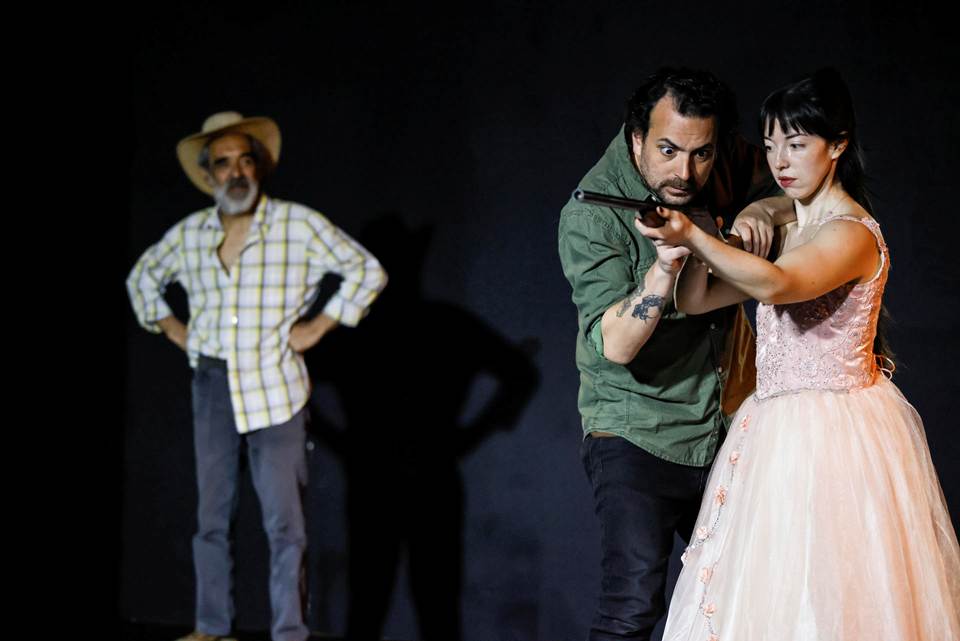
In Conjuro para cazar venados, a family travels into the mountains to hunt deer and mark Irene’s 15th birthday, that deeply Latin American threshold between childhood and womanhood. But no animals appear. Gradually, the men’s attention shifts. So does the gun. Irene, dressed for a rite of passage, becomes the prey.
The psychological thriller, written by Mexican playwright Ginna Álvarez and directed in Quito by Ecuadorian Isadora Fonseca, takes a family ritual and twists it until its hidden logic becomes visible. The hunt is not simply a metaphor for one monstrous man. It exposes a household where domination has become custom and abuse hides behind kinship, celebration, alcohol, and tradition.
Fonseca told EFE that the production approaches violence “from a non-pamphleteering place,” tracing how it passes between generations through quinceañeras, drinking, and weapons. The play does not present machismo as an external invader. It shows it being reproduced within the family by people who call their behavior “protection,” “authority,” or simply “tradition.”
Onstage, memory becomes unstable. Irene’s father has Alzheimer’s disease. He belongs to an older masculinity weakened by age and confusion, yet in flashes he recognizes the danger surrounding his daughter. He gives her a rifle, a gesture Fonseca describes as an invitation to command her own life before the household consumes her.
The gift is protection and indictment. In a family where institutions are absent, and adults cannot be trusted, a girl is burdened with the responsibility of defending herself.
A System Inherited at Home
Machismo has not disappeared because it was never merely an organization that could be dissolved, outlawed, or deprived of leaders. It survives as a social arrangement distributed across homes, schools, churches, workplaces, courts, police stations, popular culture, and now digital platforms. Its durability comes from repetition.
The mother in the play makes that machinery visible. Trapped in her own submission, she passes an inherited “female role of oppression” to Irene. This does not make her the moral equivalent of the predator. It shows how systems recruit the wounded into maintaining the rules that harmed them.
In many Latin American families, respectability has depended on women preserving the household, absorbing humiliation, and avoiding public scandal. Leaving can mean losing income, housing, children, relatives, or social standing. Silence is often misread as consent when it may be an improvised survival strategy.
That distinction explains why legal reform, though essential, cannot alone erase violence. Ecuador criminalized femicide in 2014, yet 2,464 cases have been recorded since then, according to figures cited by the production. Each marks a death and an institutional failure. Fatal violence rarely begins at the fatal moment. It grows through threats, coercive control, economic restriction, stalking, humiliation, sexual abuse, and previous assaults that communities normalize until denial becomes impossible.
The World Health Organization estimates that one in three women experiences violence. Survivors face injuries, depression, anxiety, post-traumatic stress, isolation, stigma, and deteriorating physical health. In Ecuador, those harms deepen when poverty, informal work, limited care, and fear of retaliation make reporting dangerous or impossible.
The family can become both refuge and trap. That is the unsettling truth inside Álvarez’s script. The violence is intimate, but its causes are political and economic. A woman unable to afford rent cannot exercise freedom like one with savings. A teenager taught obedience but not bodily autonomy enters adulthood less prepared to identify coercion. A police complaint means little when protection is slow or distrusted.
Education matters, but not as a slogan. It must include emotional literacy, consent, economic independence, bystander responsibility, and the dismantling of the idea that masculine worth depends on conquest.
The Backlash Finds New Screens
Chilean-Uruguayan actor Ignacio de Vries plays Carlos, the production’s clearest embodiment of predatory masculinity. Carlos sees women, regardless of blood relation, friendship, or intimacy, as quarry. “He is a predator,” de Vries told EFE, describing the play’s comparison between sport hunting and the pursuit of women.
Carlos may appear extreme, but the language surrounding him is increasingly familiar. De Vries points to online misogyny, the TradWife movement, and far-right “manosphere” figures whose messages travel from the United States into Latin America. Some fantasize about rolling back women’s political rights. Others package hierarchy as romance, obedience as femininity, and control as masculine restoration.
Their appeal is not mysterious. Economic insecurity, frustrated expectations, changing gender roles, and algorithmic platforms create a profitable market for grievance. Young men facing precarious work and diminished social mobility are offered an easy culprit: women who became too independent. Influencers then transform resentment into identity, community, and revenue.
This is why machismo can feel old and newly energized at once. Its symbols change. Its emotional bargain does not. It promises men authority in exchange for conformity and asks women to accept danger in exchange for belonging.
Fonseca argues that violence against women must be revisited repeatedly and from different angles because repetition has also sustained the violence itself. Theater reaches where official campaigns often cannot. It enters through image, dread, recognition, and silence. It asks the audience not whether Carlos is guilty, but who excuses him, who depends on him, who fears him, and who looks away.
At Quito’s Malayerba theater, Conjuro para cazar venados offers no tidy rescue. Its challenge is harsher. When the gun turns toward Irene, everyone in the room must decide whether she is still a daughter being celebrated or prey already abandoned.
The play’s answer is not hidden. Machismo remains alive because too many institutions still treat violence as private until a body makes it public. Breaking that order requires more than outrage after death. It requires hearing the danger while the house is still standing.
Also Read: Puerto Rico Rations Every Last Drop as Historic Drought Deepens