Colombia Counts Earthquake Losses While Survivors Face Mental Health Aftershocks
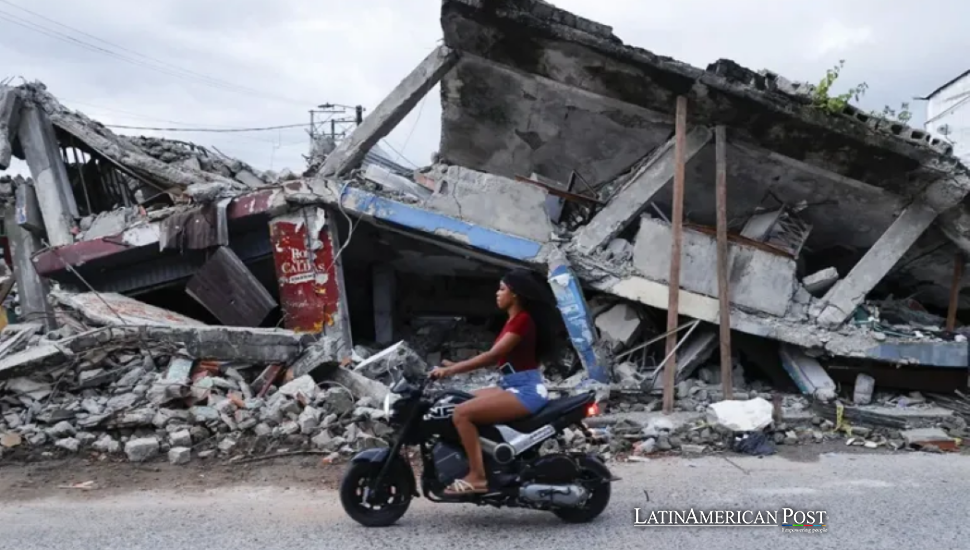
More than a month after Colombia’s devastating earthquake, survivors are seeking psychological help, often for the first time. Free counseling networks confront sleeplessness, persistent fear, and a reconstruction challenge that cannot be resolved with concrete, compensation, or another official tally.
The Emergency That Stays Awake
Sometimes the person making the call is not the one who needs help. It is a relative, a friend or a neighbor who has noticed that someone no longer sleeps properly, remains constantly alert or cannot recover an ordinary routine, psychologists told EFE.
The August 10 earthquake, magnitude 7.4, killed 331 people and caused an estimated $9.5 billion in damage. EFE’s September 14 reporting put the affected population at nearly 400,000. Those figures describe the disaster’s scale. The calls describe what it means to keep living inside its consequences.
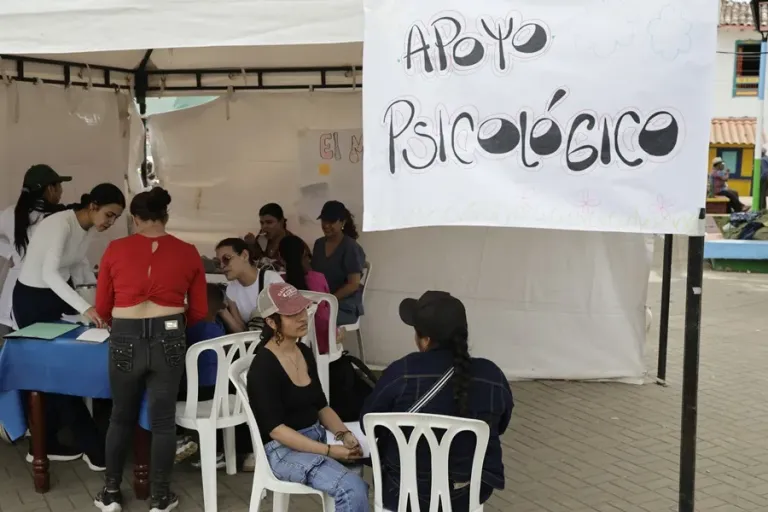
“Many people just want to be heard,” Nubia Villescas, dean of psychology at Fundación Universitaria Konrad Lorenz, told EFE. The university’s free emotional support network has mobilized more than 1,100 professionals, graduates and trainees. About 1,400 people of all ages have requested assistance, many approaching psychological care for the first time.
Compared with the roughly 400,000 people reported affected, those requests represent about 0.35%, or 3.5 per 1,000. That comparison establishes scale, not the prevalence of psychological distress. It excludes people using other services and reveals nothing about those who have not called. Requests also are not completed treatments or documented recoveries.
The achievement is nonetheless substantial: people who had never sought this kind of support are asking for it. But crossing that threshold should not require a catastrophe. Nor should the small share reaching one network become an excuse to assume the remaining households are managing.
Telephone care removes the need for a clinic visit, but availability is not the same as access. Someone must know the service exists, be able to connect and feel ready to speak. The family making that first call matters enormously.
A Call Cannot Replace a Roof
More than a month after the earthquake, people continue seeking help, brigade coordinator Diego Sánchez told EFE. The work has changed since the initial shock. Emotional recovery is not keeping pace with the calendar.
Villescas describes survivors who first had to establish whether relatives were alive, find somewhere to sleep, or secure food. Some need to repeat their experience. Others are not ready to speak. In that setting, silence can reflect the demands of survival rather than an absence of suffering.
This is where Colombia’s reconstruction choices become inseparable from psychological care. Listening cannot substitute for shelter. Shelter alone cannot resolve the fear callers describe. Treating the two as competing priorities would misunderstand the same families’ needs.
The response also complicates any picture of disaster assistance flowing only from abroad. A Colombian university, foundations, public entities and local relationships are helping connect survivors with support. When a neighbor calls about someone else, that neighborhood connection becomes a gateway to professional care.
Sánchez told EFE that each brigade member had attended four or five patients since the emergency began. That caseload cannot simply be multiplied by the entire 1,100-person roster: the reporting does not establish how many recruits handled cases or whether patients overlapped. Mobilization and delivered care are different measures.
The project also supports its own responders. “The psychologist is still a person,” Sánchez told EFE. Training does not make distressing testimony painless. Protecting caregivers belongs inside the response, not among the tasks postponed until everyone else has recovered.
The $9.5 billion damage estimate is not a mental health budget. The volunteer roster is not a permanent workforce. Neither answers the question reconstruction authorities now face: who will finance continued care when the first surge of solidarity begins fading?
Learning to Sleep on Uncertain Ground
For survivors, the fear has an unsettling complication: the ground has continued moving. EFE reported that the Colombian Geological Service had identified 297 aftershocks of the main earthquake and another 1,232 events associated with a shallower seismic swarm.
Together, those figures total 1,529 recorded events, but they are not 1,529 aftershocks. Nor do the totals establish how many people felt them. Precision matters here. Information intended to explain continuing activity should not accidentally magnify terror by presenting every instrument reading as another experienced blow.
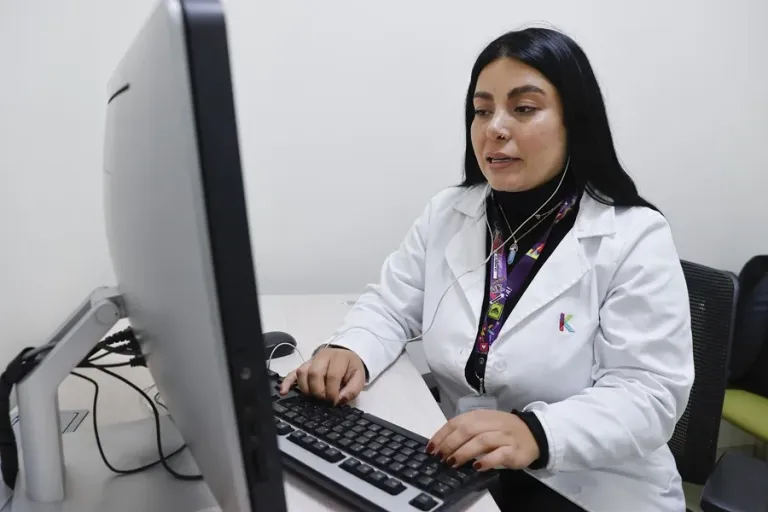
Ayuda en Acción, the Spanish organization operating in Colombia, opened a listening and guidance line after detecting emotional distress during the emergency. Its psychologist Luis Miguel Pérez told EFE that anxiety and fear of another earthquake were interfering with survivors’ daily lives.
His work includes children, among the tens of thousands of minors affected. Psychologists use play to help them recognize feelings and strengthen their support networks. That approach makes room for children whose experience cannot be organized into an adult account of what happened.
Support teams have also encouraged self-care, stronger personal connections, and attention to social media exposure. The aim is not to ask survivors to forget a danger they have already experienced. It is to help them recover enough room in daily life for something besides anticipating it.
Colombia’s reconstruction therefore needs a longer measure of success than the emergency response alone. Free support must remain reachable when a survivor finally has food, a bed, and enough breathing space to speak. A repaired house can be inspected. Whether the person inside can sleep requires another kind of attention.
Also Read: Mexico Turns Cannabis Cooking Into a New Test of Latin American Law