Argentine Messi’s Cup Doubles Its Field as River Plate Defends the Crown
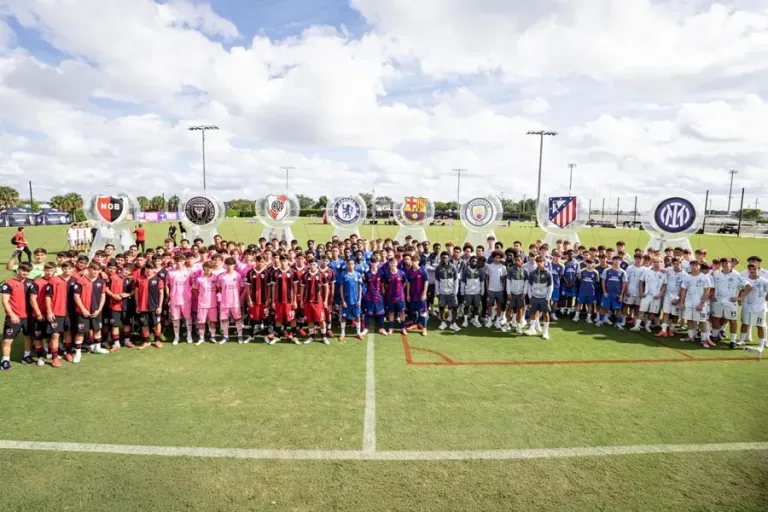
Lionel Messi’s youth tournament returns to South Florida with 16 academies, twice its inaugural field. River Plate arrives as defending champion, while an expanded South American contingent turns the Messi Cup into more than a showcase for European club names.
The Rain Came First
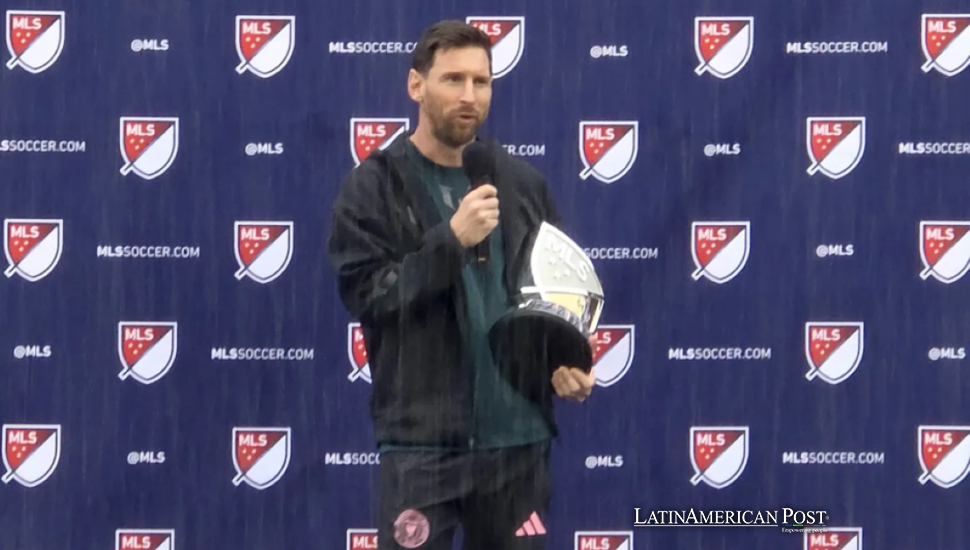
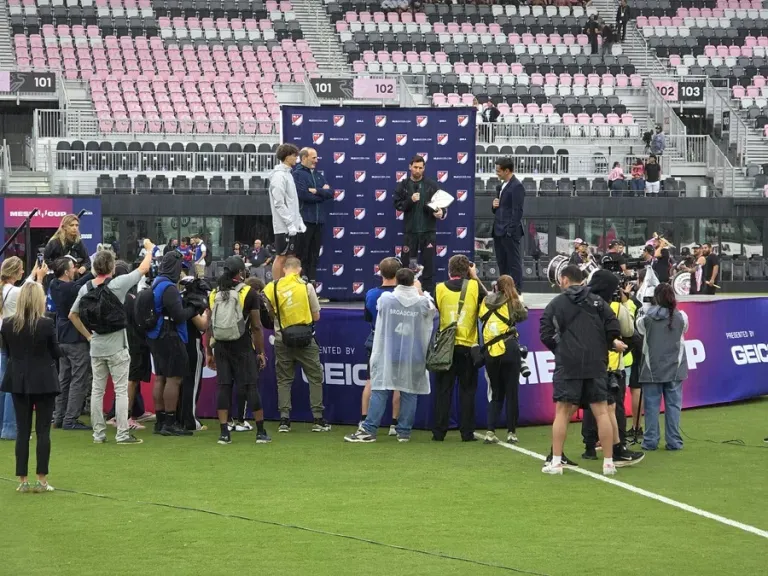
At the first Messi Cup, rain interrupted a moment Messi had planned. Messi had hoped the young players would join him on the field as he received his MLS Most Valuable Player award. Rain spoiled that arrangement. “It made no sense for everyone to get soaked,” he explained in remarks reported by EFE.
Parents and children still came. Some wanted to see the soccer; some wanted to see him. The two attractions were hard to separate.
Now the tournament is doubling. Its second edition will bring 16 under-16 teams from nine countries to South Florida from October 25 through November 1. Messi announced the expansion on Instagram, accompanied by footage from the inaugural competition.
“We are very happy to see how the tournament is growing,” he said in a statement reported by EFE, emphasizing competition, shared experiences and, above all, enjoyment.
That last word deserves room beside the famous club badges. These are academy players, not the first teams supporters see in major professional competitions. The appeal is watching young footballers encounter unfamiliar opponents before anyone knows how far their careers will go.
The original event ran December 9–14, 2025. This year’s announced window covers eight calendar days rather than six, an increase of one-third, while participation rises by 100%. The expanded field therefore does not automatically mean twice as much playing time for each teenager. Organizers have not yet released the new schedule and full format.
River Brings the Trophy
River Plate is not arriving merely to share a field with famous European clubs. It won the first edition, beating Atlético de Madrid 2–0 in the December 14 final at Chase Stadium. The tournament’s first champion came from Buenos Aires.
That result gives the return a different emphasis. Barcelona and Manchester City supply recognizable names, but River supplies the trophy everyone else will be trying to take. At youth level, however, defending a club’s title does not necessarily mean bringing back the same players.
South American participation is expanding faster than the tournament itself. River and Newell’s Old Boys represented the continent among eight teams last year. This edition adds Boca Juniors, while Palmeiras and Flamengo bring Brazilian academies into the competition and Independiente del Valle represents Ecuador.
That makes six South American clubs out of 16, or 37.5% of the field, compared with 25% previously. Their number has tripled while overall participation has doubled. The expansion changes who gets to compete, not simply how many matches spectators might watch.
Europe still supplies nine entrants, more than half the field. Ajax and Benfica join a competition that also brings together English rivals Chelsea and Arsenal. Inter Miami is the sole North American representative. The nine-country reach is significant, but this remains a selected gathering of academies rather than a comprehensive picture of global youth soccer.
The expanded field also rearranges familiar rivalries. Boca and River now share the invitation list, although no meeting between them has been announced. Argentina, England and Spain each supply three clubs. Together, those countries account for nine of the 16 teams, showing how an international tournament can broaden its reach while remaining geographically concentrated.
The announcement also identifies participating Spanish club UE Cornellà as Messi-owned. His involvement therefore extends beyond lending his name to the trophy. The event combines a celebrity platform with clubs and young players whose immediate objectives concern development and competition.
A larger field can offer more opportunities for comparison. A midfielder accustomed to one team’s patterns may confront a different tempo or defensive approach. The educational value lies in that encounter, not in assuming a teenage result predicts the balance between senior clubs.
The Families Behind the Badges
Last year’s spectators offered another explanation for the tournament’s appeal. “We came to see Messi and the game because she loves playing,” Giselle Valdéz told EFE, accompanied by her daughter Isabella Osorio, a midfielder dreaming of a World Cup.
Paulina Llaga attended with her four children. After hearing Messi promise time with the youngsters, she told EFE the family intended to return. Their enthusiasm was about proximity: someone usually encountered through a screen was standing nearby.
The organization Fútbol Con Corazón also brought adolescents to the opening match. A representative told EFE that it uses sport to support young people experiencing difficulties at home. Their presence connected an elite academy competition with needs that exist well beyond professional scouting.
For families planning this year’s visit, the venue picture is still incomplete. The announcement places several matches at Inter Miami’s Nu Stadium, while promotional material also identifies Chase Stadium and training fields in Fort Lauderdale. A detailed schedule is still pending.
The distinction matters when arranging transport and deciding which games children can attend. Neither a famous host nor an expanded lineup provides that practical itinerary.
Messi’s name brought families through the rain last December. River’s players supplied the ending on the field. This time, twice as many teams will have a chance to shape the story, and the teenagers wearing those badges remain more than predictions of who might someday become famous.
Also Read: Montevideo City Torque Crashes Sudamericana Semifinals with Cinderella Drama and Famous Relatives