Ueno Bank’s Collapse Leaves Latin American Soccer Checking Its Balance
Ueno Bank sponsored Paraguay’s soccer team and held players’ savings. After its collapse, South America’s soccer confederation says it can pay the two champions $35 million in total. Players who banked their earnings back home still wonder what they can recover.
A Patch on Cerro’s Jersey
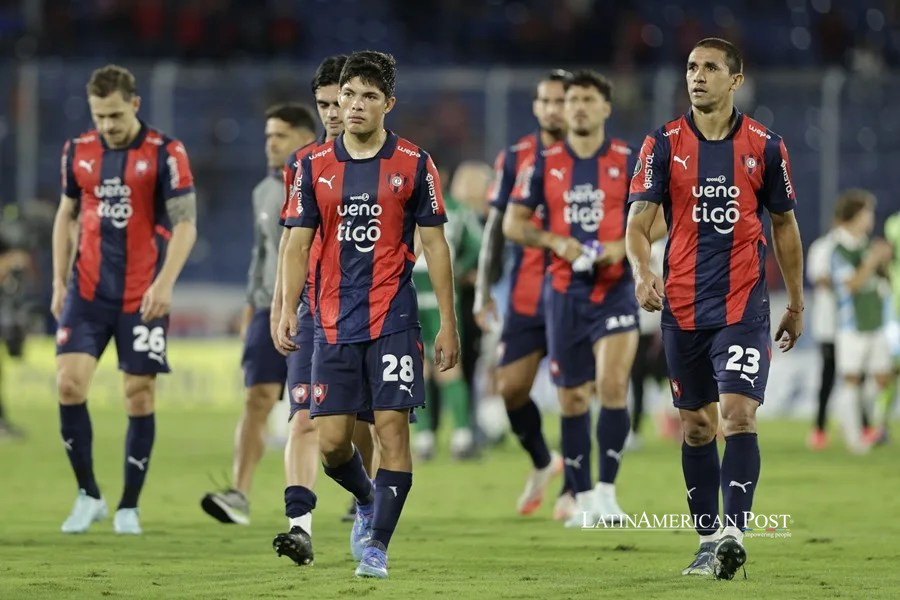
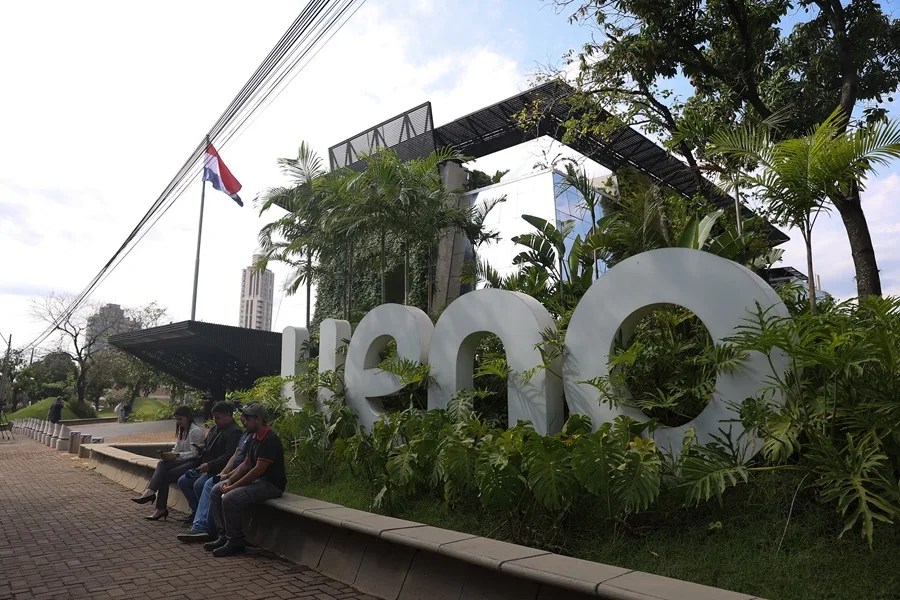
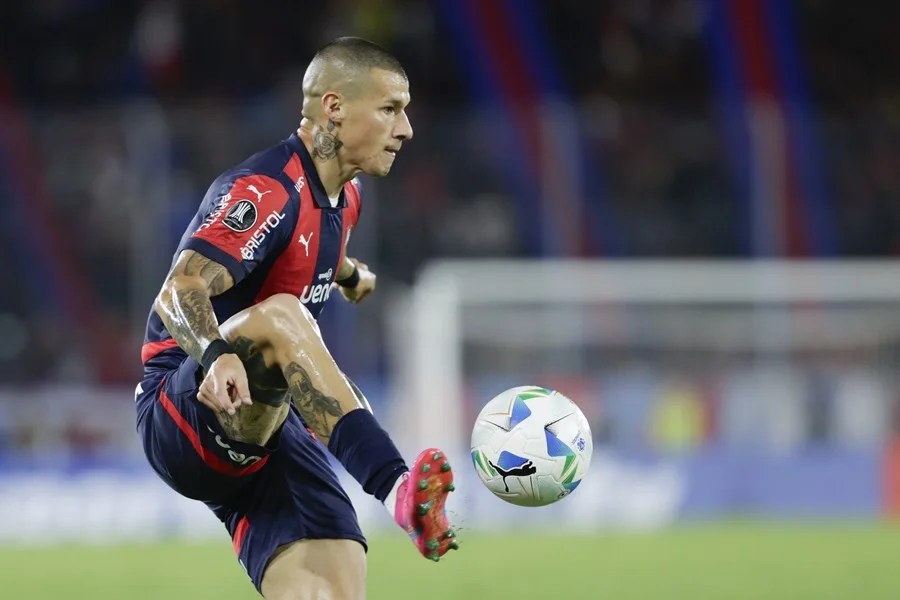
Thirty minutes into Cerro Porteño’s game at Libertad on November 4, Sergio Araujo scored the game’s only goal wearing a patch over Ueno Bank’s name on his jersey. Cerro’s great Asunción rival, Olimpia, covered the same logo. Cerro vice president Luis Ortega said the bank’s collapse had affected every player on the team. He wanted the clubs and the national federation to sit down together.
Ueno had bought the naming rights to Paraguay’s first division. Its deal with the Paraguayan Football Association was worth $12 million over four years and ran through 2026. The same bank handled paychecks for some local pros. Their union was already asking players who else had money there. Rodrigo Codas, a lawyer for several Paraguayan internationals, told ABC Cardinal radio that the bank’s president used to come into the national team’s locker room.
On November 2, Paraguay’s central bank began winding down Ueno after the lender’s solvency ratio fell below half the required minimum. Ueno counted nearly three million customers, roughly 60 percent of Paraguay’s adult population. It also held about $850 million in public money, much of it from pension funds. A supporter who had never opened a Ueno account could still have retirement money tied up there.
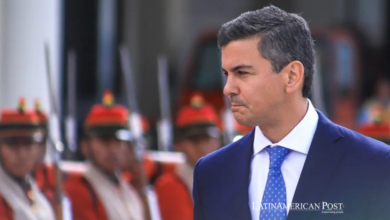
The Senate removed President Santiago Peña, who until 2025 had owned shares in the group that controlled Ueno. Prosecutors allege he used his office to keep public deposits at the bank. Peña denies wrongdoing. On November 7, a judge ordered him held pending trial on charges of breach of trust and managing assets for personal gain.
Who Gets Paid in Full?
Gustavo Alfaro was in Singapore to coach Paraguay in a friendly when his bank account came up. “We’re among the three million people affected by this problem,” he said at a news conference covered by EFE. Paraguayan outlets put his holdings at between $7 million and $10 million. Alfaro gave no figure. He said the people in greatest need should be helped first.
Some of the men Codas represents play abroad and kept their savings back home. He estimates roughly ten players had close to $10 million at Ueno between them. Paraguay guarantees each eligible depositor up to 75 monthly minimum wages, about $38,000. If ten players each held an eligible account in their own name, the guarantee would cover at most about $380,000 between them. For those players, at least 96 cents of every dollar would fall outside the state guarantee.
By November 11, the central bank said it had advanced about $644 million to more than 1.8 million eligible depositors. The first rounds covered balances up to 40 monthly minimum wages, roughly $19,600. For someone whose last paycheck was all that remained in the account, that transfer could settle the matter. Nobody could yet tell the players how much of their savings above the guarantee they would see again.
CONMEBOL, which runs South American soccer, held $14.3 million in fixed-term deposits at Ueno. A source at the confederation told EFE that the certificates represented about 2.4 percent of its $600 million in 2025 revenue. The confederation gave no date for recovering the deposit, but said the two upcoming cup finals and their prizes were secure.
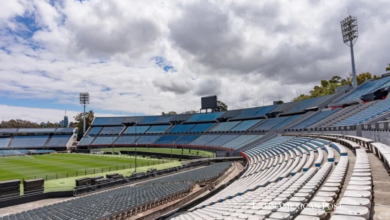
On November 21 in Barranquilla, Boca Juniors and Atlético Mineiro play for the Copa Sudamericana and $10 million. A week later in Montevideo, Palmeiras and Estudiantes de La Plata play for the Copa Libertadores and $25 million. The frozen deposit exceeds the Sudamericana winner’s purse by $4.3 million. CONMEBOL says the winners can collect even if its own money remains tied up.
The Price of a Signature
A quarter century ago, Brazil’s Flamengo nearly saw its trademarks dragged into a sponsor’s bankruptcy. In April 2001, the club agreed to end its deal with International Sport and Leisure, the Swiss firm that marketed FIFA rights. That left Flamengo in control of its name when the company failed in May. Soon afterward, as Argentina’s economic crisis hit the television market, CONMEBOL cut the Libertadores payment for reaching the round of 16 from $450,000 to $200,000. EFE reported that clubs sold promising young players to help cover their bills.
The 2015 FIFAgate investigation exposed officials taking bribes for broadcasting and marketing rights. Chilean federation president Sergio Jadue pleaded guilty in the United States. A Brooklyn jury later convicted Paraguay’s Juan Ángel Napout and Brazil’s José Maria Marin. In 2021, the U.S. Justice Department recognized more than $201 million in losses to soccer organizations, including CONMEBOL. The very organizations those men had led were among the victims entitled to recover money.
In Colombia, the collapse of brokerage firm Interbolsa in 2012 reached Bogotá’s Millonarios through a shareholder. The following year, regulators froze the 4.08 percent stake registered to businessman Juan Carlos Ortiz. They said the club could keep operating. Creditors could pursue his shares without taking the gate receipts.
In Luque, the Paraguayan city where CONMEBOL has its headquarters, Sportivo Luqueño had a chance to decide how far Ueno could go. Club president Daniel Rodríguez told ABC Cardinal that one proposal would have required directors to bank exclusively with Ueno and move their own businesses into its network. Luqueño accepted an ordinary sponsorship and turned down those terms. Rodríguez had been hoping to renew the deal. Now he needs another advertiser. When word came of the frozen accounts, he could tell supporters exactly how much of the club’s money was stuck in the bank. Zero.