Latin America and Caribbean Youth Gain Skills as Opportunities Shrink

Young people across Latin America and the Caribbean have more education than their parents did. As steady work and affordable housing slip out of reach, the generation best equipped to plan its future is learning how little a future education guarantees.
The Trouble Starts After Graduation
A diploma gives a family something to celebrate on a particular day. The payoff is harder to put on a calendar. A graduate can finish a course, do well on the exams, and discover that the employers hiring nearby need a different qualification. Going back to school costs money. So does waiting. For the family that helped put that graduate through school, both choices can feel like being asked to pay twice.
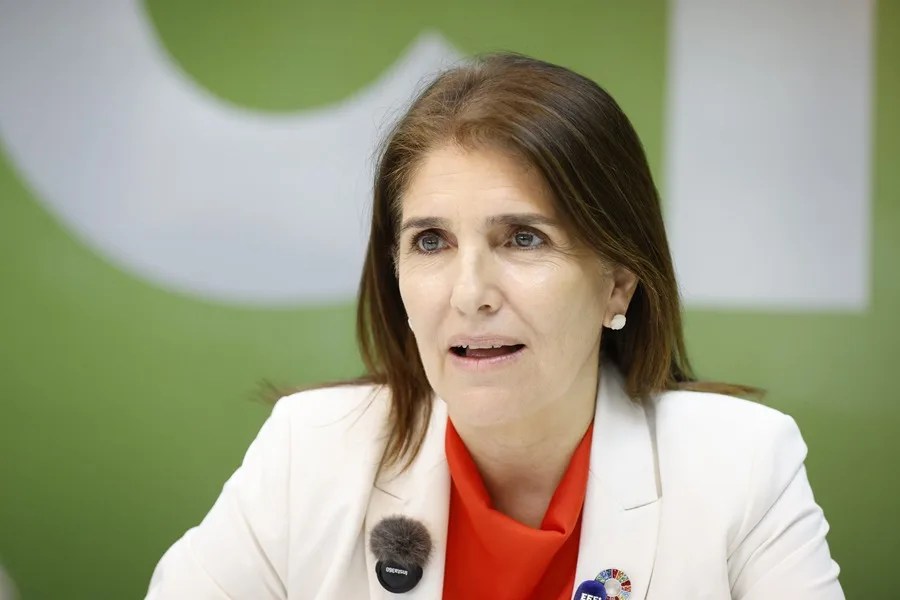
Paula Narváez, the United Nations Population Fund’s regional director, described the predicament in an interview with EFE in Panama City. Latin America and the Caribbean, she said, have the best-prepared, best-informed generation in their history, facing the fewest opportunities to put those advantages to use. Young people want to finish their studies and find their place at work. “The obstacles are external to them,” she told EFE.
The agency’s 2026 State of World Population report brings young people’s own accounts into a discussion usually conducted through employment and birth statistics. It draws on demographic indicators, reproductive health data and a survey about the futures people want. Asking what someone hoped would happen adds something consequential. A woman who has yet to find work in her field might look undecided from the outside. She may know precisely what she wants to do and where the last three applications went.
Narváez urged governments to look closely at what students are being trained to do and what employers actually need. That is a practical place to start. It also has a limit. A course can prepare someone for a vacancy. It cannot determine how regularly that job will pay, and the regularity of a paycheck matters well beyond the workplace. Eventually, somebody asks whether it is enough for two people to sign a lease.
What Four in Five Still Want
One of the report’s most revealing findings concerns adults ages 25 to 39 who had a partner but lived apart. Among those respondents, 78.6 percent of women and 80.2 percent of men wanted to marry or live together. The difference between them was 1.6 percentage points. Anyone looking for a great divide between men and women over commitment would struggle to find it in those answers.
The age range matters. It includes people nearing 40, well past the point when a delay can be casually explained as wanting a few more years to grow up. The wording matters, too. Respondents could imagine sharing a home without having a wedding. Even a couple willing to dispense with the ceremony still faces the expense that recurs every month, whatever happens to either partner’s work hours.
Narváez sees a measure of responsibility in the waiting. Better-informed young adults can weigh what it would take to maintain a household and recognize when the numbers do not add up. Here the region’s educational gains produce a result easy to misread. The very capacity to think ahead, something families and schools worked to cultivate, can lead a couple to postpone the move both want to make.
Who Gets to Choose the Timing
The consequences reach into parenthood. Latin America and the Caribbean have a total fertility rate of 1.8 children per woman, below the replacement benchmark of 2.1. Narváez told EFE that economic pressures have led some people to postpone having children they want and others to abandon that hope. Reading the regional figure as evidence that women have lost interest in motherhood assigns a preference to millions of people who were never asked.
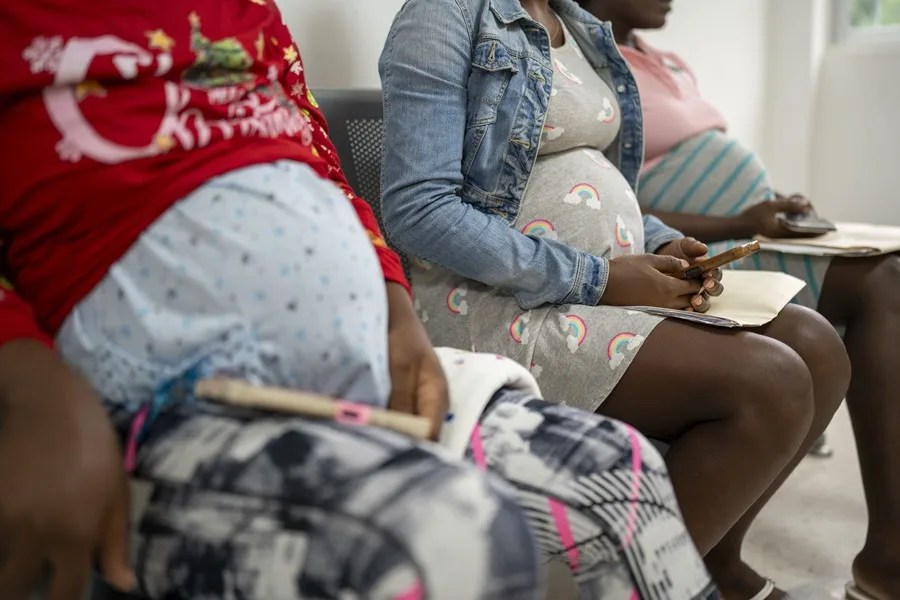
Alongside that figure sits another. For 2026, the region’s estimated adolescent birth rate is 48 births per 1,000 girls ages 15 to 19. Narváez said early motherhood in many cases reflects sexual violence and can set a girl on a path into poverty. For a teenager trying to stay in school after giving birth, a place in a classroom means little if nobody can look after her child during the hours she needs to be there.
A woman who keeps putting off a wanted pregnancy and a girl who becomes a mother before she wants to can live in the same community. Both experiences enter the fertility figures. A government could watch the average climb toward replacement and still have little idea whether either has gained more say over her life. The report’s consultations with young people matter for precisely that reason. A birth certificate records a date. Only the person concerned can say what that timing cost her.
For Narváez, persistent inequality runs through all these decisions. Two graduates with the same qualification can afford very different waits for a first decent job. One family can cover another month of expenses. The other needs help with groceries this week. By the time those graduates are old enough to consider a home or a child, an early difference in what their parents could afford may have shaped years of earnings. That is the loss Narváez wants policymakers to see. A region went to the trouble of educating a generation. Too much of what its young people can do with that education still depends on the household that paid for their bus fare to school.