Tesla Arrives in Argentina With an American Badge and a Chinese Postmark
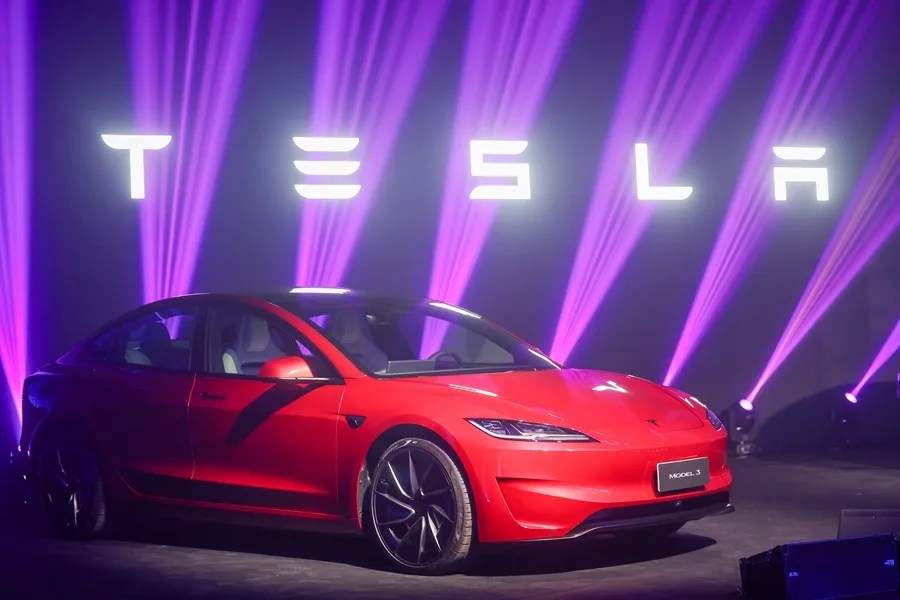
Tesla is taking orders in Argentina for the Model 3 and Model Y, both built in China. The cars start at $41,590. Whether a driver can plug one in at home may matter as much as what happens at customs.
What the Sticker Leaves Out
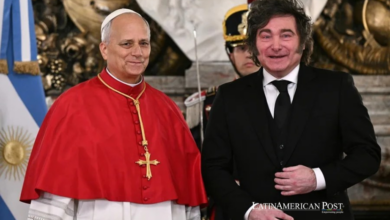
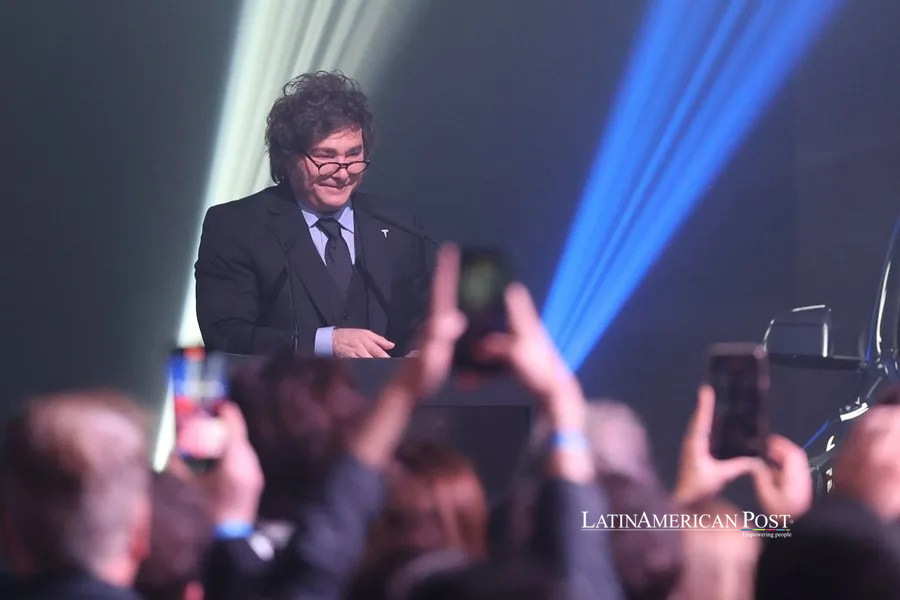
Javier Milei went to La Boca in person on Friday. Elon Musk joined by video from the United States and said he hoped Argentines would enjoy his cars. Anyone inclined to take him up on that will need some patience. Tesla expects its first deliveries in March and April 2027. The Model 3 sedan and Model Y SUV come in five versions. The most expensive costs $54,590, a $13,000 jump from the entry price. A household earning pesos has an exchange rate to check, too.
Milei told the audience in the old Buenos Aires port neighborhood that Argentina had spent decades behind “its own Iron Curtain.” He credited cuts to car taxes with bringing in new brands. In an industrial city like Córdoba, that history looks different from the factory gate. Duties on finished cars gave foreign automakers a reason to employ Argentines to assemble them. Someone who earned a living building cars under that arrangement could still have wished for a cheaper one to drive home.
At the border, the government still sets terms. It waives the usual 35% duty on cars from outside Mercosur, the regional trade bloc, for up to 50,000 qualifying hybrids and electrics a year across all brands. Each car must be worth $35,000 or less at its port of origin, before freight, insurance and taxes. The sticker price of $41,590 tells a buyer little about whether a particular Tesla met the test at origin and received a spot in the quota.
Toyota’s newly announced investment in a plant puts the stakes in familiar terms for local suppliers. An Argentine firm that makes seats can bid for work from an assembly plant. A finished car coming down a ship’s ramp has all the seats it needs.
The View From Zárate
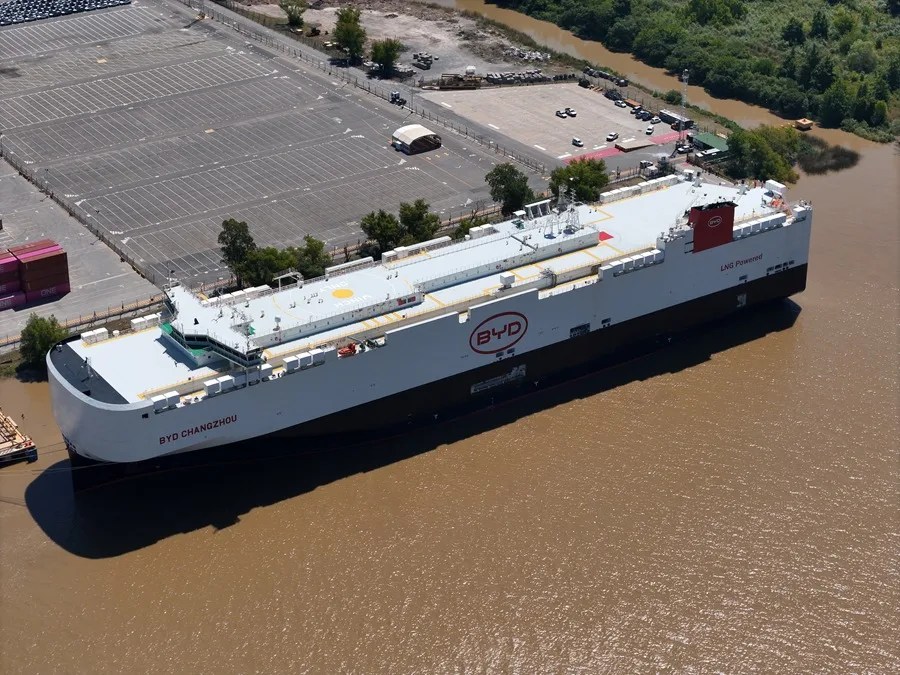
At Zárate, about 60 miles from Buenos Aires, the Chinese automaker BYD unloaded more than 5,000 electric cars from its own ship, the 656-foot BYD Changzhou. The cargo was equivalent in size to more than a tenth of the annual quota, although the number unloaded tells us little about how many received the waiver. Owning the ship gives BYD some control over when dealers get their cars. Once the ramp goes up, the dealers still have to find customers.
On the campaign trail, Milei had little good to say about Beijing. In office, he met President Xi Jinping at the 2024 G20 summit in Rio de Janeiro, and the two countries renewed their currency swap. China buys Argentine crops and sells machinery to Argentine businesses. Milei can keep his political ties to Washington and still have good reason to pick up the phone to Beijing. Even a customer who chooses the American badge in La Boca is buying the work of a Chinese factory.
The market those factories are chasing has changed quickly. Hybrids and electrics accounted for 4.6% of new vehicles sold in all of 2025, according to Argentina’s auto dealers association. In the first nine months of 2026, their share reached 16.1%, about one in six. A comparison covering the same months in both years is even more striking. Argentines registered 66,265 new hybrids and electrics from January through September 2026, nearly four times the tally a year earlier.
Local reports around the BYD shipment put the number of hybrids and electrics on Argentine roads at about 40,000, under half a percent of the fleet. Nine months of new registrations alone have overtaken that estimate. The same 66,265 registrations cover a wider market than the tariff waiver. Dealers count cars built in Argentina as well as imports, whatever duty they paid.
Where the Car Spends the Night
The dealers’ figures put conventional hybrids and fully electric cars in the same column. For a driver who parks on the street, the distinction matters. The hybrid can go back to the same gasoline pump the family has used for years. The Tesla needs a plug. Someone with a garage can consider charging overnight. Someone on the fourth floor with no assigned parking space needs to know where to leave the car and how to get home afterward.
Finding a Tesla to look at will be straightforward around Buenos Aires. Its first displays are planned for Unicenter and Alcorta Shopping. A permanent city showroom is to follow, along with a delivery and service center and corporate offices at Munro Center on the outskirts of the capital. A buyer in Greater Buenos Aires can see where the company intends to hand over the keys. A buyer in Mendoza might reasonably ask where to take a car that needs a repair.
Tesla has a potential partner whose roadside signs many Argentines recognize from childhood trips to the coast. In June, it signed a letter of intent with YPF, the state-controlled oil company, to explore fast charging and energy storage. A network at familiar stops could make a longer drive easier to plan for someone accustomed to pulling in for gasoline. Drivers are still waiting for sites and opening dates. The family taking delivery of a Model 3 in March or April will want something they can put on a map before leaving Buenos Aires. Which exit has a working charger on the way home?