Brazil’s Thirty-Year-Old Electronic Voting System Faces Distrust as Presidential Race Tightens
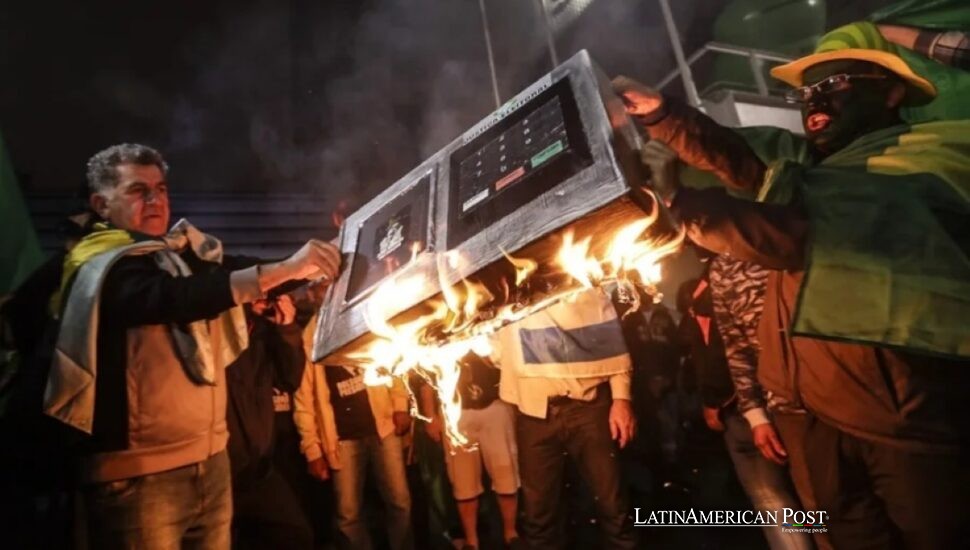
Thirty years after Brazil introduced electronic voting, its inventors remember paper fraud, unfamiliar keyboards, and voters eager to experiment. Now, a presidential poll puts Lula and Flávio Bolsonaro close together, renewing questions about what machines can secure and cannot settle.
When Fraud Had Nicknames
The ballot box could arrive pregnant. That was the nickname for a container already stuffed with votes before Brazilians had cast theirs. Another scheme, the “little ant,” paid voters to slip previously completed ballots inside. Dishonest counting had its own vocabulary, too. The names sounded almost playful. The practices decided whose choices survived the count.
These were not all the same offense. Paying someone to deliver a completed ballot manipulated voting itself; altering a tally manipulated the record afterward. The engineers were confronting several vulnerabilities, not merely slow arithmetic.
Giuseppe Janino remembers the world that Brazil’s electronic voting machine was built to replace. The mathematician, formerly the Superior Electoral Court’s information technology secretary, was one of five researchers behind the device. “Ever since the little machine was born, it has had opponents,” he told EFE.
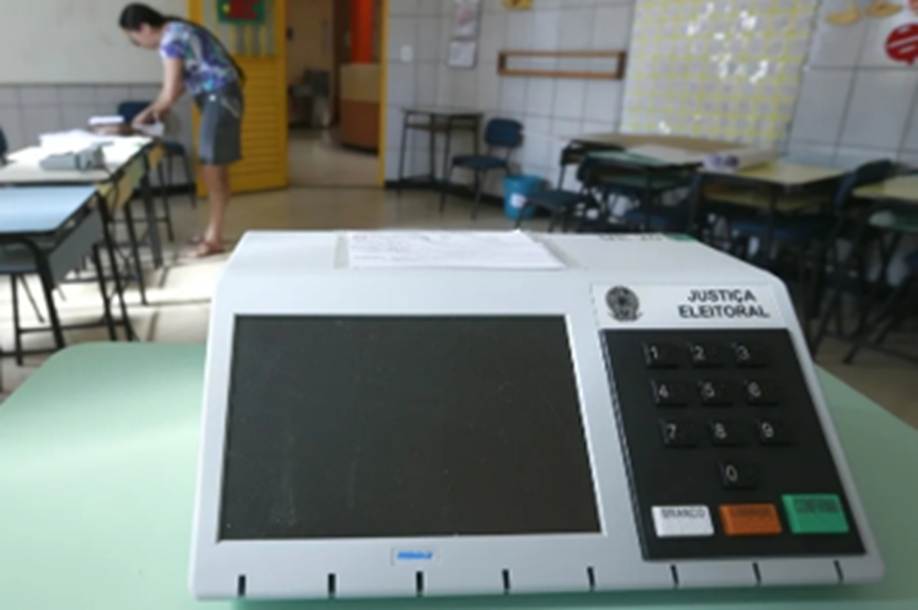
Partially annulled elections in Rio de Janeiro in 1994 helped drive the project. Its requirements were practical rather than glamorous: no internet or other network connection, an independent battery, durability, portability and controls understandable to people who had never touched a computer.
EFE’s reporting places illiteracy at roughly 15% during that period. A telephone-style keypad and candidate photographs addressed a specific obstacle: making a private electoral choice without writing a candidate’s name or relying on someone else’s interpretation. Accessibility was part of the engineering problem, not an accessory added afterward.
Janino took demonstrations onto television and into markets, squares and bus terminals. He remembers curiosity doing some of the work. People wanted to press the buttons. Explaining the system required leaving the laboratory.
The electoral court’s historical figures show electronic voting reaching about 32% of voters in 1996, almost 58% in 1998, and everyone in 2000. That four-year expansion mattered: this was not an overnight national experiment. Machines already served the 1998 presidential contest; 2002 was the first presidential election conducted entirely electronically.
The final expansion brought the remaining 42% of the electorate into the system. Standardizing equipment therefore required reaching far beyond the cities that hosted its debut. Those figures measure deployment, not proof of security.
The Numbers Before October
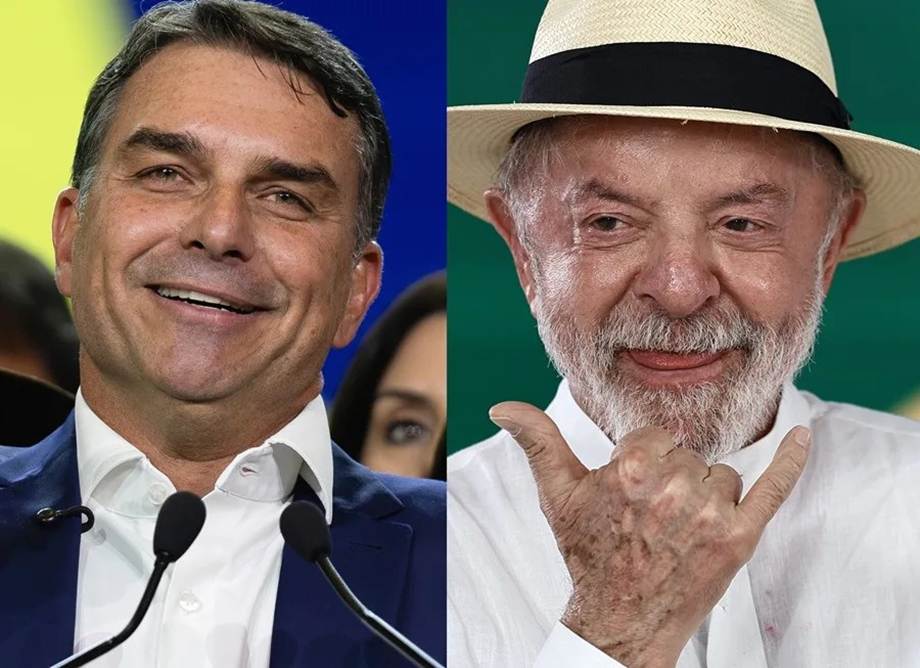
Three decades later, a Quaest survey released September 21 places President Luiz Inácio Lula da Silva at 37% for the October 4 first round, against Senator Flávio Bolsonaro’s 33%. The poll interviewed 2,004 voters between September 17 and 20 and reported a margin of error of two percentage points.
The four-point gap is a measured difference, not an election result. Reports describing a “technical tie” do not mean the candidates received identical support. Nor do small weekly movements establish a durable shift: Lula rose one point from the previous survey and Bolsonaro two.
Augusto Cury, a psychologist and self-help author, registered 6%, while former Goiás governor Ronaldo Caiado had 4%. Another 8% were undecided, and 7% indicated no candidate choice. Those last two groups total 15%, but they are not interchangeable: uncertainty, abstention, and a blank ballot describe different decisions.
In the survey’s hypothetical runoff, Bolsonaro registered 42% and Lula 41%. That one-point difference falls within the stated margin of error. It records responses to a different question, not votes automatically transferred from eliminated candidates.
The denominator matters, too. Brazil’s first-round threshold is more than half of valid votes, excluding blank and invalid ballots, not half of everyone interviewed. A runoff is scheduled for October 25 if required. Polling uncertainty concerns estimated preferences; counting integrity concerns actual ballots. Confusing the two can turn ordinary differences between a survey and a result into suspicions the numbers alone cannot support.
The Work Beyond the Keypad
Distrust has nevertheless returned. EFE recounts how former President Jair Bolsonaro repeatedly challenged electronic voting without presenting evidence, including before foreign ambassadors in an episode central to his 2023 electoral disqualification. His son Flávio later linked the machines’ manufacture to Venezuela’s government, then corrected himself after electoral authorities rejected the claim.
Janino describes a change in the resistance he encountered: early unfamiliarity with computers gave way to politically amplified doubts. That is his account of the system’s reception, not proof that every question about voting technology is illegitimate.
Antônio Ésio Salgado, an engineer at Brazil’s National Institute for Space Research and another of the machine’s developers, still helps evaluate public security tests. Since 2009, invited specialists have tried to expose weaknesses in the equipment and software. He told EFE the aim includes finding and correcting possible flaws.
That distinction matters. Testing is not a declaration that a device can never fail. An offline machine limits network exposure, but software, preparation, custody and auditing still require people. Replacing handwritten ballots changes where scrutiny belongs; it does not make scrutiny unnecessary.
“Imagine if electronic voting did not exist,” Salgado told EFE, asking how manual counting would fare amid today’s polarization. For him, the comparison remains concrete: the machine he helped develop against the paper system it replaced.
Janino remembers the curiosity at those early demonstrations, the people eager to try the buttons. They were learning something unfamiliar, face to face. Thirty years later, the machine records a choice. Explaining its safeguards remains very human work.
Also Read: The Malvinas War Ended, but Britain and Argentina Still Battle Over Tomorrow