Latin America Faces Measles Comeback as Vaccination Gaps Turn Deadly
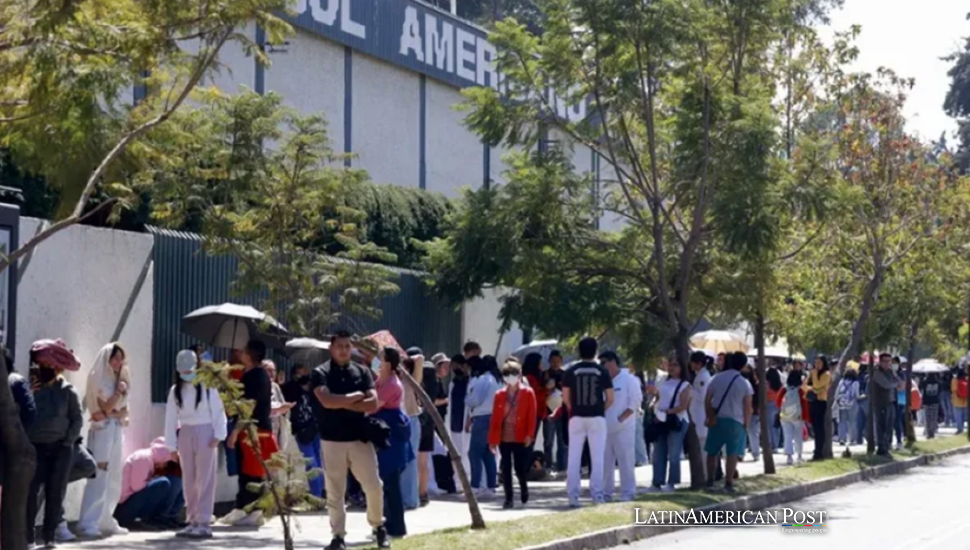
Measles cases across the Americas have tripled in 2026, exposing how quickly a preventable disease can exploit missed vaccines, crowded travel, and unequal health access. Latin America now faces an old virus returning through the cracks of modern public systems.
An Old Virus Finds New Openings
The needle is small. The failure behind it is continental.
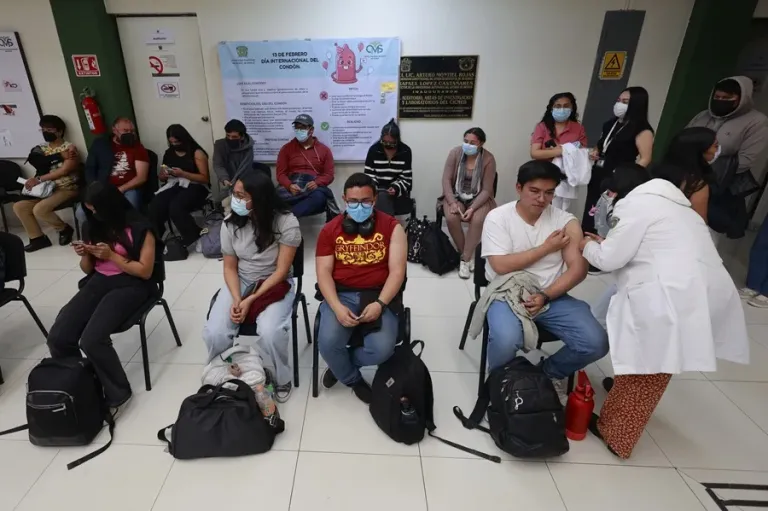
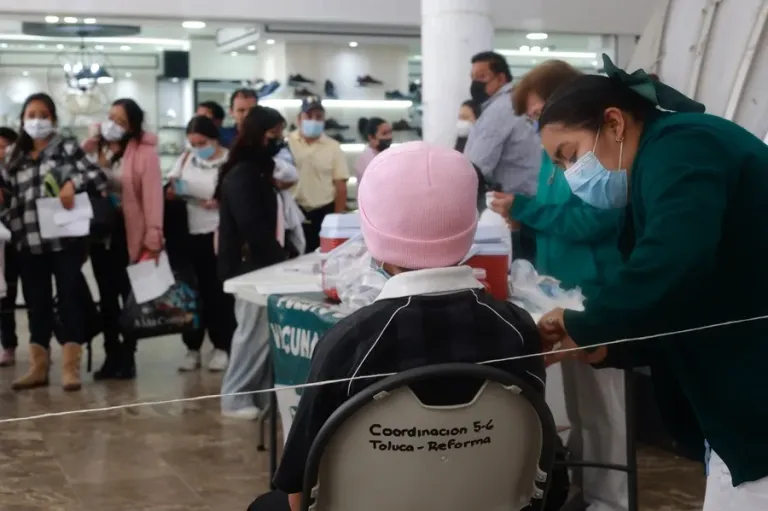
In San Martín de las Flores, in the Mexican state of Jalisco, health workers were vaccinating residents this week as the Pan American Health Organization issued an epidemiological alert for the Americas. The warning carried the weight of a number that should be impossible in an era with an effective vaccine: 47,500 confirmed measles cases in 16 countries so far this year.
Forty-four people have died.
The 2026 case total is already more than three times the 15,000 infections reported during all of 2025. In raw terms, the region has added 32,500 cases beyond last year’s total. Deaths have risen from 32 to 44, a 37.5 percent increase, even before the year is over.
The disease has spread to only one more country than in 2025, but infections have exploded. This is not simply a virus appearing in many new places. It is finding deep pockets of vulnerability where transmission is already active.
PAHO classified the public health risk as very high and described the current total as the largest measles burden in the Americas in more than two decades. International travel and mass gatherings are carrying cases into new areas, while communities with limited health access face the greatest consequences.
Measles spreads through the air when an infected person coughs. It can begin with high fever, cough, red eyes and a rash, then progress to pneumonia, brain inflammation, blindness or death.
None of this is mysterious. That is what makes the outbreak so unsettling.
Four Countries Carry Nearly the Entire Burden
The regional map is sharply concentrated. Guatemala, Mexico, the United States and Peru account for 95 percent of confirmed cases, or roughly 45,000 infections. The other 12 affected countries together account for only about 2,500.
Guatemala alone has reported more than 30,000 cases. Mexico has recorded 12,538 infections and 18 deaths, with significant transmission in Jalisco and Mexico City. Together, those two Latin American countries represent close to nine of every ten cases in the hemisphere.
This concentration should make the outbreak easier to target. It also shows how national averages can conceal local collapse. A country may report respectable vaccination coverage while particular municipalities, border zones, Indigenous communities, migrant corridors or poor urban districts remain far below the level needed to stop transmission.
PAHO is urging governments to reach at least 95 percent coverage with two vaccine doses. That threshold is not ceremonial. Measles is among the world’s most contagious diseases, so small gaps do not remain small. One unvaccinated cluster can become a chain stretching across schools, buses, airports and family gatherings.
Latin America is capable of organizing ambitious vaccination drives, yet access still depends on geography, income and state presence. A family in a capital city may find a clinic within minutes. Another in a rural district may need transportation, time away from work and confidence that doses will be available.
That is where a preventable disease becomes a political diagnosis.
Vaccination fails when governments treat it as an occasional campaign rather than permanent infrastructure. Refrigeration, staffing, records, school outreach and public communication must work together. A vial in a warehouse does not protect a child. Neither does a national percentage that overlooks neighborhoods where coverage has fallen.
The Real Emergency Is Lost Protection
The outbreak’s most important fact is also the simplest: vaccination works.
That makes every measles death different from a death caused by a disease medicine cannot yet stop. These fatalities occur in the shadow of an available defense. The failure is not merely that the virus returned. It is that protection did not reach everyone before it did.
Governments now face two tasks. They must suppress active outbreaks through rapid detection, targeted vaccination and careful monitoring of travelers. They must also rebuild routine coverage so emergency campaigns do not become the region’s permanent method of catching up.
The second task is harder. Emergency brigades create visible action. Routine vaccination is quieter, happening in clinics, schools and community centers long before cameras arrive. Its success is measured by the absence of drama.
Public trust matters, but access cannot be reduced to persuasion. Telling parents to vaccinate means little when clinics are distant, schedules conflict with work, records are incomplete or health workers are overwhelmed. Misinformation requires direct answers. Structural absence requires money, personnel and accountability.
The outbreak’s geography also demands regional cooperation. A virus crossing borders through air travel or migration cannot be controlled by blaming travelers. Screening, surveillance and shared information can slow transmission. Stigma drives sick people away from care and makes outbreaks harder to see.
Latin America’s vulnerability is not a lack of medical knowledge. It is that public systems remain uneven, strong enough to announce national goals but often too fragmented to guarantee them street by street.
The numbers now make that failure visible. More than 47,000 infections. Forty-four deaths. Sixteen countries. Four carrying nearly the entire burden.
Measles returned not because the hemisphere forgot how to prevent it, but because prevention became inconsistent. The virus found the missed second dose, the distant clinic, the unrecorded child and the community beyond routine reach.
The vaccine has not failed. The promise to deliver it has.
Also Read: Colombia Watches Disarmed Fighters Test a Hardline President’s Peace Promise