Puerto Rico Rations Every Last Drop as Historic Drought Deepens
More than half a million Puerto Rico residents are rationing water after the island’s driest July on record pushed Carraízo Reservoir toward crisis, exposing fragile infrastructure, climate vulnerability, and the unequal burden of scarcity across homes, schools, and businesses daily.
When the Reservoir Drops, Daily Life Shrinks
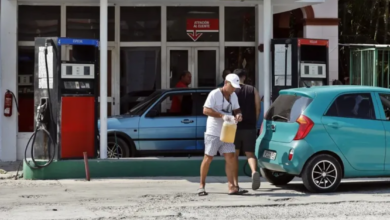
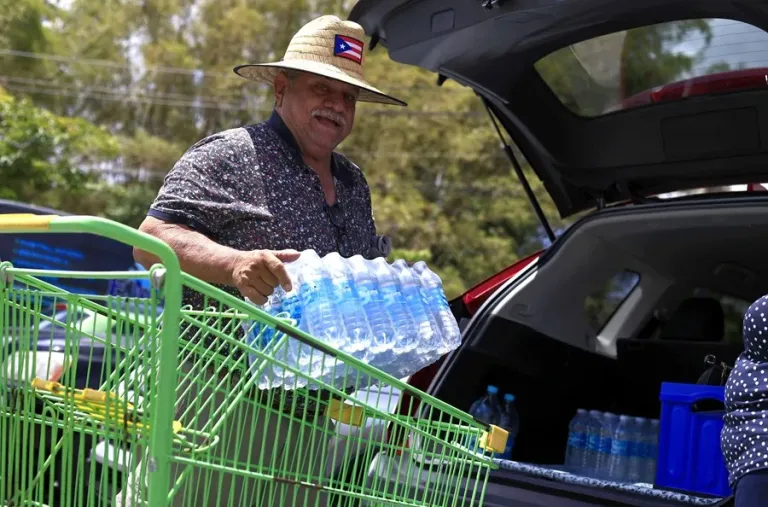
Elena Cabrera left a supermarket in Puerto Rico’s metropolitan area carrying bottled water for two elderly neighbors. She had stored water before rationing began. Still, the bags in her hands looked less like preparation than surrender to a routine nobody wanted.
“I have a feeling this is going to last a long time,” Cabrera told EFE.
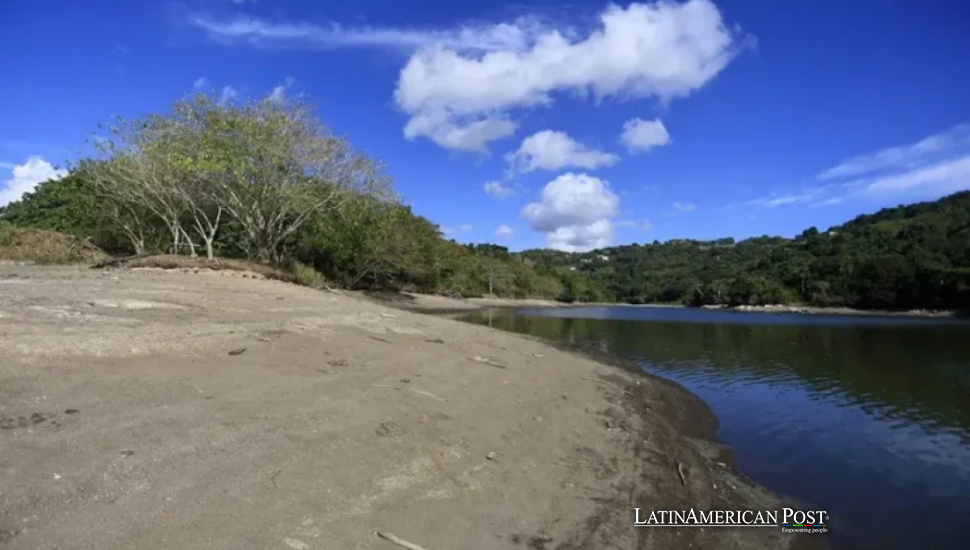
More than 500,000 people now live according to the level of Carraízo Reservoir, the main water source for at least seven municipalities. The reservoir in Trujillo Alto, beside San Juan, fell below 38 meters and entered the operational adjustment zone. In ordinary homes, that technical phrase means faucets stop running for long stretches.
The Puerto Rico Aqueduct and Sewer Authority divided 183,000 residential and commercial customers across San Juan, Trujillo Alto, Carolina, Canóvanas, Loíza, Gurabo, and Juncos into two service zones. Water is being cut on rotating 48-hour schedules. Residents fill any clean container that can hold part of tomorrow.
The island is enduring its first major drought since 2015. Conditions cover about 80 percent of Puerto Rico, with extreme drought across parts of the south-central and western regions. July delivered only 0.54 inches of rain, just 9 percent of normal, making it the driest July since records began in 1899.
That is a rainfall deficit of 91 percent. It is also the difference between inconvenience and a public emergency.
Thirty-Five Oases Cannot Replace a Reliable System
The government has placed 35 water distribution points, called oases, across San Juan, Carolina, Trujillo Alto, Loíza, and Canóvanas. The name sounds generous. The reality is people waiting with bottles and calculating every flush, meal, shower, and medicine dose.
Even the rationing schedule has proved fragile. Residents in Zone 1 were supposed to regain service after their interruption, but a breakdown from the previous week delayed restoration while utility tanks refilled. A schedule intended to make scarcity predictable instead became another source of uncertainty.
Cabrera blamed current and past governments, along with Aqueduct and Sewer Authority executives, for what she described to EFE as years of poor decisions. Her frustration reaches beyond the sky. Drought may empty a reservoir, but governance determines how sharply that shortage enters a kitchen.
Puerto Rico’s water crisis is both climatic and institutional. A water system’s real test comes when rainfall collapses, equipment fails, and half a million people need clear information at once.
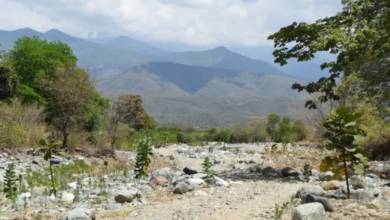
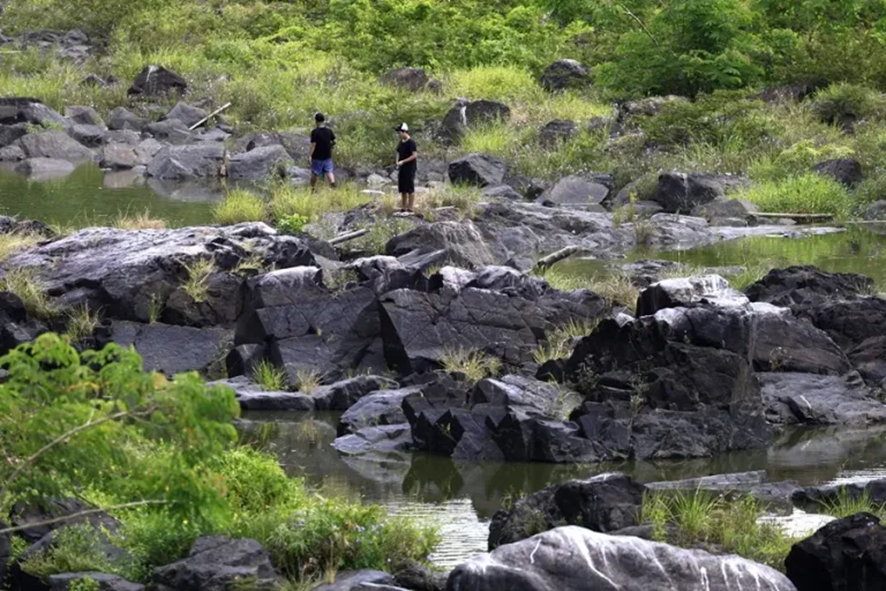
At Carraízo, the landscape offers its own evidence. Dead fish have appeared along the exposed shore. Rocks normally hidden beneath the Río Grande de Loíza now stretch hundreds of meters toward the reservoir gates. Yadalis González Meléndez stood fishing among them, in a place where water once covered the ground.
She told EFE that the falling reservoir worried her and that fewer fish remained than usual. Low water does not merely reduce household supply. It alters habitat and turns a drinking-water emergency into a damaged living system.
The rationing also exposes who can absorb disruption. Families with cars can carry more bottled water. Households with storage tanks can buffer an outage. Older adults, people with disabilities, and residents without money for repeated supermarket purchases face a harsher arithmetic. Scarcity is shared, but its burdens are not.
One Day of Water, Three Days Without
The current plan is only Phase 1. If conditions worsen, Phase 2 would provide water for one day, followed by three days without service. That would transform rationing from a difficult adjustment into the organizing principle of daily life.
Carraízo is not the only warning. Cidra Reservoir has also entered operational adjustments, while five additional reservoirs remain under observation. The government, which declared a water-use emergency in late July, has warned that rationing may spread to more municipalities.
Schools are already adapting. On rationing days, they will operate reduced schedules, with virtual classes possible if conditions deteriorate. Classrooms may empty because toilets, cafeterias, and cleaning systems cannot function normally.
Businesses face the same pressure. Restaurants need water to cook and sanitize. Clinics require it for basic care. Laundries, beauty salons, construction crews, and small food sellers cannot simply shift online. Every additional day without service becomes lost wages, reduced hours, and higher operating costs.
The drought is unfolding during El Niño, which is associated with warmer temperatures and changing rainfall patterns. The World Meteorological Organization expects the phenomenon to intensify between August and October. That forecast gives residents little reason for optimism and officials little room for delay.
Puerto Rico’s immediate task is keeping water moving safely and predictably. Its larger obligation is to treat this drought as a stress test, not a temporary misfortune. Reservoir management, emergency storage, maintenance, leak reduction, public communication, and protection for vulnerable households must improve before the next dry season arrives.
For now, people listen for the return of pressure in the pipes.
Cabrera has water stored. Her elderly neighbors have bottles. Across the metropolitan area, families wait through the hours assigned to them by a shrinking reservoir and a public system struggling to keep its promises.
The crisis began with missing rain. What happens next will reveal whether Puerto Rico has also been missing preparation.
Also Read: South American Blue Macaws Find Unlikely Refuge Beneath Belgium’s Glass