Panama Counts Sexual Abuse Reports, but Children Need More Than Case Numbers
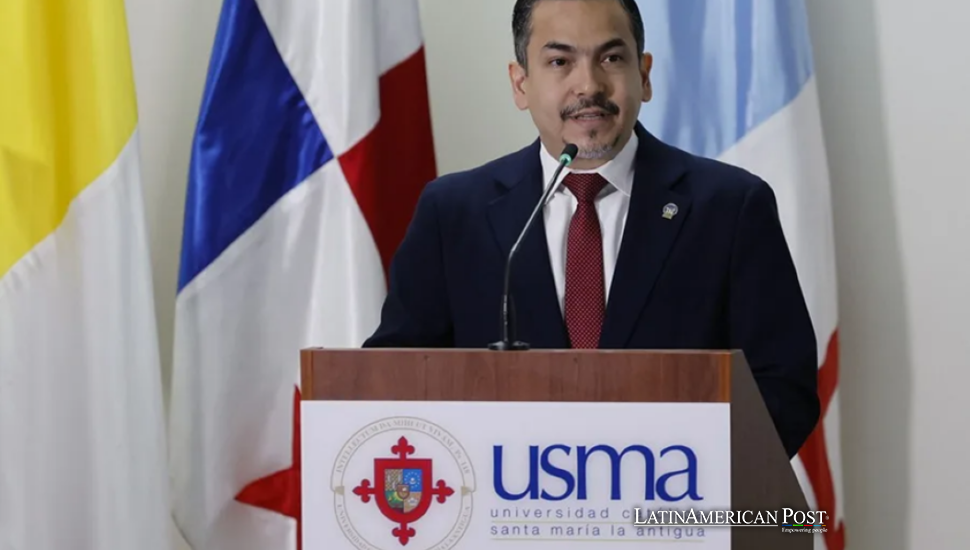
Panama recorded 4,599 sexual offense complaints in eight months, with minors involved in 78% of cases. Behind rising reports and a church apology, advocates describe gaps in prevention and psychological support that leave children facing harm long before authorities intervene.
The Reports Behind the Apology
At a Catholic Church event in Panama, two records of alleged abuse came into view. One concerned 24 complaints the Archdiocese of Panama received over more than two decades. The other contained 4,599 sexual offense complaints filed with national prosecutors in just eight months.
They were not comparable totals. Their common limitation was what neither could capture: the experiences of people who had never reported what happened.
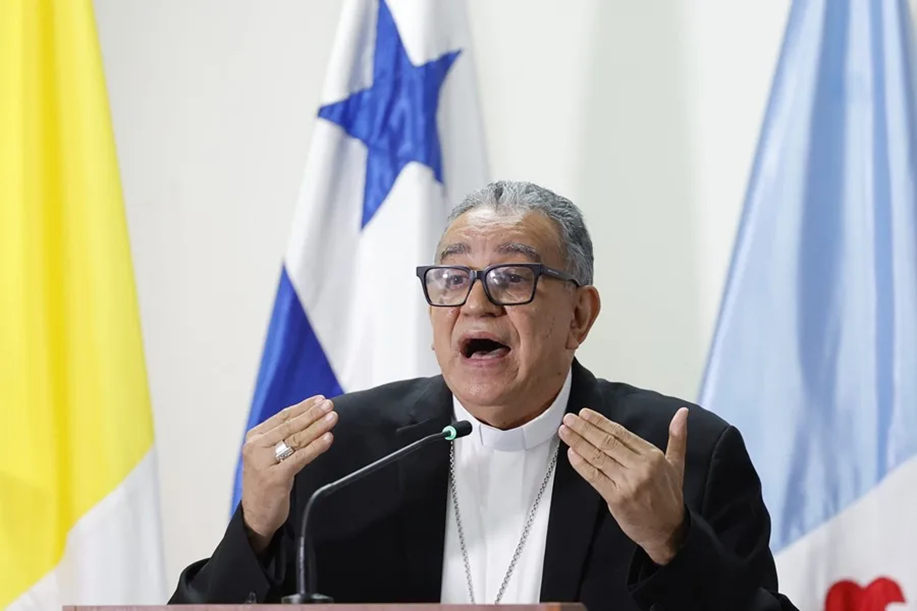
Metropolitan Archbishop José Domingo Ulloa asked forgiveness over complaints involving minors and vulnerable people received between 2002 and 2025. The Rev. Jordi Pujol, coordinator of the independent commission that examined them, said its 24 cases were not the whole story.
“Fear, shame, dependence and the fear of not being believed mean many cases are never counted,” he said in remarks reported by EFE.
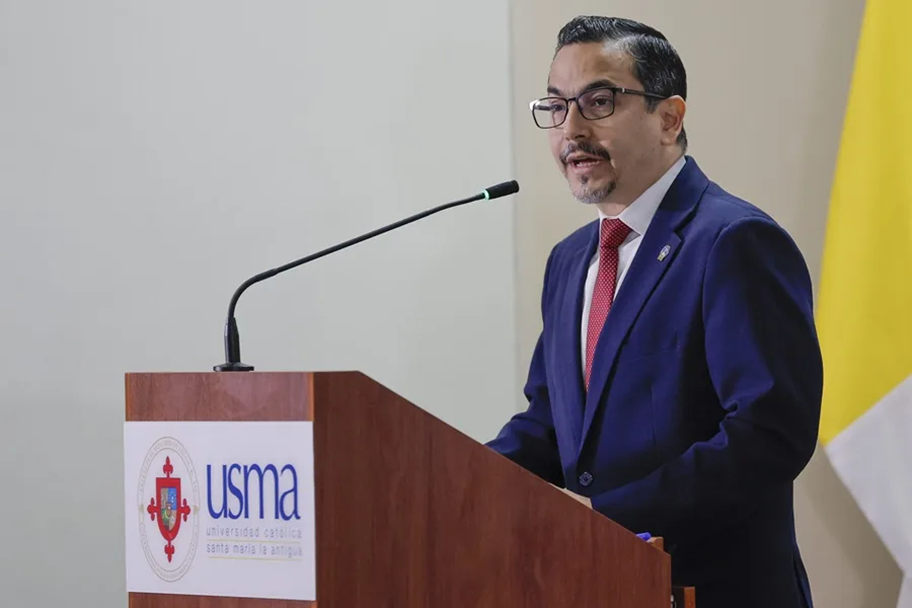
Prosecutor General Luis Carlos Gómez presented the national figures at the same event. Of the complaints registered between January and August 2026, he said, 78% involved minors. Applied to the total, that rounded share suggests roughly 3,600 complaints involving children and adolescents, not an exact count of individual victims.
The published prosecution statistics do not provide that overall age breakdown. Gómez’s disclosure therefore made visible something the headline total alone could not: almost four in five reported cases concerned someone under 18.
That concentration gives the national figures a different meaning. The response cannot be designed only around adults who can leave a dangerous situation, seek advice independently, or approach authorities without another person’s help.
What the Increase Reveals
The 4,599 complaints represent an increase of 527 from the 4,072 registered during the same eight months of 2025. The rise is approximately 13%. For investigators, it means hundreds of additional reports to assess, regardless of what caused more people to come forward.
Gómez cautioned that the increase did not necessarily represent an equivalent rise in offending. In comments reported by EFE, he suggested greater willingness to report, or greater confidence in institutions, could also contribute.
That is a possible explanation, not a finding established by the totals. An increase in reporting can coexist with continuing abuse. A quieter complaints register, meanwhile, would not by itself demonstrate that children were safer.
Gómez identified adolescents aged 15 to 17 as the largest reported age group, citing 42%. The account does not clarify whether that percentage refers to all complaints or those involving minors, so converting it into a precise number would risk overstating what is known.
The church’s 24 complaints present another counting problem. They span 2002 through 2025, concern one archdiocese, and include vulnerable people as well as children. They cannot be added to the national eight-month total or treated as the church’s share of current offenses.
Pujol’s warning addresses the people outside both records. Reporting requires more than an office willing to take a statement. Someone has to feel able to speak without losing the protection, housing, or relationships they depend on.
Protection Before a Case Number
For Suky Yard, a lawyer with Fundación Vida Mujer, the figures were painfully unsurprising. Her organization has long raised concerns about sexual violence against minors. What troubles her, she told EFE, is the disconnect between preventive measures and the institutions responsible for carrying them out.
She said she knew of no coordinated local program taking prevention into neighborhoods and schools. That is her assessment of the response, not a verified inventory of every service in Panama.
Her concern is what happens before a family reaches a prosecutor. Prevention in a classroom or community can address the sexualization of girls and attitudes inside households, where some abuse takes place, Yard said.
Prosecution statistics recorded 177 complaints of “doubly aggravated rape,” a category the report associates with perpetrators in the family circle. Where an alleged abuser is a relative, speaking up may mean challenging someone within the child’s own support network. Pujol’s warning about dependence becomes particularly concrete.
A 2025 UNICEF report cited by EFE counted more than 14,000 adolescent mothers in Panama and placed its adolescent pregnancy rate at twice that of Costa Rica and Uruguay. Those figures do not establish how many pregnancies resulted from sexual violence.
UNICEF identifies girls under 18 as the large majority of reported sexual violence victims. That concentration matters when deciding whom prevention campaigns should reach. It does not make boys invisible, or mean a child’s access to help should depend on whether a family is willing to speak.
Where that connection exists, however, an investigation addresses only part of the aftermath. Pregnancy and parenting add responsibilities to the need for protection and continued schooling. Yard also criticized what she described as the absence of a national psychological support program for victims.
Her warning need not mean a child’s future is irretrievably lost. It concerns whether support is available after disclosure, when public attention moves elsewhere.
A complaint marks the moment an institution learns about alleged harm. Prevention concerns the time before it; sustained care concerns what follows. Panama’s new figures make the first moment more visible. Yard’s question is what happens on either side.
Also Read: Guyana Awaits Essequibo Verdict as Latin America Weighs Borders, Oil and Peace