Pereira and Cali Lose Sleep as Earthquake Forces Colombia into Grim Census of Ruins
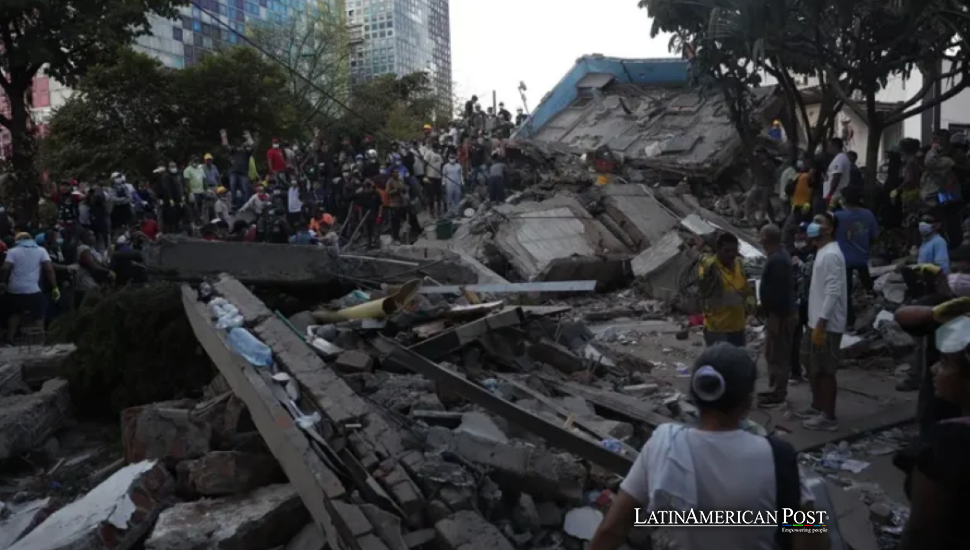
A magnitude 7.4 earthquake turned Colombia’s western cities into rescue grounds, forcing curfews in Pereira and Cali as families guarded ruins, volunteers searched through darkness, and the suspension of a beloved Pacific festival revealed how disaster redraws public life overnight.
Curfews Above, Rescue Below
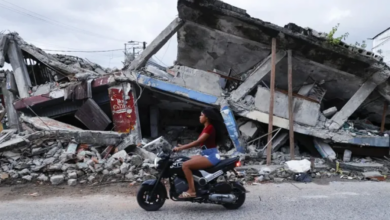
At 7:34 on Monday morning, the ground shifted beneath western Colombia, causing two cities to be rearranged. Apartments became concrete heaps. Hospitals overflowed. Commuter streets became rescue corridors where families guarded everything they still owned.
The earthquake, centered near San José del Palmar in Chocó at a depth of 103 kilometers, struck much of the country. By Tuesday morning, the reported toll had risen to at least 169 deaths, including 85 in Cali, while Pereira counted roughly 60. The changing total showed how slowly catastrophe becomes legible, one recovered body at a time.
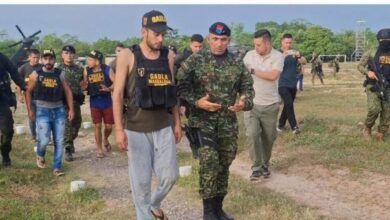
Cali Mayor Alejandro Eder imposed a curfew from 8 p.m. Monday until 6 a.m. Tuesday and ordered a military deployment after warnings of looting. Police and soldiers were reinforced especially in communes 17 and 19. “These first 48 hours are critical,” Eder said, according to EFE, describing the narrowing window for pulling survivors from the wreckage.
Pereira Mayor Mauricio Salazar declared a separate curfew beginning at 6 p.m. in the city center, Comuna Universidad and the Cuba subcenter. His voice broke as he described close to 55 deaths, 18 buildings completely collapsed and 60 partially damaged. He sounded like a citizen speaking while his city was still falling apart.
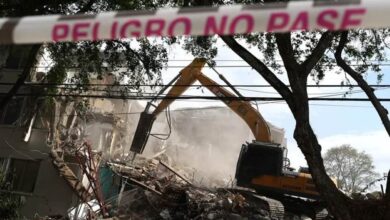
Yet the curfews exposed the night’s central contradiction. Authorities needed empty roads for ambulances and rescue units. They also feared theft. But hundreds of pereiranos remained outside, not to defy the emergency, but to join it. Around Parque La Libertad, residents worked beside firefighters and machinery, clearing a destroyed four-story building and listening for life beneath cement and brick.
The state announced order from above. Rescue spread horizontally through the streets.
A City Guards What Remains
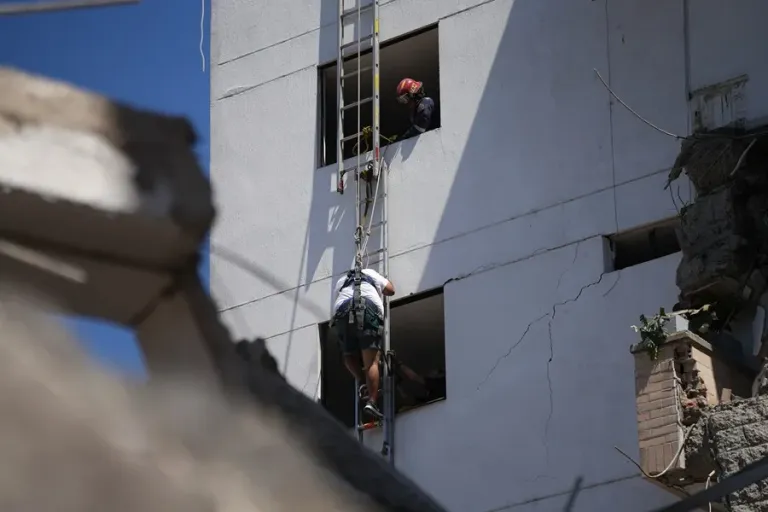
In Mejía Robledo, the earthquake destroyed a family home and automotive workshop. An unnamed woman told EFE that the property belonged to her 91-year-old father. She stayed outside, guarding the ruins and waiting for rescuers to return for Don José, an elderly tenant whom neighbors had heard moaning.
Nearby, Patricia Gutiérrez sat in the street with the blunt vocabulary disasters impose. “I lost everything,” she told EFE. She had lived there nine years. She and two others escaped, but her home did not. Beneath the rubble were the household goods through which a life becomes visible. Her fear was about losing, a second time, the evidence that her life before Monday had existed.
That scene explains why security and rescue could not be separated. A curfew may protect commerce, but it can leave residents choosing between obedience and protecting what remains. In Pereira, citizenship suddenly meant carrying rubble, guarding an absent doorway, waiting for news, and refusing to abandon a neighbor.
The earthquake also exposed systems that are only noticed when they fail. Large parts of Pereira lost electricity and gas. Mobile and internet service returned unevenly. Damaged bridges and debris made the ordeal worse. In Cali, sirens replaced sleep as families stayed outdoors, fearing aftershocks.
At Ciudad Capri, relatives waited beside a collapsed apartment complex. Near the Cañaveralejo bullring, rescuers searched while people asked about children, grandparents, and other relatives. Damage extended from Pampalinda and Nueva Tequendama to hillside communities such as Alto Nápoles and Los Chorros, where difficult access can turn vulnerability into isolation.
Thousands spent the night in temporary shelters at the Jairo Varela plaza, the National Sports School, the hockey rink and the baseball diamond. Spaces built for culture, sport and leisure became emergency architecture when private shelters failed.
When the Pacific Stage Goes Dark
The suspension of the 30th Petronio Álvarez Pacific Music Festival carried meaning beyond a canceled event. Scheduled for August 12 through 17, it was expected to bring together artists, tradition bearers, suppliers, and audiences tied to Colombia’s Pacific world. Petronio asserts that the country’s Black Pacific cultures belong at the center of national life.
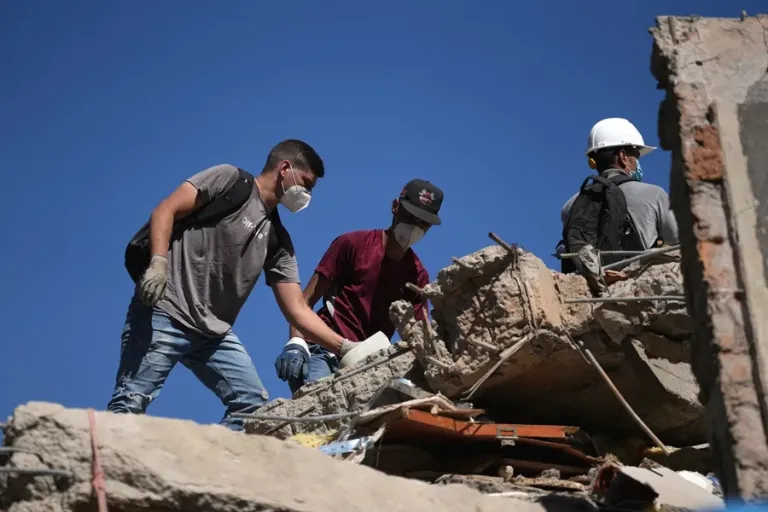
Its suspension was necessary, but symbolically heavy. A city preparing to receive marimbas, ancestral songs, food traditions and visitors was instead receiving 60 rescuers from Bogotá and 32 members of the Armed Forces. Cultural logistics became disaster logistics as officials protected artists already in Cali.
Beyond Cali, the damage widened the tragedy’s political meaning. Dagua reported four deaths, 300 affected homes, 80 collapses and 28 landslides. With power and mobile service down, the municipal hospital moved care into a nearby park. Roldanillo counted more than 1,000 affected homes and two deaths. In El Cairo, officials said about 80 percent of houses collapsed. Damaged hospitals in El Águila and Argelia required field facilities.
Those figures also map unequal distance from power. Major cities attract cameras, specialized teams and reinforcements. Smaller municipalities can vanish behind blocked roads, interrupted signals and thin medical capacity. The quake struck them together, but they entered the national story at different speeds.
By daylight, Cali and Pereira had awakened to more than ruins. They faced decisions about what must be saved first: a trapped stranger, an elderly tenant, a hospital, a shop, a festival’s community, a town without electricity. Eder told residents, through EFE, that the test would be overcome together. The phrase risked sounding ceremonial, but the streets gave it substance. Colombia’s western cities spent the night afraid and exposed, yet refusing to leave one another alone.
Also Read: Latin America Faces Measles Comeback as Vaccination Gaps Turn Deadly