Peru Still Walks Beneath Shining Path’s Long and Violent Shadow
Two arrests in Huánuco have reopened Peru’s darkest insurgent history, revealing how Shining Path survives not as the army it once imagined, but through residual networks, unresolved crimes, rural abandonment, political fear, and a memory the republic never fully settled.
The War Returns Through a Court File
The names in the judicial file are reduced to initials: M. J. and A. A. The accusations carry the weight of a war that Peru has spent decades trying to place safely in the past.
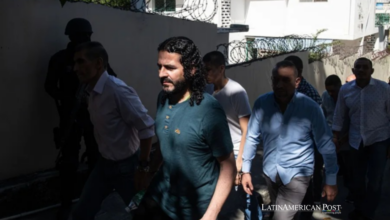
A Peruvian court ordered ten months of preventive detention while prosecutors investigate the two men’s alleged membership in Shining Path in Huánuco. EFE reported that the request came from the supraprovincial prosecutor’s office specializing in human rights and terrorism.
According to the investigation, M. J., allegedly known as Comrade Álvaro or Macario, served in a “political command” role and participated in violent actions between 1993 and 2011 that caused 17 deaths. A. A., identified as Comrade Andrés or Andresito, is accused of taking part in “selective annihilations” between 2004 and 2011.
Prosecutors also allege that the men confiscated a radio from the health post in Utao and helped organize marches and subversive propaganda in Pagshag, Igna, Quechualoma, Huarapa, Tambogan, and other settlements in Churubamba. Neither man has been convicted, and preventive detention is not a finding of guilt. Still, the timeline extends nearly two decades beyond the 1992 capture of founder Abimael Guzmán.
That is the first reason the organization has not entirely disappeared. Leadership was decapitated, military capacity was reduced, and the national insurgency was broken. Yet clandestine movements are built to survive arrests. They rely on aliases, compartmentalized cells, intimidation, and territory where the state appears irregularly.
The alleged seizure of a clinic radio sounds minor beside massacres and car bombs. In a remote settlement, it was not. A radio could connect residents to medical help or authorities. Taking it meant controlling communication. Propaganda marches, selective killings, and confiscations formed a system. Violence punished. Theater warned. Silence isolated.
Why the Movement Outlived Its Founder
Shining Path emerged in 1970 from a split within the Communist Party of Peru. Guzmán, a former philosophy professor in Ayacucho, fused Maoism, Stalinist discipline, and prolonged rural war into a doctrine of extraordinary cruelty.
The group began its armed campaign in 1980 near Ayacucho. It recruited among young intellectuals, Indigenous peasants, and poor urban communities while claiming to overturn Peru’s Spanish-speaking elite. That appeal drew strength from real exclusions. It also concealed an authoritarian project that treated dissenting villagers, union leaders, neighborhood organizers, and rival leftists as enemies.
This contradiction explains both Shining Path’s endurance and its defeat. Rural inequality gave it grievances to exploit. Terror eventually turned many communities against it. Shining Path did not empower peasants democratically. It demanded obedience and killed civilians who refused its authority.
The Truth and Reconciliation Commission estimated that nearly 70,000 people died during the internal armed conflict and attributed 54 percent, roughly 37,800 deaths, to Shining Path. Both insurgent and state violence devastated civilians, but the commission assigned the largest share to the guerrillas.
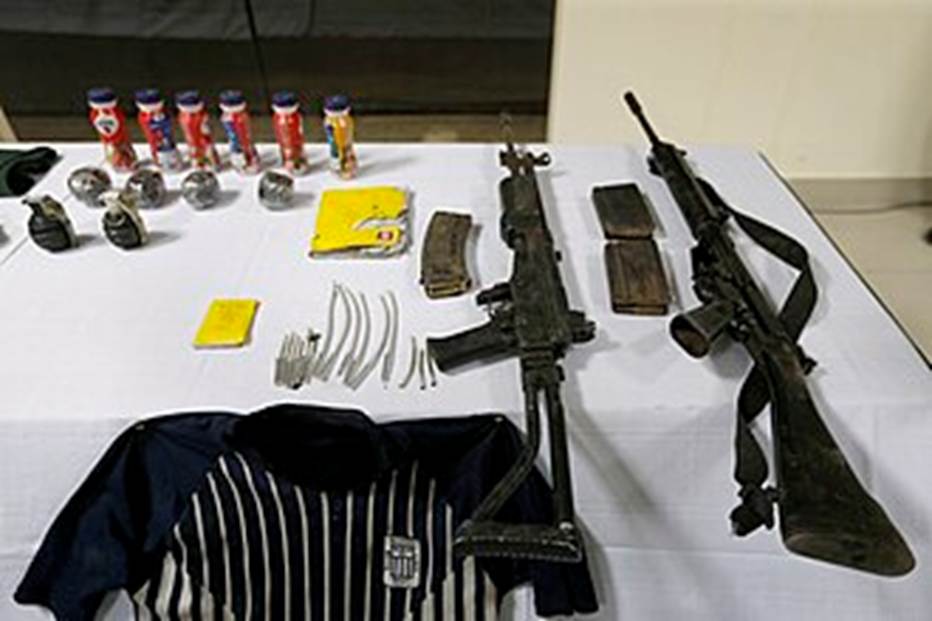
Its survival also had an economic base. The organization reportedly established cocaine-processing operations in the Huallaga Valley, linking armed politics to an illicit market capable of financing movement and protection. Once insurgency becomes entangled with illegal economies, ideology is no longer the only fuel. Control of routes, crops, and local taxation can sustain remnants after the revolutionary promise collapses.
Guzmán’s capture profoundly damaged the organization. The 1999 arrest of his successor, Oscar Ramírez Durand, known as Comrade Feliciano, further weakened it. But the Huánuco allegations suggest local actors may have continued operating for years. This does not mean Shining Path remains the nationwide force Peru feared in the 1980s. It means defeat was uneven. Lima saw a captured leader. Some rural districts may continue to live with aliases, threats, and unresolved graves.
Memory Remains Another Battlefield
Peru’s difficulty in confronting the Shining Path has never been solely military. It has also been legal, moral, and political.
Human rights defenders had to document state crimes while condemning a guerrilla force that rejected human rights as imperialist. Shining Path assassinated labor leaders and neighborhood activists, including María Elena Moyano. State agents, meanwhile, were implicated in disappearances, illegal detentions, torture, and massacres. Journalists and activists faced danger from both sides.
The murder of eight journalists in Uchuraccay in 1983 showed how lethal basic fact-finding had become. Information was withheld, denied, or shaped into propaganda. The guerrillas offered no credible accounting of their violence.
The creation of the National Human Rights Coordinator in 1985 was decisive. Its members separated themselves from Shining Path, documented insurgent atrocities, and still defended accused prisoners’ right to fair trials and humane treatment. Condemning terrorism does not erase due process. Demanding due process does not excuse terrorism.
The Huánuco case sits inside that hard-won framework. The deeper measure will be whether it produces evidence, protects witnesses, respects the defendants’ rights, and gives victims more than another headline.
Shining Path persists through alleged former operatives whose cases are only now reaching court. It persists where poverty, weak services, and illegal economies make coercive power easier to build. It persists in political language, where accusations of “apology for terrorism” can discredit critics. And it persists in families for whom the conflict never became history because a body was never recovered or a village never heard.
The organization is not what it was. That is why it is dangerous to describe it as either an omnipotent army or a vanished relic. Peru’s task is more exacting: prosecute surviving networks without reviving indiscriminate repression, preserve memory without turning it into partisan ammunition, and confront inequalities that armed dogma once converted into recruits and graves.
A clinic radio in Utao, seventeen alleged deaths, and names hidden behind initials now carry that burden. The Shining Path was militarily broken. Its shadow remains because Peru never received a clean ending.
Also Read: Pereira and Cali Lose Sleep as Earthquake Forces Colombia into Grim Census of Ruins