Mexico Guards Avocado Gold as Cartels Tax the Harvest Again
Mexico has ringed Michoacán’s avocado belt with troops, intelligence posts, and guarded inspection routes after a U.S. security alert briefly froze exports, exposing how deeply cartel extortion, American demand, and rural livelihoods now converge inside one famously profitable fruit trade.
A Fruit Protected Like Strategic Infrastructure
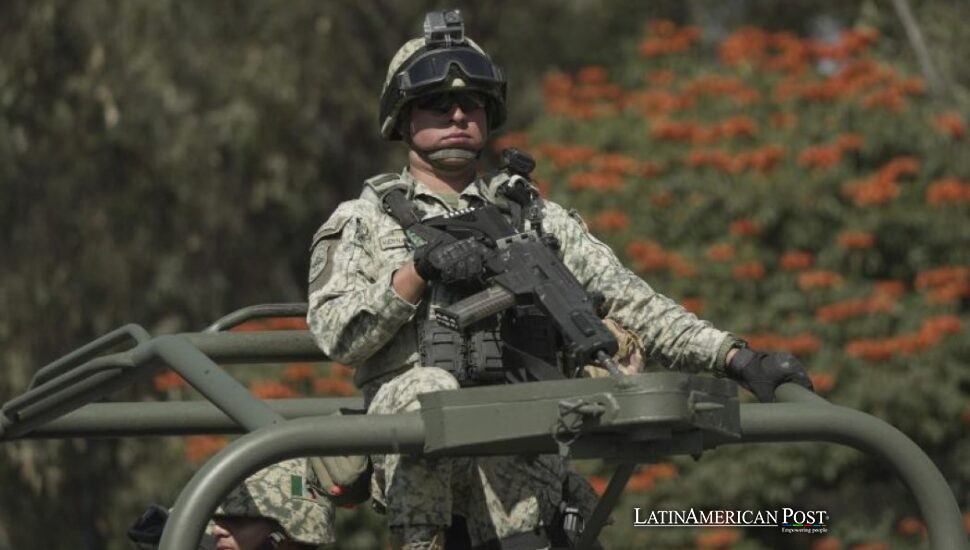
Across western Mexico, avocados are moving under a plan resembling the protection of strategic infrastructure. Soldiers guard packing plants. National Guard vehicles patrol mountain roads. Federal forces accompany sanitary personnel. In Uruapan, Michoacán’s avocado capital, intelligence is being coordinated under the 21st Military Zone.
Defense Secretary Ricardo Trevilla said the operation includes 46 bases. Seventeen will protect packing facilities in Tinguindín, Tocumbo, and Peribán. Another 29 will cover five avocado municipalities with roughly 870 agents. The National Guard is adding 228 personnel and 48 vehicles along key routes, while federal escorts protect five inspection posts. EFE reported the details from the government briefing.
It is an extraordinary footprint for a fruit. Yet the avocado stopped being merely agricultural long ago. It is an export machine, a pillar of employment, a target for criminal taxation, and an everyday food in a U.S. market built around dependable Mexican supply.
The crisis began Aug. 5, when the United States suspended agricultural personnel certifying Michoacán avocados after an alert involving U.S. interests. Mexican Security Secretary Omar García Harfuch later stressed that inspectors had not received a direct threat. The warning was broader and precautionary. Two days later, inspections began returning in selected production areas.
That distinction is important, but not comforting. No inspector had to be attacked for the economic machinery to stop. Because U.S. certification is mandatory, the possibility of danger can close the commercial gate before a truck reaches the border.
The Cartel Tax Beneath Every Shipment
Harfuch acknowledged that several criminal groups are extorting producers and said investigations are underway. The admission reaches beyond the familiar image of cartels trafficking drugs through remote territory. In Michoacán, organized crime has learned to take revenue from legal prosperity itself.
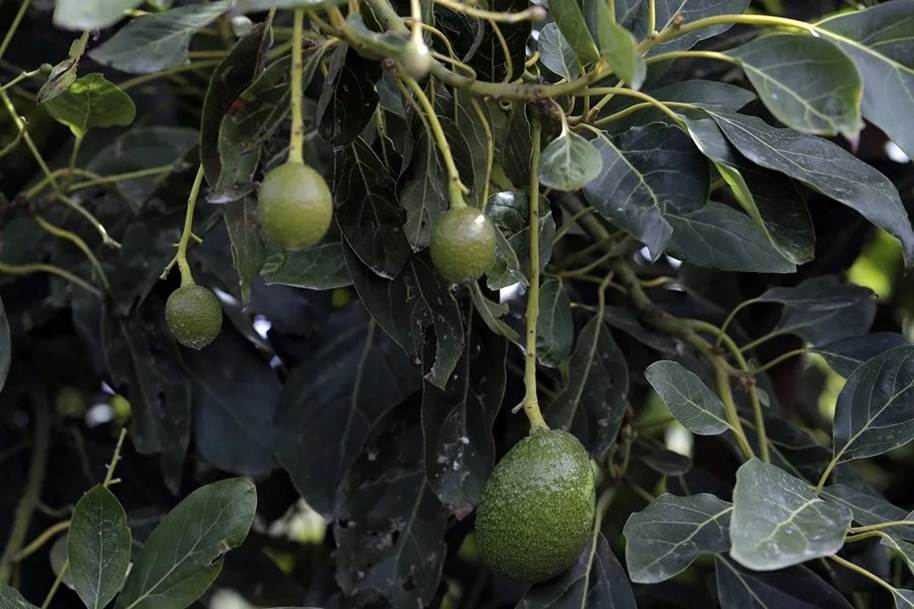
Avocados are especially vulnerable to that model. Orchards cannot be moved. Packing plants are fixed. Trucks follow recognizable routes. Harvests run on schedules. Each stage offers an armed group another place to demand a quota, intimidate a worker, seize a load, or punish resistance. This is an illegal tax system operating beside the state.
For a grower, driver, or packinghouse worker, the military presence still matters. A guarded highway may mean that a shipment is arriving. An escorted inspector may certify fruit that would otherwise spoil or lose value. A protected plant may reopen and restore a day’s wages.
Officials estimated that about 9,500 Defense and National Guard personnel were deployed across Michoacán, with close to 1,500 assigned specifically to the avocado sector. Mexico is not merely guarding farms. It is securing the points through which export revenue, jobs, and political credibility pass.
But troops cannot dismantle extortion by presence alone. They can hold a road or stand outside a plant. Without prosecutors and trusted civilian institutions, they cannot trace payments, protect witnesses, investigate compromised officials, or give producers a safe way to report demands. The hidden tax can survive through calls and intermediaries.
The economic exposure is enormous. Mexico exports more than 1 million metric tons of avocados annually, and 501,824 tons had already been exported during the first four months of 2026. Reuters reported that total exports could reach a record 1.31 million tons this year, with about 1.2 million headed to the United States. The U.S. market receives nearly 90 percent of Mexico’s avocado exports by volume.
The trade generated roughly $3.7 billion in U.S. sales during 2025 and supports about 200,000 jobs in Michoacán. That success creates leverage for everyone touching the chain, including criminal groups. When inspections stop, the risk travels from an embassy alert to orchards, payrolls, trucking yards, packing lines, restaurants, and supermarkets.
A Fast Reopening, Not a Cure
President Claudia Sheinbaum moved quickly. Her government had already scheduled a meeting with producers after reports of rising extortion in parts of Michoacán. Once the U.S. alert arrived, she ordered stronger surveillance and accelerated talks intended to restore confidence.
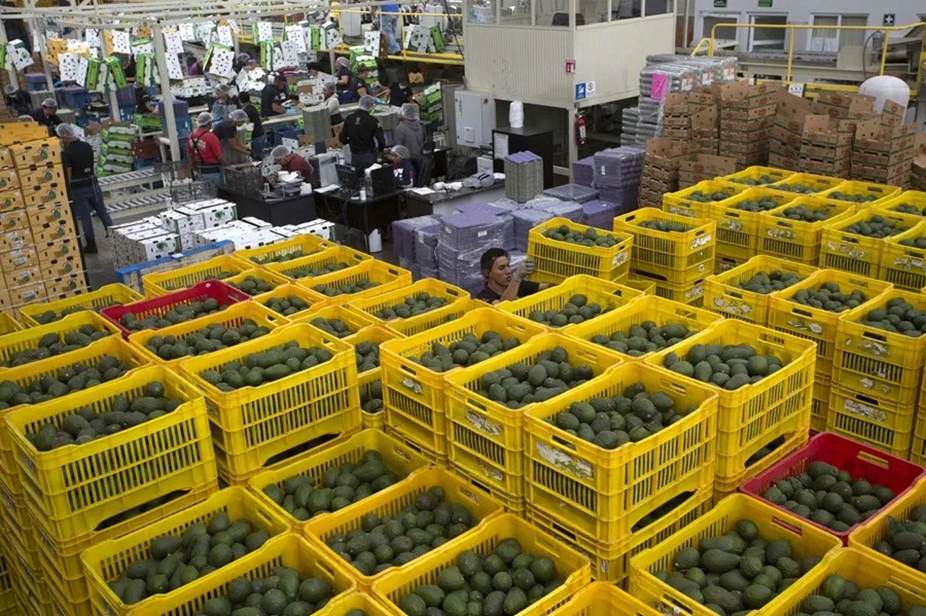
The commercial recovery came fast. Sheinbaum said 45 packinghouses regained permission to export in less than 48 hours. By the following day, Mexico’s Agriculture Ministry reported that 75 percent of packing facilities were enabled again, and that those plants handled 85 percent of Michoacán’s avocado exports.
Those percentages reveal more than a successful reopening. Restoring three-quarters of the plants restored an even larger share of export volume, showing how heavily trade is concentrated in the largest facilities. That helped prevent a deeper supply shock. It also means smaller plants, growers, and workers can remain stranded after officials announce that most commerce has resumed.
Sheinbaum argued that bilateral trade and security should be handled on separate tracks. Diplomatically, the position makes sense. Mexico does not want a temporary alert transformed into a broader commercial sanction. On the ground, those tracks have crossed. Certification depends on inspector safety. Inspector safety depends on territorial control. Territorial control is weakened by extortion. Extortion feeds on trade.
This was the third such U.S. suspension after disruptions in 2022 and 2024. Repetition changes its meaning. What first appeared exceptional now looks like a recurring weak point in the North American food system, brief enough to avoid immediate catastrophe but frequent enough to expose the unresolved structure beneath the trade.
Existing inventories may cushion U.S. consumers from a short interruption. Michoacán’s workers have no comparable buffer against chronic intimidation. A family dependent on an orchard cannot stockpile safety. A driver cannot hedge against a road controlled after dark. A producer cannot treat an extortion demand as a temporary price swing.
The 46 bases may keep avocados moving this week. Mexico’s deeper test is whether it can protect the people behind the fruit after inspectors return, headlines fade, and emergency convoys move elsewhere. Green gold made Michoacán indispensable. It also made ordinary livelihoods visible to anyone demanding a cut.
Also Read: Latin American Football Faces a Billion-Dollar FIFA Future with Strings