Colombia Tests Whether Civil Disobedience Defends Democracy or Defies It
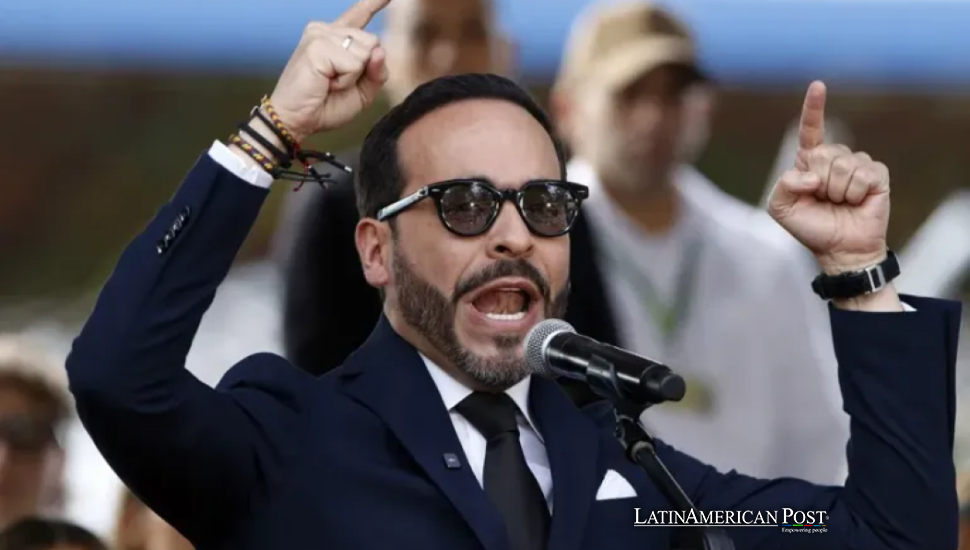
On inauguration day, Colombia will stage two rival democratic rituals: Abelardo de la Espriella’s swearing-in in Cali and peaceful opposition gatherings nearby. The deeper question is whether resistance protects constitutional government or becomes a weapon for refusing an election’s result.
A Protest Is Not Yet Disobedience
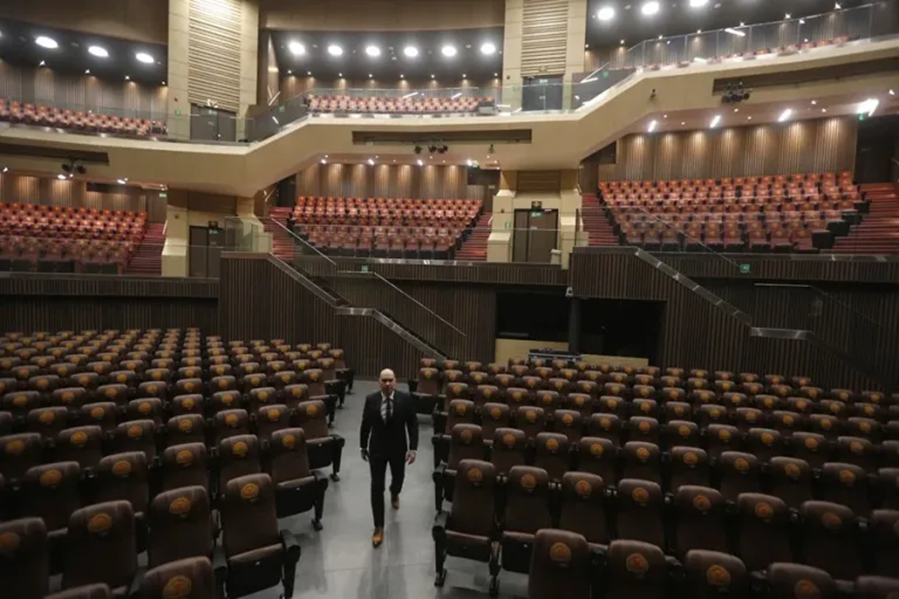
On August 7, one crowd will enter the Arena USC to watch De la Espriella take the presidential oath. Other Colombians will gather in Bogotá, Barranquilla, and at Cali’s Puerto Resistencia, a place already heavy with memories of young protesters, barricades, police force, and the 2021 national strike.
The symbolism is almost too precise. Colombia’s first presidential inauguration outside Bogotá is being presented by De la Espriella as an act of decentralization and restored state authority. A few streets and political worlds away, the left will use the same city to announce that it does not consent quietly.
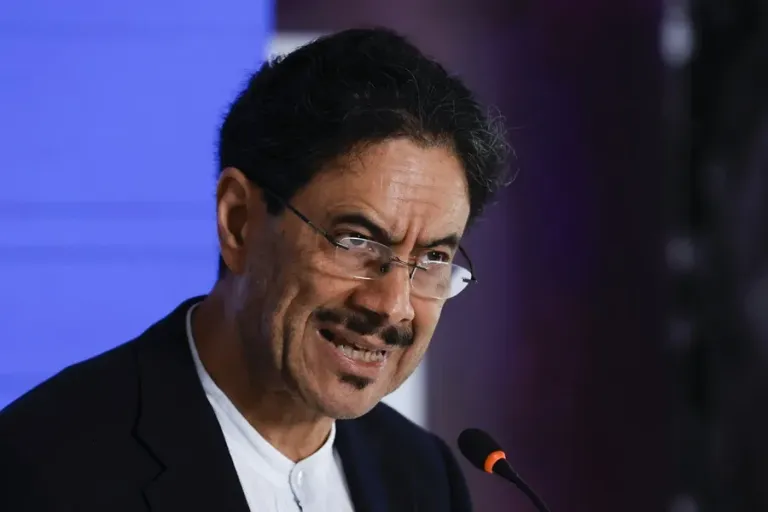
According to EFE, Senator Iván Cepeda, whom De la Espriella defeated in the June 21 runoff, described the planned gatherings as peaceful acts of “civil disobedience.” De la Espriella answered that the phrase was a euphemism for destabilizing democracy. Members of the Historic Pact will boycott the joint congressional session, while outgoing President Gustavo Petro continues to reject the election result.
Both sides are using a powerful term too loosely.
Civil disobedience is not simply public disagreement, a march, a boycott, or an angry speech. In its democratic form, it is a public, conscientious, and nonviolent breach of a specific law or official command, undertaken to expose an injustice and persuade the wider political community. The person disobeying does not secretly sabotage the state. The act is visible. The demand is stated. The protesters accept that legal consequences may follow.
That kind of disobedience can strengthen democracy when ordinary channels are blocked, minorities are systematically ignored, or a law violates the constitutional promise beneath it. It says the legal order has betrayed its own principles and must be called back to them.
Anti-democratic disobedience is different. It uses intimidation, violence, fabricated claims, institutional seizure, or coercive disruption to cancel the political equality of others. It does not appeal to citizens. It tries to overpower them. Most importantly here, it seeks to nullify an election without credible evidence or lawful adjudication.
The Election and the Street Must Both Count
De la Espriella won by less than one percentage point, roughly 250,000 votes, in an electorate split almost exactly in half. A margin that narrow gives the victor legal authority, but not unlimited moral permission. It also gives the defeated side enormous democratic weight, but not a veto over the transfer of power.
That distinction decides this case.
As announced, the August 7 gatherings are not anti-democratic civil disobedience. They may not be civil disobedience at all. Cepeda has described stationary, peaceful concentrations, not an illegal occupation, an attack on Congress, or an effort to prevent the oath. Colombia’s Constitution protects public and peaceful assembly. Calling such gatherings destabilization before they occur risks treating opposition itself as suspicious.
The boycott is also democratic. Legislators may refuse to attend a ceremony as an act of political condemnation. Their absence may be ungracious, polarizing, or strategically foolish, but democracy does not require ceremonial enthusiasm from the defeated.
The more serious problem is Petro’s and the Historic Pact’s refusal to recognize De la Espriella’s victory. Requesting recounts, presenting evidence, and challenging irregularities before electoral courts are democratic acts. Continuing to deny a certified outcome after those channels are exhausted, without proof capable of changing the result, crosses toward anti-democratic resistance.
“I oppose this president” belongs inside democracy. “He cannot be president because my side lost narrowly” does not.
De la Espriella faces an equal test. Colombia has repeatedly seen protest described as infiltration, vandalism, or insurgency before individual conduct was established. Cali became the epicenter of grave abuses during the 2021 national strike, when Amnesty International documented repression by security forces and armed civilians against protesters. Puerto Resistencia is therefore not a neutral meeting point. It is a warning about what happens when governments collapse peaceful dissent and criminal violence into one category.
Democracy Requires Restraint From Winners and Losers
The opposition should state its line clearly. It should recognize the constitutional transfer while contesting De la Espriella’s program, publish its evidence if it alleges fraud, appoint marshals to keep gatherings peaceful, and reject any attempt to obstruct the oath by force. If it plans actual lawbreaking, it should identify the unjust law, explain the necessity, limit the harm, and accept judicial scrutiny.
The incoming government should perform the same democratic work. It should guarantee the demonstrations, separate violent individuals from peaceful crowds, publish policing protocols, and avoid using “destabilization” as a pretext for mass arrests or military theater. De la Espriella cannot claim to govern all Colombians while treating nearly half the electorate as a security problem.
Holding the inauguration in Cali could become a bridge between the state and a region that voted heavily for Cepeda. It could also become a triumphal procession into opposition territory. The meaning will depend less on the stage than on the conduct surrounding it.
So which form of civil disobedience applies? Based on the announced facts, the demonstrations belong to democratic protest, not anti-democratic rebellion. The danger lies at both edges: in a left that may convert electoral defeat into permanent nonrecognition, and in a new government that may convert dissent into sedition.
Colombia needs the oath inside the arena and the criticism outside it. Democracy survives only when the winner takes office, the loser keeps speaking, and neither side claims that the other’s existence is illegal.
Also Read: Argentina Turns Border Control into a Test of Free Speech