Brazilian Ballots Turn Toward Barracks as Lula Seeks Fourth Mandate
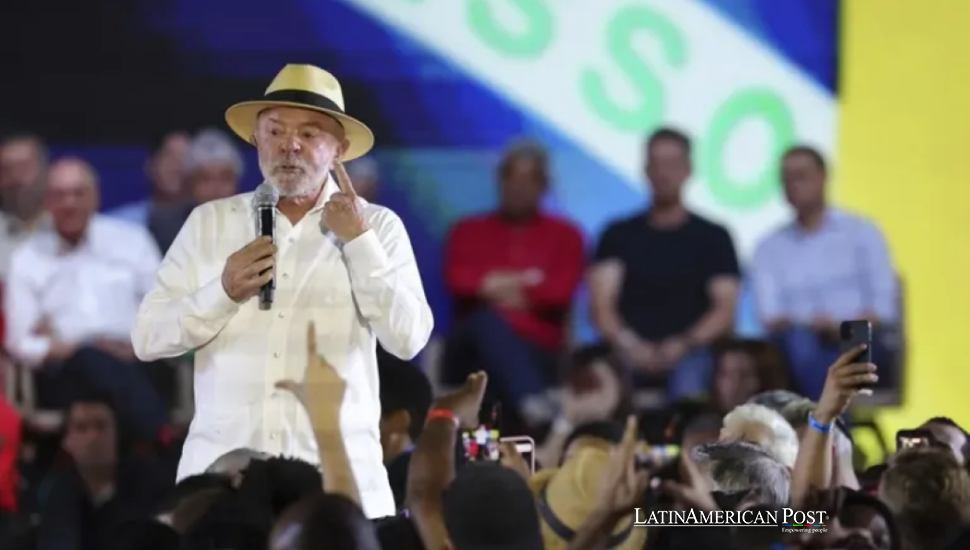
At 80, Luiz Inácio Lula da Silva is running again, promising stronger defenses after Nicolás Maduro’s capture while confronting sluggish growth, punishing interest rates, fiscal strain, family scrutiny, and a Bolsonaro heir determined to turn Brazil’s election into a reckoning.
Peace Spoken Through the Language of Deterrence
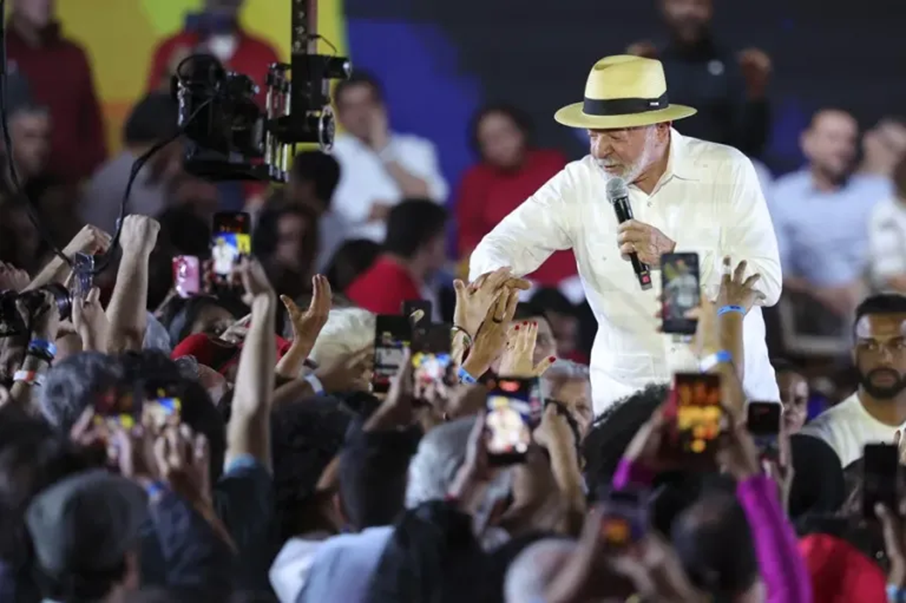
The chants at São Paulo’s Expo Center Norte carried a familiar name and an unfamiliar warning. Workers’ Party delegates formalized Lula’s bid for a fourth, nonconsecutive presidency, again alongside the moderate Geraldo Alckmin. It will be his seventh run for the Planalto Palace, another improbable chapter for the former metalworker who has shaped Brazilian politics for decades.
Then the celebration turned toward the barracks.
Lula promised greater defense investment so that no foreign force could enter Brazil and “take the president,” an apparent reference to the capture of Nicolás Maduro by United States special forces in Caracas on January 3. He said Brazil should be “prepared for peace, not war” and urged the left to stop treating defense as a foolish concern, EFE reported.
For Brazil’s left, that is not a minor adjustment. The 1964 to 1985 military dictatorship left a history of censorship, torture, political persecution, and uniformed power above democratic accountability. Suspicion of the barracks was learned through disappeared relatives, silenced newspapers, and lives broken by the state.
Yet rejection of military rule cannot become indifference to national defense. Brazil is a continental country with the Amazon, an immense Atlantic coastline, long borders, strategic resources, and vulnerable infrastructure. Its National Defense Strategy links preparedness to sovereignty, technological autonomy, peaceful diplomacy, and development. The democratic challenge is not to leave defense to the right. It is to keep defense under civilian command.
Lula’s warning can therefore be heard two ways. One is sober: a major state needs credible deterrence, intelligence, cyber capacity, and an industrial base that reduces dependence. The other is theatrical: a dramatic foreign intervention becomes campaign imagery, allowing fear to replace scrutiny of procurement, costs, and command.
Maduro’s capture helps Lula reclaim patriotism from Bolsonarismo and argue that sovereignty belongs to the democratic left, too. But Brazil is not Venezuela. Invoking Caracas may inflate an improbable threat while postponing harder questions about what Brazil should buy, from whom, and for which realistic dangers.
A Fourth Campaign Meets a Slower Economy
Those questions arrive when public money is already strained. Lula enters the race defending falling unemployment and reduced poverty, but the expansion supporting his social message is slowing. Brazil’s economy grew 3.4 percent in 2024 and 2.3 percent in 2025, while growth is expected near 2 percent during the election year.
The numbers become intimate quickly. A 14.25 percent benchmark interest rate makes business credit expensive, delays home purchases, and raises debt costs. Food and fuel pressures reach kitchens before campaign statistics do. Meanwhile, a nominal deficit near 10 percent of gross domestic product and public debt above 80 percent let the opposition portray Lula’s promises as generous but financially brittle.
Defense spending cannot float above hospitals, schools, income support, and infrastructure. A disciplined program can create skilled jobs, strengthen engineering, and produce civilian technologies. A poorly designed one can become an expensive monument to pride, protected by secrecy and sustained through contracts few citizens understand.
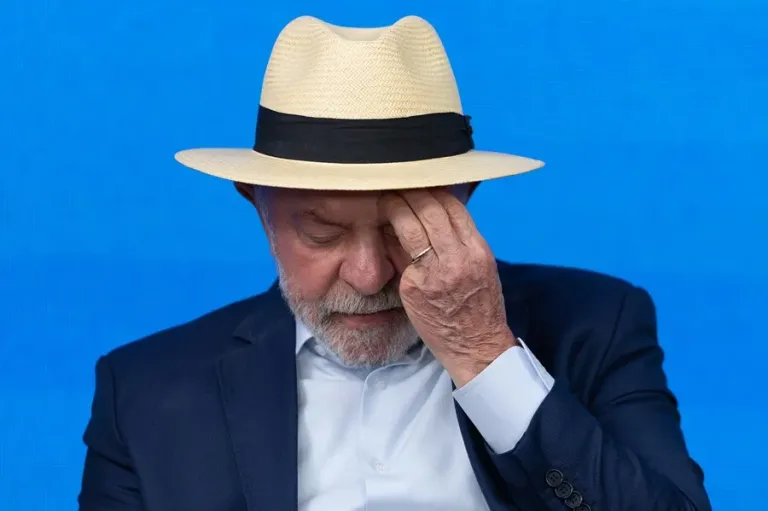
Lula says he has the energy he had at 30, but voters are judging more than stamina. They must decide whether the coalition that restored him in 2023 still represents renewal, or now depends on one extraordinary survivor. Two influence-peddling investigations involving his eldest son, Fábio Luís Lula da Silva, add pressure. They establish no wrongdoing by Lula, but revive the language of suspicion formed during Lava Jato.
Brazil Becomes the Region’s Ideological Border
Across the ballot stands Senator Flávio Bolsonaro, 45, carrying his father’s inheritance. Jair Bolsonaro is barred from running and serving a 27-year sentence under house arrest after his conviction for attempting a coup. His son now leads the conservative space, turning October into another confrontation between Lula’s coalition and the Bolsonaro right. EFE cited a Datafolha runoff projection giving Lula 48 percent and Flávio 43 percent.
Argentina’s Javier Milei has already entered the contest. After appearing at a Brazilian Liberal Party convention supporting Flávio, Milei again called Lula a thief and corrupt, provoking a diplomatic crisis. Lula spent 580 days imprisoned before his convictions were annulled over procedural irregularities, and the judge who handled his case was later declared partial. Milei’s insult flattens that legal history into an electoral weapon.
Brazil’s election is therefore no longer only a national debate about welfare, crime, debt, or defense. It has become a regional contest over which political current sets Latin America’s tone, with presidents openly campaigning against neighboring presidents and ideology pushing diplomacy toward personal insult.
Lula’s defense pledge sits inside that struggle. It tells the left that sovereignty requires strength, tells the right that patriotism is not its private possession, and signals that Brazil wants strategic autonomy. But the promise becomes democratic policy only through clear priorities, congressional oversight, transparent contracts, and armed forces trained to defend constitutional government rather than arbitrate it.
Brazil need not choose between peace and preparedness. It must decide whether preparedness will serve peace. That is the harder promise beneath Lula’s applause, and the one voters should remember after the convention lights go dark.
Also Read: Peru Confronts Nazca Air Tragedy and Tourism’s Safety Blind Spot