Cuba’s Economic Opening Splits the Revolution From Its Own Left
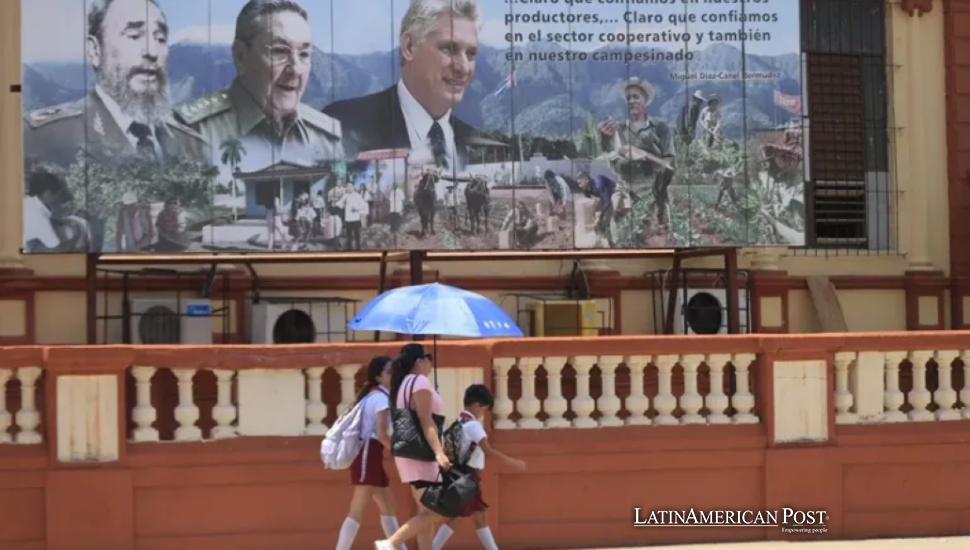
Cuba’s sweeping economic reforms and the sudden rise of Raúl Castro’s grandson as an unofficial channel to Washington are provoking an unusual rebellion, not from dissidents abroad, but from socialists who fear the Revolution is quietly surrendering its economic soul.
The Dissent Comes From Inside
For decades, Havana located its loudest critics in Miami and Washington. Now the unease comes from its own militant left.
The trigger was the surprise announcement and rapid approval of 176 measures intended to liberalize and decentralize the economy. The government calls the changes urgent and necessary, insisting they do not represent a transition to capitalism. Among Communist Party members, left-wing outlets, youth activists, and socialist intellectuals, that reassurance has not settled the argument.
The fear is not simply that private business will grow. Cuba already knows unequal access to hard currency. The deeper concern is that the reforms may quietly change who owns economic power, who makes decisions, and who benefits from national assets while revolutionary language remains in place.
The Cuban digital outlet Punto y Aparte described parts of the package as a return to “pure and simple capitalism,” according to EFE. Its editorial warned that the measures could deepen inequality and amount to surrender before a new domestic bourgeoisie and international financial capital.
That is unusually direct language within a system where ideological disagreement is often treated as disloyalty. The critique is not asking Cuba to abandon socialism. It is accusing the state of abandoning socialism without asking the people.
An internal report by Communist Party militants reaches a similar conclusion. Titled “Advancing Socialism Through Popular Power,” it argues that some reforms exceed what Cubans have historically considered admissible and collide with the social meaning generations were taught to attach to socialism.
This is the central contradiction. A government built on collective ownership and popular sacrifice is demanding trust as it changes the economic rules quickly, from above, and with limited public deliberation.
A Market Opening Without Popular Ownership
Economic decentralization can be necessary without being democratic.
Moving authority away from ministries may help local governments, cooperatives, and enterprises respond faster. Greater private initiative may create work and release productive energy trapped by bureaucracy. But decentralization can become privatization by another name if public assets and profitable opportunities flow toward insiders with family connections or privileged access.
Cuba’s left-wing critics are therefore asking the question market reformers often avoid: decentralization toward whom?
Alejandro Sánchez, secretary of the Young Communist League at the University of Havana, argued on social media that power cannot continue to be exercised only from above. He called for greater participation and popular control. His language reaches the heart of the dispute. Socialism without meaningful participation becomes administration. Market reform without public oversight can become oligarchy.
Latin America has seen this transition before. State assets are declared inefficient, reform becomes unavoidable, and a narrow group gains influence before ordinary citizens understand the rules. The outcome is often politically connected capitalism born inside the old state.
If Cuba’s reforms reward those with dollars, contacts, travel access, or official proximity, inequality will not be an accidental side effect. It will be built into the opening.
The government’s urgency is understandable. A state cannot preserve social guarantees through slogans if its economy cannot sustain them. Yet urgency cannot excuse secrecy. The faster the transformation, the stronger the need for public hearings, transparent criteria, audits, and protections against insider capture.
The critics are not defending paralysis. They are defending the idea that ordinary Cubans should help decide what replaces it.
The Grandson and Revolutionary Inheritance
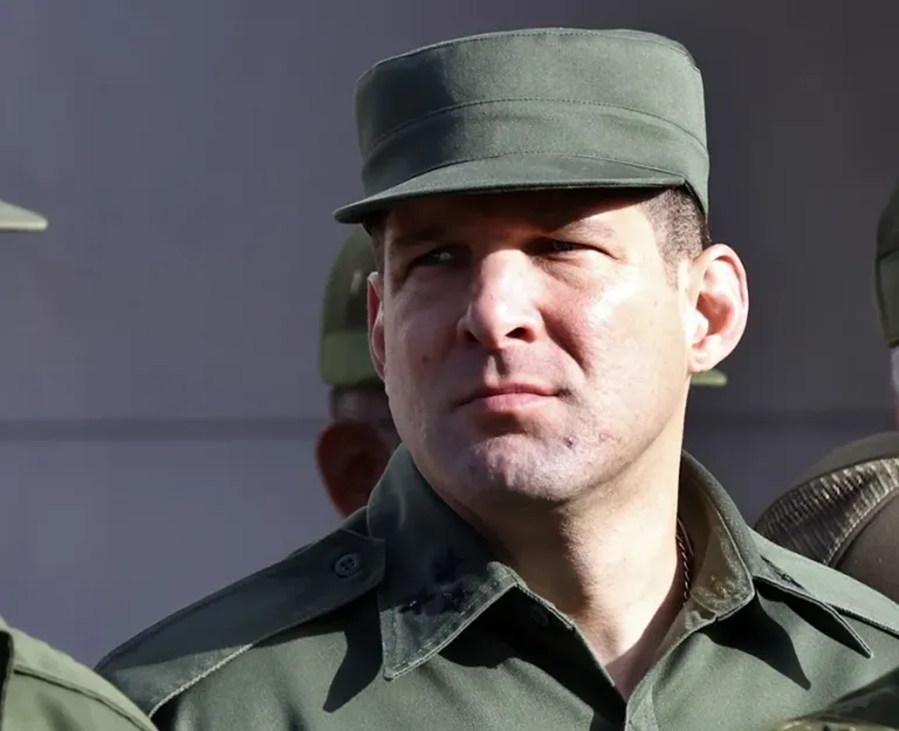
The economic dispute has fused with a political symbol: Raúl Guillermo Rodríguez Castro, grandson and bodyguard of former President Raúl Castro.
Rodríguez Castro holds no formal government position, yet he has emerged implicitly as a Cuban reference point in contacts with the United States. That role angers critics who see hereditary privilege taking shape inside a revolution founded against inherited power.
Michel Torres, presenter of the state television program Con Filo, wrote that Rodríguez Castro had “usurped the functions of the government” and assumed a public role for which he was never elected. Speaking to EFE, Torres defended disagreement but insisted that unity must remain monolithic because Cuba’s enemy, in his view, is in Miami and Washington, not inside the Communist Party or government.
That formulation reveals the trap. Cubans may criticize, but not so deeply that criticism threatens unity. They may condemn nepotism, but not fracture the system that permits it. They may question reform, but not weaken the leadership carrying it out.
The grandson’s prominence matters because symbolism is governance in Cuba. But an unelected relative acting as interlocutor with Washington tells citizens that access may still travel through bloodlines even while the economy is supposedly opening.
This fracture is larger than a quarrel over markets. Cuba’s left is challenging concentrated decision-making, connected elites, and the assumption that revolutionary loyalty requires silence.
The government may be right that reform cannot wait. Its critics may be right that reform without popular control could hollow out the social project it claims to rescue.
Cuba now faces a choice larger than capitalism versus socialism. It must decide whether transformation will be negotiated with its people or delivered as another completed decision. A revolution can survive economic change. It is less certain that it can survive being inherited.
Also Read: Paraguayan Senator Turns Racist Outrage Into a Shameless Presidential Audition