Paraguayan Senator Turns Racist Outrage Into a Shameless Presidential Audition
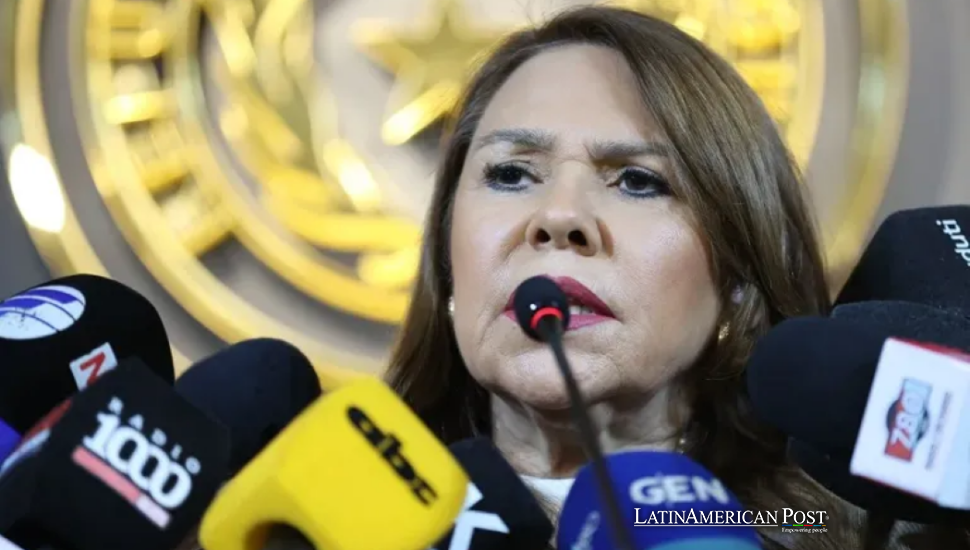
Celeste Amarilla wants Paraguay’s presidency weeks after racist insults against Kylian Mbappé made her globally notorious. Whether the remarks reflected conviction or calculated provocation, voters should reject a candidacy built on dehumanization, opportunism, and a cynical misuse of gender politics.
Racism Is Not a Campaign Strategy
In Asunción, the question arrived with the confidence of someone testing a slogan. “Why not me?” Senator Celeste Amarilla asked as she offered herself as a possible presidential candidate for the Authentic Radical Liberal Party in 2028.
According to EFE, Amarilla presented herself as the dependable party loyalist, contrasting her permanence inside the PLRA with Senator Eduardo Nakayama’s previous departure. She argued that liberals could trust her not to abandon the organization after winning its nomination.
But another memory entered the room with her.
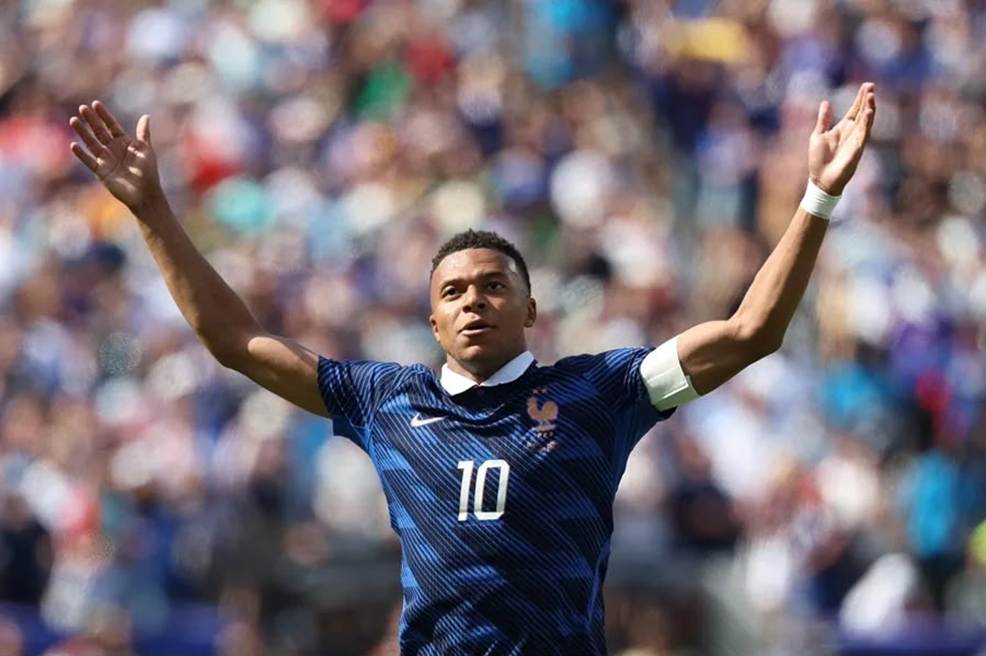
Only weeks earlier, after France eliminated Paraguay from the 2026 World Cup through a Kylian Mbappé penalty, Amarilla directed racial abuse at the French star. Her remarks invoked coconuts, chimpanzees, supposed illiteracy, and African ancestry. The imagery was not ambiguous. It belonged to an old racist vocabulary that reduces a Black person to animality and primitiveness while denying intelligence, culture, and full humanity.
The United Nations, the French Football Federation, French President Emmanuel Macron, Paraguay’s government, and the Paraguayan Senate condemned the comments. Mbappé said she did not represent Paraguay.
He was right. But Paraguayans must now decide whether Amarilla should represent them at all.
If she meant what she said, the case is straightforward. It was racism, not humor, patriotism, or football banter. Losing a match does not transform racial dehumanization into an emotional reflex worth excusing. Public officials are not judged only by prepared speeches. Character is often revealed when anger removes the filter.

Attention Seeking Is Still a Moral Choice
There is another possible explanation, though it is hardly better. Perhaps Amarilla did not deeply believe the insults. Perhaps she understood that outrage travels faster than policy, that Mbappé’s fame could lend her visibility unavailable to a second-line Paraguayan politician, and that scandal might convert obscurity into presidential relevance.
A politician willing to borrow racist language for attention shows voters how she understands power. Human dignity becomes raw material. A Black athlete becomes a prop. The offense is no longer only prejudice. It is the conversion of prejudice into political capital.
Paraguay’s pride in its Guaraní-Spanish identity does not make anti-Black racism foreign. Across Latin America, nations built around mestizaje often celebrate mixture while minimizing racial hierarchy. A politician can then deploy colonial stereotypes, call them banter, and recast condemnation as censorship. Platforms reward the insult, while partisan audiences reward the defiance.
Paraguay should be especially wary. Its politics has long been shaped by durable party machines and the struggle to distinguish genuine opposition from another route into established power. Amarilla presents loyalty to the PLRA as her central qualification. Yet loyalty to a party is not loyalty to democratic values. A candidate can remain faithful to an organization while degrading the country’s public life.
Her dismissive answer on Monday sharpened the problem. Asked whether the Mbappé controversy could boost her campaign, she replied that he could not even win the World Cup, so how could he choose Paraguay’s president. The joke avoided the moral question. Mbappé does not choose Paraguay’s president. Paraguayan voters do.
They should not reward a politician for making their country globally recognizable through racist abuse.
Gender Equality Cannot Shield Racist Speech
Amarilla’s attempt to portray the French investigation of her remarks as gender-based violence is perhaps the most corrosive part of the episode. It takes language developed to describe discrimination, harassment, exclusion, and physical danger faced by women, then uses it as armor against accountability for attacking a Black man.
Criticism of a woman can certainly be sexist. Female politicians are routinely judged by standards men escape and threatened in gendered terms. None of that means every consequence imposed on a woman is misogyny. Equality does not require immunity. It requires that women be treated as full political agents, capable of achievement, cruelty, error, and responsibility.
Playing the gender card here harms women twice. It trivializes actual gender-based violence by equating a legal response to racist speech with persecution for being female. It also suggests that a powerful woman should be protected from standards applied to other officials. That is not feminism. It is a demand for exemption.
It also sets vulnerable identities against each other, as though recognizing racism somehow erases sexism. Democratic politics can hold both truths at once. Women face structural discrimination. Black people face racial dehumanization. A woman can experience sexism and still commit racism. One injustice does not cancel another.
Amarilla is a lawyer, a former deputy, and now a senator. She cannot plausibly claim she lacked the education or political experience to understand what she was saying. Her record also includes public insults against teachers. A pattern of contempt is not courage simply because it is delivered loudly.
Paraguayan voters do not need to choose between free expression and moral judgment. Amarilla had the freedom to speak. Citizens have the freedom to remember. Parties must decide whether notoriety is a credential, and voters have the authority to reject a candidate who mistakes cruelty for candor.
If the remarks were sincere, they revealed racism. If they were staged, they revealed opportunism. If the gender claim was strategic, it revealed a willingness to misuse a vital struggle for personal protection.
None of those paths leads to the presidency Paraguay deserves.
Also Read: Colombia Tests Whether Civil Disobedience Defends Democracy or Defies It