Mexico Wants El Mayo’s Billions Back as Sinaloa Keeps Bleeding
Mexico wants a share of the $15 billion forfeiture ordered against Ismael “El Mayo” Zambada, arguing that cartel wealth extracted through decades of violence should return home. But the demand collides with missing assets, disputed sovereignty, and Sinaloa’s unfinished war.
A Fortune That May Not Exist
President Claudia Sheinbaum’s argument is hard to dismiss on moral grounds. If American authorities locate money, property, companies, or assets tied to Zambada’s criminal enterprise, Mexico will ask that they be returned through bilateral mechanisms because, as she put it, “the principal damage was done here.”
That damage is not theoretical. It lives in families searching for the disappeared, towns trained to distinguish gunfire by caliber, and businesses that learned to include extortion in their monthly costs. It also lives in Sinaloa, where Zambada’s detention fractured the cartel he helped build and triggered a conflict that has left more than 3,000 people dead and displaced thousands more.
Still, the number dominating headlines requires discipline. The $15 billion ordered forfeited by a judge in New York is not a warehouse of cash counted by investigators. Sheinbaum herself emphasized that it is an estimate of illicit profits accumulated over decades, not proof that authorities have located assets of equal value.
A forfeiture judgment is a claim, not a treasure map. Cartel wealth is designed to disappear into nominees, businesses, real estate, layered transactions, and jurisdictions where ownership becomes difficult to prove. Mexico may receive far less than the headline figure.
Yet the principle matters. Criminal assets should not become trophies for the country that secured the conviction while communities that absorbed the bloodshed receive condolences. If proceeds can be traced, Mexico has a compelling claim. But that claim will be strongest if the government speaks not of national windfall, but of restitution to victims.
A Conviction Shadowed by a Contested Capture
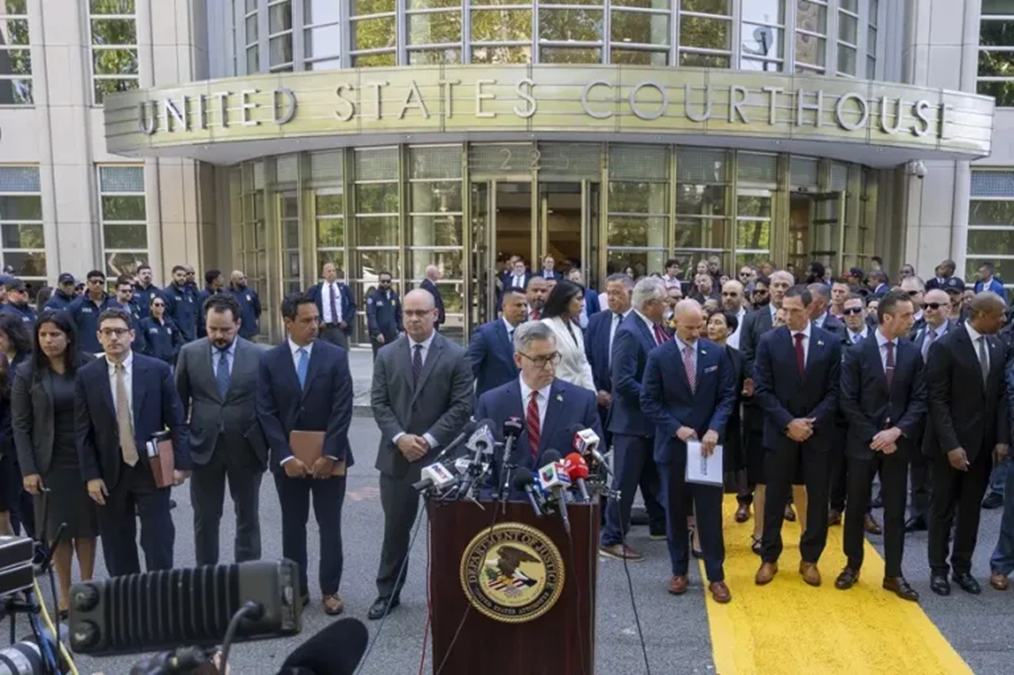
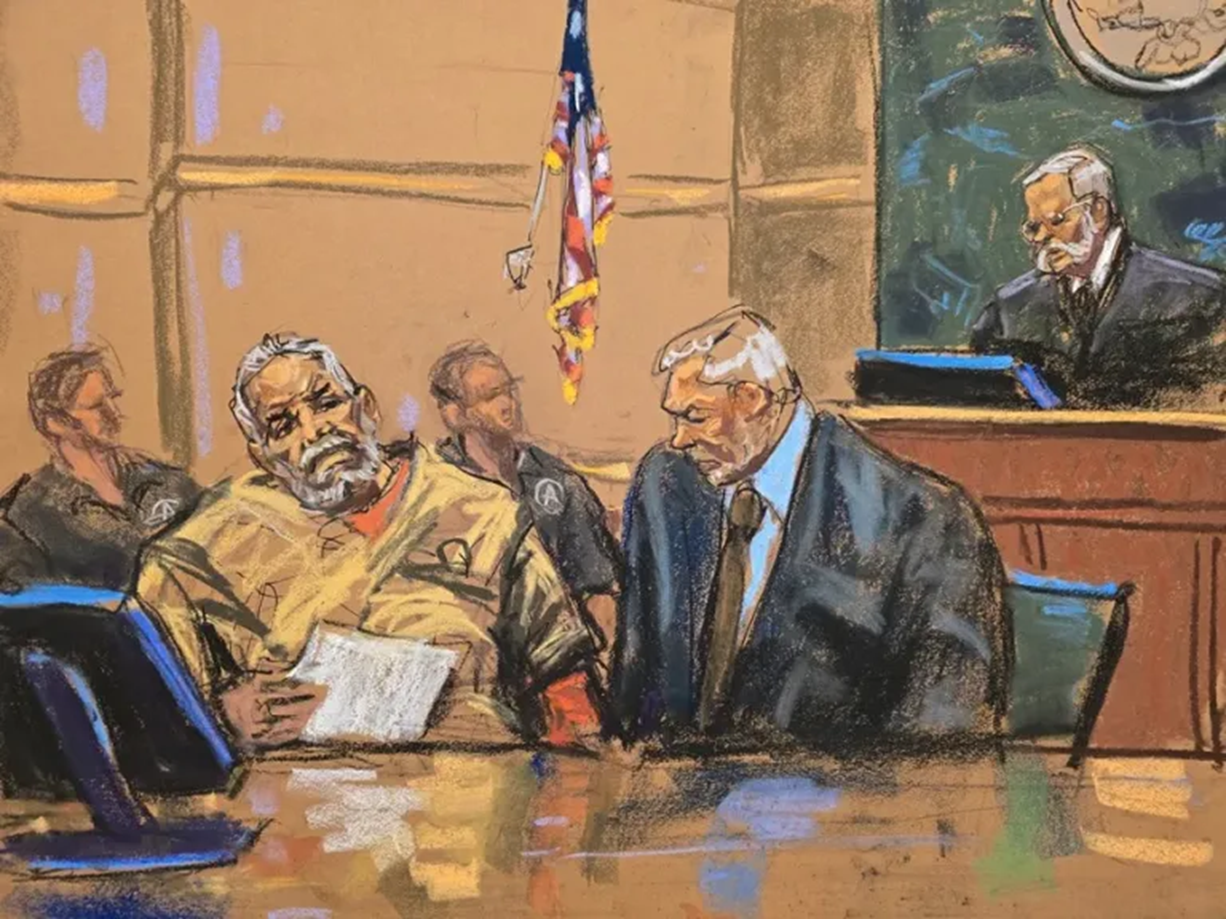
Zambada, 76, received life imprisonment in July after pleading guilty to cocaine and fentanyl trafficking charges. Before sentencing, he apologized to victims, urged an end to violence in Mexico, and said he accepted responsibility. The courtroom supplied finality. Sinaloa did not.
His arrival in Texas on July 25, 2024, remains explosive. Zambada said a son of Joaquín “El Chapo” Guzmán forced him onto the aircraft and delivered him to the United States. Washington told Mexico that American agents had not participated in the capture, but Mexican officials never accepted that version.
The controversy deepened when the FBI donated the aircraft used in the transfer to a museum. Sheinbaum called American involvement “obvious,” while Mexico’s Attorney General’s Office sent renewed requests for information. Security analyst David Saucedo told EFE that the government cannot overlook what he described as the capture of a Mexican citizen on Mexican territory by United States agents.
That dispute complicates the asset demand. Mexico is asking Washington to share the fruits of a prosecution while also accusing it of violating Mexican sovereignty to obtain the defendant. Zambada can be guilty, his assets can be subject to forfeiture, and the manner of his removal can still demand a full accounting.
This is where bilateral cooperation often fails Latin America. The United States treats a conviction as the end of the story. Mexico sees the operation’s aftermath, the humiliation, and the violence that followed. If Washington wants cooperation, it must explain who negotiated the transfer, who knew, and what occurred before the plane crossed the border.
Sovereignty cannot become a shield for a cartel leader. Nor can counter-narcotics success become permission to keep an ally uninformed.
The Money Must Follow the Wounds
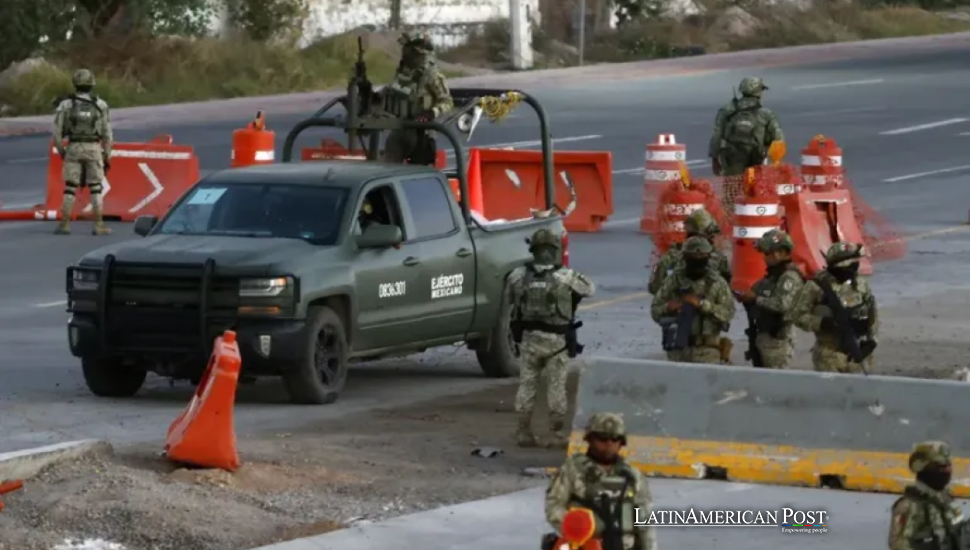
The struggle inside the Sinaloa Cartel now pits Los Mayos, linked to Zambada’s sons, against Los Chapitos, led by sons of El Chapo. Their leaders, including Iván Archivaldo and “El Mayito Flaco,” remain free. Washington has offered rewards of up to $15 million, while Mexico has deployed military forces across the state.
The International Crisis Group reported in June that violence had become more concentrated and shifted toward rural areas. Saucedo’s assessment is harsher: authorities are not dismantling command structures, but managing the conflict to reduce homicides. The factions, he said, have strengthened their financing and preserved their military capacity.
That reality should determine what happens to any recovered money. Depositing cartel assets into a general treasury would be morally insufficient. Funds linked to Zambada should instead be directed transparently toward Sinaloa’s victims, displaced families, clinics, missing-person searches, forensic laboratories, witness protection, and the rebuilding of municipalities hollowed out by criminal rule.
Mexico would also need independent audits and public reporting. Otherwise, money taken from organized crime could vanish into opaque government spending, reproducing the same distance between official victories and suffering.
The United States has legitimate claims too. It financed the investigation and prosecution, and its communities have suffered from cocaine and fentanyl. But justice should recognize where the cartel exercised territorial power, corrupted institutions, and generated the war that continues after sentencing.
Zambada’s apology may have mattered in the courtroom. It did not reopen a shuttered shop, return a displaced family, or stop armed convoys in rural Sinaloa. His life sentence removed one historic figure. It did not remove the system.
Sheinbaum is right to seek the money. She will be more convincing if she makes a second promise: that every recovered dollar will be traceable from the seizure order to the communities that paid the cartel’s real bill.
Also Read: Chile Watches Deep Snow Bury Its Vital Argentina Border Crossing