How to Plan a Long-Distance Move to the US
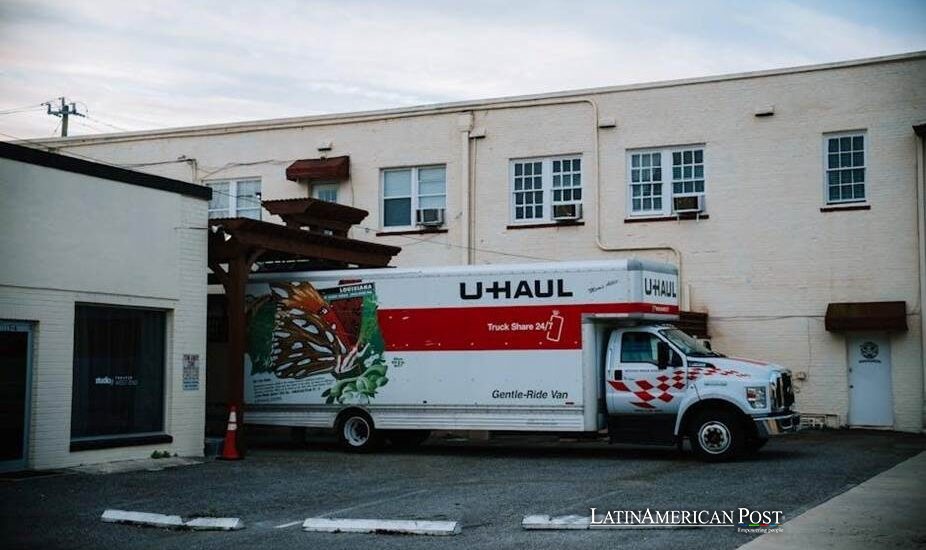
Moving across the country, or to a new one entirely, is one of the bigger leaps a person can make. For many Latin American families, a move to the United States carries real promise, and a long list of logistics to match.
The good news is that a long-distance move is far smoother with a plan and the right help. Working with a serious broker can coordinate the trucks, dates, and details so you can focus on the bigger picture. This guide walks through how to approach it.
Why Is a Long-Distance Move So Challenging?
Because distance multiplies every small decision. A local move forgives mistakes; a 2,000-mile move does not. Timing, cost, and logistics all have to line up at once.
There is the sheer scale of it. Booking transport and scheduling pickup and delivery can span days or weeks. Tracking everything in between is a project in its own right. Small errors become expensive fast.
Then there is the human side. People often move for opportunity, and the pull of the job market in a new region is a major reason families relocate. That hope is worth protecting with careful planning.
For those crossing borders, the stakes feel even higher. Stronger economic ties to the United States draw many north, but a move that far rewards preparation more than improvisation.
How Do You Plan a Long-Distance Move?
Step by step, starting well before moving day. A clear sequence keeps a daunting task manageable. Work through these in order:
- Set a budget early. Know your ceiling before you gather quotes.
- Declutter first. You pay to move weight, so move less of it.
- Book transport ahead. The best dates and rates go months early.
- Sort your documents. Keep IDs, contracts, and records in one place.
- Update your address. File a change of address so nothing is lost.
Each step removes a future headache. The earlier you start, the more choice you have over dates, movers, and price.
The address step is easy to forget. Filing an official change of address keeps your post, bills, and important letters following you to the new home rather than piling up at the old one.
Should You Hire Movers or Do It Yourself?
It depends on the distance, your budget, and how much you value your time. For a short hop, a rented truck and a few friends can work. For a true long-distance move, the math usually favors professional help.
The reasons stack up quickly. Driving a loaded truck thousands of miles is exhausting and risky, and the fuel, lodging, and time often cost more than expected. Professionals carry insurance and do this every day.
A moving broker adds another layer of ease. Rather than chasing carriers yourself, a broker matches your move to vetted movers. They handle the scheduling and give you a single point of contact. For a complex relocation, that coordination is worth a great deal.
There is also peace of mind in keeping your roots close while everything else changes. Letting experts manage the logistics frees you to focus on family and the new chapter ahead.
What Should You Budget and Prepare?
More than the headline quote, so plan for the full picture. A long-distance move has costs that hide until they arrive. The numbers below show what to expect.
- A long-distance move often spans 1,000 miles or more.
- Quotes usually price by weight, so 1 extra room adds up fast.
- Book 4 to 8 weeks ahead for the best dates and rates.
- Set aside 10 percent of the budget for surprises.
- Keep 1 box of essentials with you for the first night.
Those figures turn a vague worry into a real plan. The table below frames the main areas to prepare.
| Area | What to Prepare |
| Budget | The full cost, including fees and a buffer |
| Inventory | A list of what you are moving, room by room |
| Timeline | Pickup and delivery dates that fit your schedule |
| Paperwork | IDs, leases, school and medical records |
| Essentials | A first-night bag so you are not unpacking at midnight |

Each area protects the move from a common pitfall. The owners who plan all five rarely face nasty surprises on the day.
It also helps to plan the emotional side. A move is a fresh start, and treating it as one, rather than only a chore, makes the upheaval far easier to carry.
Before the Truck Arrives
- Distance turns small choices into costly ones, so plan early.
- Set a budget, declutter, and book transport weeks ahead.
- A broker or professional movers usually beat DIY over long distances.
- File a change of address and keep key documents together.
- Budget a buffer and pack a first-night essentials box.
Making the Move Work
A long-distance move to the US is a big undertaking, but it is far from overwhelming when you break it into steps. Set your budget, start early, and lean on professionals or a broker to handle the heavy logistics. Keep your documents and a little piece of home close, and treat the move as the new beginning it is. Plan it well, and the distance becomes just a drive, not a source of dread.
Frequently Asked Questions
How Far In Advance Should I Plan a Long-Distance Move?
Ideally, start six to eight weeks ahead, and earlier for a peak-season or cross-border move. That window lets you compare quotes, secure good dates, and sort paperwork without rushing. Last-minute moves are possible but usually cost more and leave you with fewer choices on movers and timing.
Is It Cheaper to Move Yourself or Hire Movers?
For short distances, doing it yourself is often cheaper. For long-distance moves, the fuel, lodging, equipment, and time can add up to more than professional help, which also includes insurance. A moving broker can compare options for you, often finding a better balance of cost and convenience than going it alone.
What Does a Moving Broker Actually Do?
A moving broker coordinates your move rather than driving the truck themselves. They match your relocation to vetted carriers, arrange scheduling, and act as a single point of contact throughout. For a complex or long-distance move, that saves you from chasing multiple companies and helps avoid unreliable movers.
What Documents Do I Need for a Move to the US?
Keep identification, any visa or immigration paperwork, your lease or property documents, and school and medical records together and easy to reach. For a cross-border move, immigration and customs paperwork matters most, so confirm requirements early and carry copies separately from the shipment in case anything is delayed.