Brazil Counts Its Indigenous Nations and Finds a Larger Country
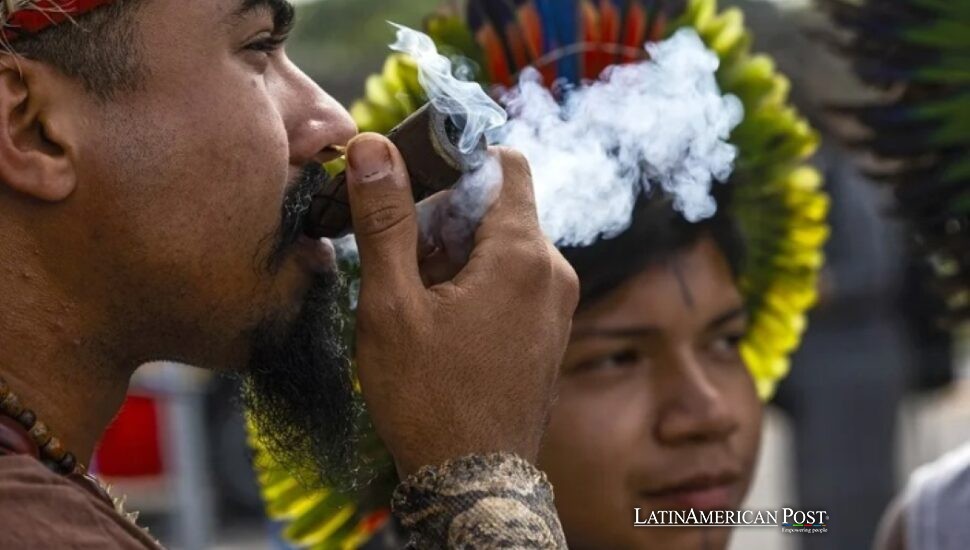
Brazil’s Indigenous census portrait reveals 391 ethnic groups, 295 languages, and nearly 1.7 million people. More than a statistical correction, the IBGE findings redraw who belongs, where Indigenous life happens, and what Latin American democracy still owes its first nations.
A Country Becomes More Visible
Numbers can make a nation look settled. Then a census arrives, and the map moves.
The Brazilian Institute of Geography and Statistics, or IBGE, has released a revised edition of its 2022 census portrait of Indigenous ethnicities and languages. It records 1,693,535 Indigenous people, about 0.83 percent of Brazil’s population, compared with 896,917 in 2010. That is an 88.8 percent increase in 12 years. The count identified 391 ethnicities, peoples or groups, up from 305, and 295 languages, up from 274.
Read carelessly, those figures might suggest a sudden demographic explosion. The more revealing story is recognition. IBGE improved its methods, mapped Indigenous localities, worked with Indigenous organizations, and expanded the question asking whether a person considers themselves Indigenous to include those beyond officially recognized territories. People who earlier surveys missed, or who were taught to remain quiet, became countable.
That distinction matters. A census does not manufacture identity. It can, however, prevent it from flattening.
For generations, Latin American republics celebrated mixture while treating Indigenous identity as something destined to dissolve into the nation. Brazil’s mythology was especially skilled at turning diversity into pageantry. At the same time, land conflicts, language loss, and unequal services persisted beneath the surface. The new count interrupts that story. It shows not a fading remnant, but hundreds of living people negotiating modern Brazil on their own terms.
The largest groups are the Tikúna, with 74,061 people, the Kokama, with 64,327, and the Makuxí, with 53,446. Yet some recorded communities number fewer than 15. Size shapes political leverage in Brasília, not historical depth. A statistically tiny people can still carry a moral geography of kinship, memory, river names, and obligation.
The Homeland Extends Beyond the Territory
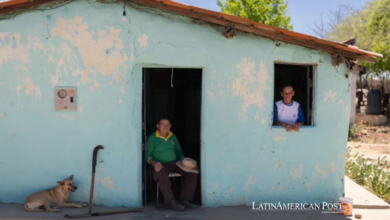
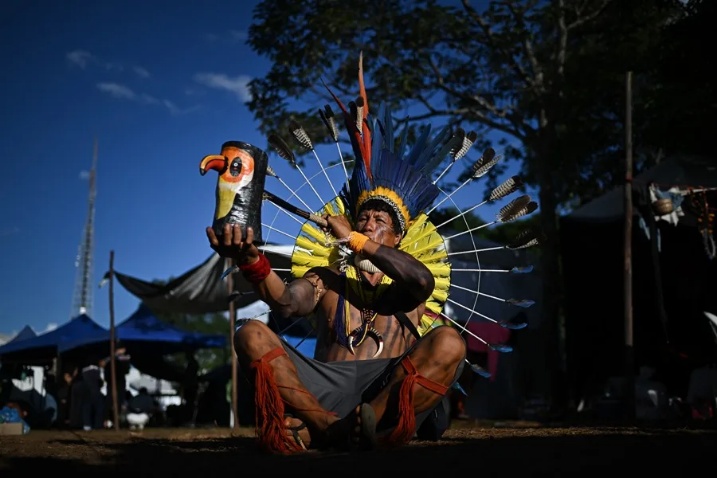
One finding overturns the postcard image of Indigenous Brazil. Nearly two-thirds of Indigenous people live outside officially delimited Indigenous lands. They are in cities, rural settlements, universities, peripheral neighborhoods, and homes where Indigenous and non-Indigenous relatives share the same table. Indigenous life does not end when someone boards a bus, takes an office job, or moves for school. Obvious, perhaps. Public policy has not always acted as though it were.
This geographic reality changes the argument over rights. Territorial protection remains essential because land sustains political autonomy, food systems, sacred relationships, and cultural transmission. But a policy designed only for demarcated territory will miss more than a million Indigenous Brazilians. Municipal clinics need culturally competent care. Urban schools must recognize Indigenous students without treating them as curiosities. Housing, sanitation, and documentation systems must serve families whose identities do not fit an old rural stereotype.
The rise in self-identification carries political risk. In polarized debates, critics may call the increase artificial. That confuses improved visibility with invention. When the state finally looks where it previously did not, growth exposes earlier blindness. The honest question is not whether these people suddenly appeared overnight. It is why official Brazil took so long to truly see them.
Across Latin America, this is a familiar struggle. Census categories influence budgets, legislative representation, bilingual education, health programs, and land claims. They can turn presence into an administrative fact. Yet recognition without resources becomes another ceremony, warm in language and thin in consequence. Brazil’s numbers, therefore, create an obligation. Every additional person counted expands the measure of what governments can no longer plausibly say they did not know.
A Language Can Survive and Still Be in Danger
The linguistic figures hold the report’s deepest tension. IBGE found 474,856 Indigenous people age two or older speaking or using an Indigenous language at home, about 29.19 percent of that population. Of those speakers, 372,001 lived on Indigenous lands. Inside those territories, 63.35 percent used an Indigenous language, showing with unusual clarity that land is not merely acreage. It is an infrastructure of memory.
Tikúna had 51,978 speakers, followed by Guarani Kaiowá with 38,658, Guajajara with 29,212, and Kaingang with 27,482. At the other end of the table were languages reported by tiny communities, sometimes by a single person. That lonely numeral is devastating. It may represent an elder who holds jokes, medicinal knowledge, grammar, and ancestral history, with no one nearby able to answer fully.
There is encouraging growth in the number of recorded languages and speakers, partly reflecting stronger data collection and revitalization. But IBGE also found that among Indigenous people age five or older, the share speaking an Indigenous language fell from 37.35 percent in 2010 to 28.51 percent in 2022. More speakers, yet a smaller proportion. Population recovery and linguistic security are not the same achievement.
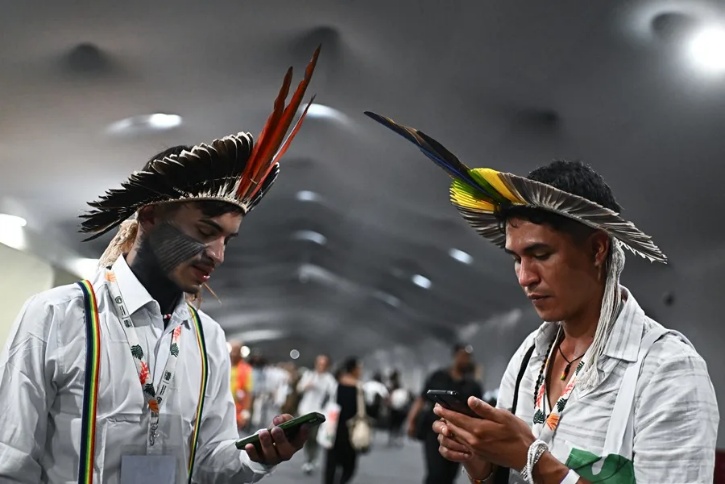
That is Brazil’s warning to the region. Latin America can praise Indigenous heritage while daily institutions reward Spanish or Portuguese alone. A language survives through use in kitchens, classrooms, courts, health posts, radio stations, and phone screens. It needs children, teachers, and public authority, not just museum respect.
The census offers a fuller Brazil, but not an easy one. Its achievement is to replace a blur with names. The next test is whether those names shape budgets, territory, and power. Counting is the beginning of recognition. In Latin America, history has taught Indigenous peoples to ask the harder question: what comes after being seen?
Also Read: Ecuador Mystery Deepens as Monika Silva’s Death Haunts Latin America