Mexican Sugar War Turns Fructose Fight Into a Trade Test
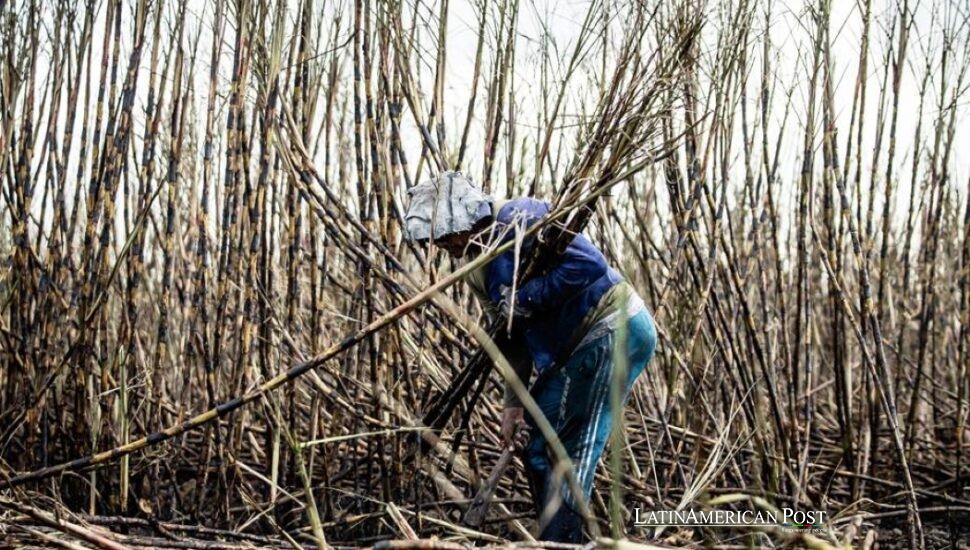
Mexican sugar producers want Washington to scrap import limits as exports collapse, prices sink, and U.S. fructose enters tariff-free, turning a sweetener dispute into a sharp test of USMCA politics, rural power, and Latin America’s trade dependency.
A Bitter Fight Over Sweetness
Sugar sounds harmless until the mills slow, the harvest loses value, and the politics turn sour. In Mexico, cane is not just an ingredient. It is a regional economy, a labor system, a rural habit, and, in many towns, the difference between survival and abandonment.
Now the Mexican sugar industry is pushing the United States to eliminate limits on sugar imports from Mexico, while preparing a possible anti-dumping case against U.S. fructose if talks fail, industry representatives told Reuters. The dispute is heading into Washington as Mexico, the United States, and Canada review the USMCA trade pact, giving an old sweetener war a new political charge.
The numbers explain why producers are angry. Juan Cortina, a representative of Mexico’s National Agricultural Council, said the United States has used a category called “future imports subject to tariffs” that drastically reduced Mexico’s sugar quota. According to Reuters, the industry says exports that once averaged about one million tons have fallen to roughly 180,000 metric tons this year.
That is not a technical adjustment. It is a collapse in access.
Mexico produces cane sugar across half its states. Behind that phrase are producers, mill operators, cutters, truck drivers, day laborers, local merchants, and families who live according to the rhythm of the harvest. Cane country is politically influential because it is socially dense. When prices fall, the pain does not stay inside the mill. It moves through school fees, food purchases, debt payments, and the small humiliations of rural life.
The United States has long been Mexico’s most valuable sugar market because prices there are better than in many other foreign destinations. But after dumping accusations in the United States, strict caps and minimum prices reshaped the trade. Sugar had once moved under the logic of North American integration. Since 2014, it has moved inside a managed system built on suspicion, quotas, and enforcement.
This is the paradox of free trade in Latin America. The agreement promises integration. The fine print reminds everyone who has leverage.
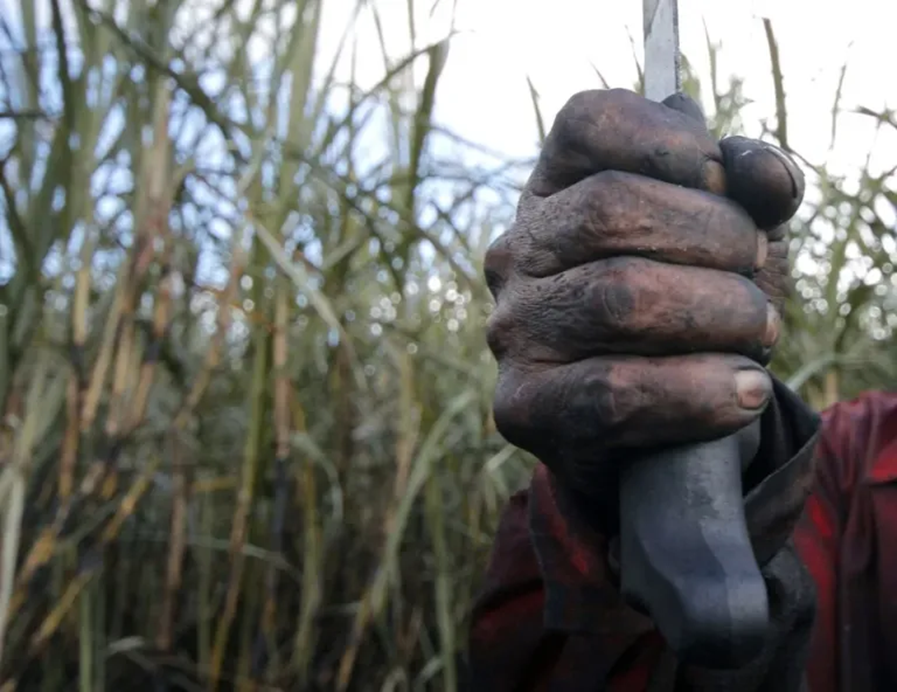
When Quotas Hit the Cane Fields
The export decline has pushed more sugar back into Mexico’s domestic market, depressing prices at home. Industry representatives told Reuters that surplus sugar is also being sold to other foreign buyers at prices below what it would have fetched in the United States. That difference matters because cane economics are thin. A lower price can decide whether a producer reinvests, delays payments, or simply absorbs losses until the next crisis arrives.
Mexico has already responded defensively. Last year, the government imposed a new tariff structure on sugar imports after pressure from local producers, setting a 156 percent ad valorem tariff per kilogram on sugars and syrups and 210.44 percent per kilogram on refined liquid sugar. Reuters reported that the measure answered concerns over unusual foreign purchases and falling domestic prices.
On paper, that looks like protectionism. On the ground, it looks like panic management.
The problem is not simply that Mexico wants to export more sugar. It is that Mexican producers see an asymmetry. U.S. fructose enters Mexico tariff-free, while Mexican sugar faces a shrinking path into the U.S. market. Cortina said the sector wants an agreement, but if talks do not work, the industry is preparing an anti-dumping case against fructose because, in his words, there is an imbalance in sweeteners that runs counter to what had been agreed with the United States.
Fructose is not just another sweetener. It is tied to U.S. corn power, industrial food systems, and the deep architecture of North American agriculture. In Mexico, the arrival of U.S. high-fructose corn syrup has long been viewed by sugar producers as an invasion through the pantry. This cheaper substitute weakens cane while benefiting a different rural empire to the north.
This is why the fight is so emotional. Mexico’s sugar industry is not merely asking for market access. It asks whether regional trade rules protect both sides or quietly reorganize rural life in favor of the stronger economy.
The United States, of course, has its own producers, refiners, and political pressures. Sugar is one of the most protected agricultural markets in Washington’s orbit. It is governed by quotas, price supports, and alliances that survive because agriculture remains politically powerful in places far from big cities. Mexico is not confronting a neutral market. It is confronting a protected system that calls itself open when convenient.
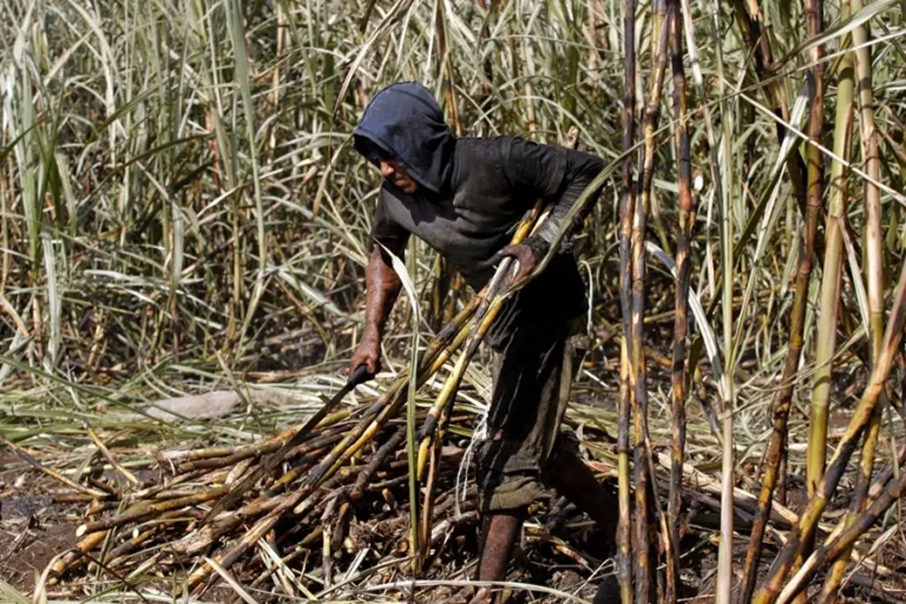
Latin America Reads the Fine Print
For Latin America, the Mexican sugar dispute carries a broader lesson. The region has spent decades being told that trade integration would create stability, investment, and modernization. Sometimes it has. But integration without symmetrical power often produces dependency, accompanied by better paperwork.
Mexico is the region’s most industrially integrated economy with the United States. Yet, the sugar fight shows how even a deeply connected partner can be boxed in when domestic U.S. politics demands it. If Mexico struggles to defend a politically influential sector under USMCA, smaller Latin American economies should read the message carefully.
The dispute also cuts to the heart of Mexico’s own national contradictions. Cane country is traditional, labor-heavy, and often poor. Fructose is found in processed foods, on an industrial scale,, and in cross-border supply chains. The battle between them is also a battle between two models of rural development: one rooted in local harvests and mills, the other in multinational food manufacturing and commodity agriculture.
Neither side is pure. Sugar has health costs, environmental pressures, and labor histories that deserve scrutiny. Fructose is not innocent either, especially in a region already struggling with diabetes, obesity, and unequal access to healthy food. But trade policy rarely begins with public health. It begins with market share.
That silence is revealing. Governments fight fiercely over who sells the sweetener, less fiercely over why so much sweetness has become embedded in cheap calories, school diets, and working-class consumption. In Latin America, nutrition, trade, and inequality often sit at the same table without being introduced to each other.
Cortina said Mexico wants a common market with the United States, with shared rules and entry barriers, so sugar imported into the United States from third countries does not count against Mexico’s quota. The request sounds technical, but it points to the heart of the issue. Mexico wants predictability. It wants the promise of North American partnership to mean something when prices fall and mills feel the squeeze.
Whether Washington listens will say much about the next phase of USMCA. The agreement is no longer young enough to sell on optimism alone. It must now answer harder questions: who absorbs shocks, who controls access, who gets protected, and who is told to compete.
In Mexico’s cane fields, those questions are not abstract. They arrive at a lower price, a smaller quota, a truck waiting at a mill, a family calculating whether the harvest still pays. The sugar war is sweet only in name.
Also Read: Mexico Turns World Cup Mobility Into a Billion-Dollar Test