Cuba Talks Test Washington as Prisoners Become Democracy’s Hardest Currency
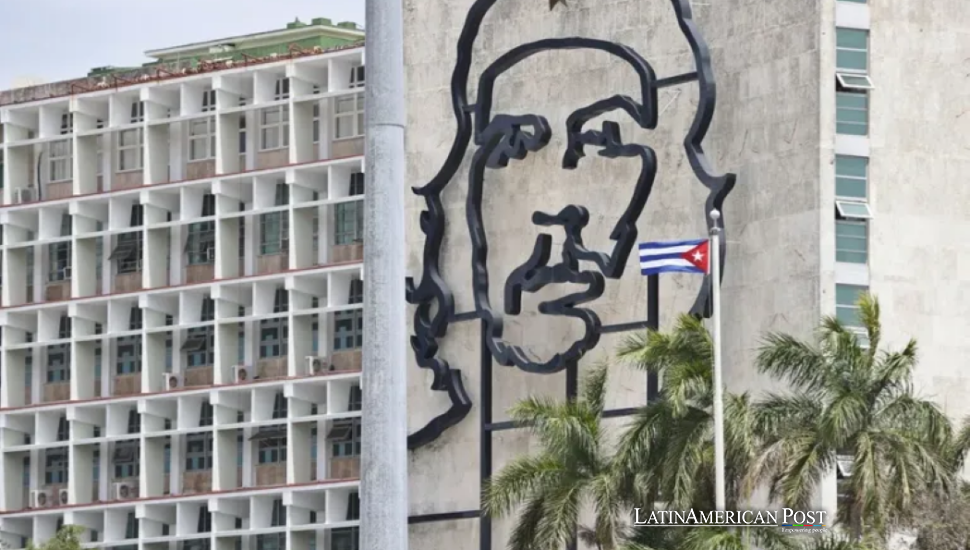
As Washington and Havana circle another negotiation, Cuban rights groups warn that political prisoners, prison hunger, and basic freedoms cannot be traded quietly. The island’s crisis is no footnote. It is Latin America’s test of democratic memory, leverage, and dignity.
Prisoners at the Center
The question hanging over any new conversation between the United States and Cuba is not only diplomatic. It is human, immediate, and locked behind prison doors.
According to EFE interviews with leading organizations that monitor Cuba, human rights, and especially the fate of political prisoners, must sit at the center of any bilateral talks. Not beside migration. Not beneath sanctions. Not after security. At the center.
Johanna Cilano, Amnesty International’s Caribbean researcher, told EFE that any dialogue must place “human rights and the humanitarian needs of all people in Cuba” at its core, without discrimination. For Amnesty, she said, rights are “nonnegotiable,” and Cuba’s future must include accountability, justice, and repair for those living under repression, scarcity, and a lack of basic freedoms.
Javier Larrondo, president of Prisoners Defenders, put it more sharply. Human rights, he told EFE, are “not an optional matter” if the goal is for a country to rise “from its ashes.” No economy, no security plan, no normalization can be durable, he argued, without a freer and more democratic society.
That is the moral heart of the story. But it is also the strategic one. Cuba’s crisis is not merely a confrontation between Havana and Washington. It is a Latin American warning about what happens when political systems lose their capacity to correct themselves, when courts become instruments, when hunger becomes routine, and when prisons become tools for managing dissent.
The numbers are contested, but the pattern is not. Prisoners Defenders says April ended with 1,260 political prisoners in Cuba. Justicia 11J places the number around 800 and says it has confirmed eight deaths in prison since 2023 among people incarcerated for political reasons. Those figures differ because organizations count cases through different methods and thresholds. Yet both point to the same architecture: punishment for expression, association, and peaceful protest.
Camila Rodríguez, director of Justicia 11J, told EFE that the situation remains “deeply worrying.” Recent releases, she warned, do not solve the underlying problem. The structure, she said, remains intact.
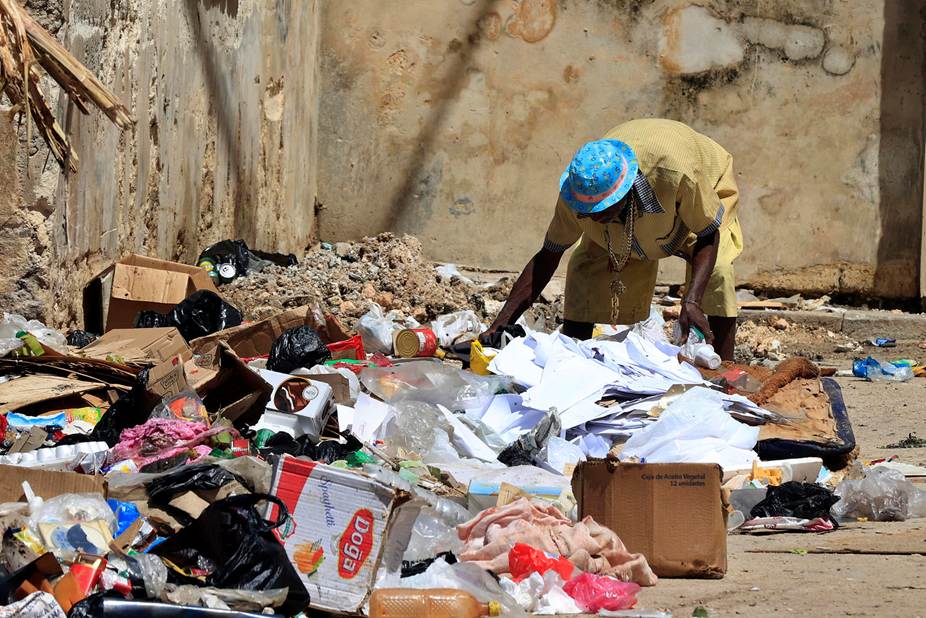
When Hunger Becomes Policy
The prison issue cannot be separated from Cuba’s broader collapse of daily life. The image is familiar now, and devastating: people searching through garbage in Havana, families stretching meals, medicines missing, electricity unstable, young people leaving, older people waiting.
In that landscape, political imprisonment becomes more than a legal abuse. It becomes a message. Do not organize hunger. Do not narrate scarcity. Do not turn private exhaustion into public demand.
Rodríguez told EFE that in Cuba it is still possible to end up in prison for exercising rights that should be guaranteed, including freedom of expression, association, and peaceful assembly. Larrondo described human rights as being at their “worst moment,” with uncontrolled and indiscriminate repression. He also described a “Dantesque” prison environment in which many inmates suffer severe malnutrition.
This is where the debate becomes politically uncomfortable. Amnesty International also rejects external coercive measures that worsen living conditions on the island, Cilano told EFE, referring to U.S. pressure measures including oil restrictions and secondary sanctions. That does not absolve the Cuban state of repression. It complicates the moral terrain.
Latin America knows this trap well. Governments under pressure often blame foreign enemies for domestic failures. Foreign powers, in turn, often defend pressure as solidarity with the oppressed. Between those two scripts stands the ordinary citizen, squeezed by the state at home and by geopolitics from abroad.
Cuba’s rulers have long used sovereignty as a shield. Washington has long used democracy as leverage. The danger is that prisoners become currency between both languages. Cilano warned EFE that incarcerated people cannot be turned into bargaining chips in political negotiations, as has happened before. Releases cannot depend on discretion, favor, or international timing. They must be full, unconditional, and tied to guarantees that persecution will not simply resume under another name.
That point matters for all of Latin America. The region has seen amnesties without truth, transitions without justice, and reforms that open a door only long enough for cameras to enter. A credible Cuba dialogue would have to do more than produce a list of names leaving prison. It would need mechanisms, verification, and space for independent civil society to speak without fear.
Latin America’s Democratic Mirror
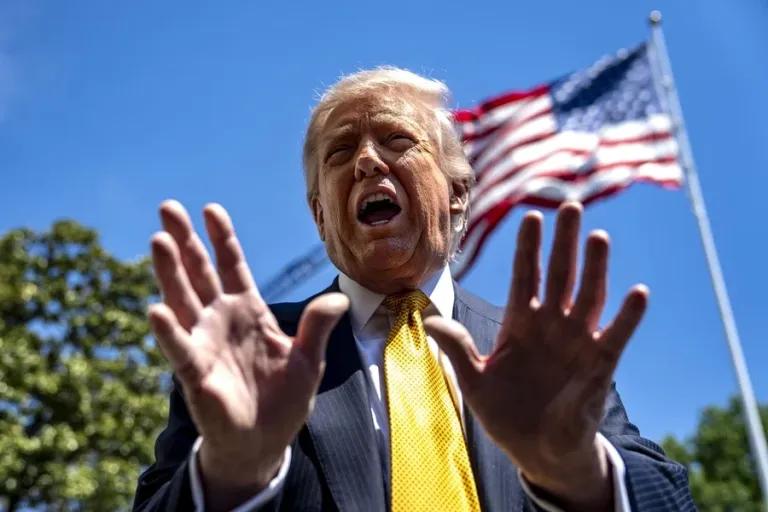
The organizations interviewed by EFE differ in their views of Washington’s commitment. Larrondo believes the United States is prioritizing human rights and says the Trump administration will do everything it can to do so. Rodríguez is less convinced. She sees a real risk that the issue will be pushed aside. She says she does not perceive sustained and proportional pressure from Washington in response to Havana’s refusal to make structural changes.
That disagreement reflects a larger Latin American fracture. Cuba remains a symbol before it is allowed to be a country. For some, it is resistance to U.S. domination. For others, it is the museum of authoritarian socialism. Both frames can flatten the living people inside the island, the prisoners, mothers, lawyers, dissidents, nurses, students, and exiles whose lives do not fit neatly into Cold War nostalgia.
Rodríguez insists that independent civil society and human rights groups must be part of any credible conversation. Any agreement, she told EFE, should include the full and unconditional release of political prisoners, guarantees of nonrepetition, and a verifiable commitment to fundamental freedoms.
Larrondo also turned his criticism toward Europe, especially Spain, calling for public and effective pressure after what he described as a decade without practical impact on Cuban human rights. His argument is blunt: if Washington is often accused of instrumentalizing Cuba, Europe has sometimes done the opposite, preferring managed ambiguity to confrontation.
For Latin America, Cuba is not only an island crisis. It is a regional mirror. It asks whether sovereignty can coexist with accountability, whether social justice can survive without liberty, and whether diplomacy can protect human beings rather than rearrange them.
The answer will not come from one meeting. It will come from whether the next negotiation begins with the people Havana would rather keep invisible. In Cuba, the future is not abstract. It has names. It has prison numbers. It has families waiting outside the gates.
Also Read: Cuba’s Garbage Crisis Turns Havana Streets Into a Geopolitical Warning