Mexico’s Avocado Trade Turns Green Gold Into Cartel Battlefield and Bargaining Chip
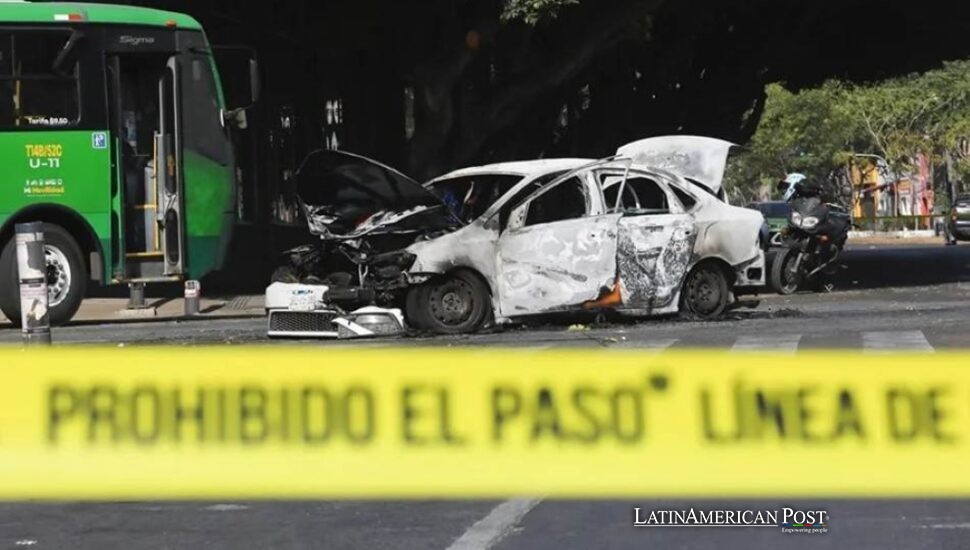
The death of an extortion boss in Michoacán exposes the hidden toll inside Mexico’s avocado trade, where growers, packers, inspectors, and American consumers are linked by a supply chain guarded as carefully as any strategic border crossing today at harvest.
The Price Hidden Beneath the Peel
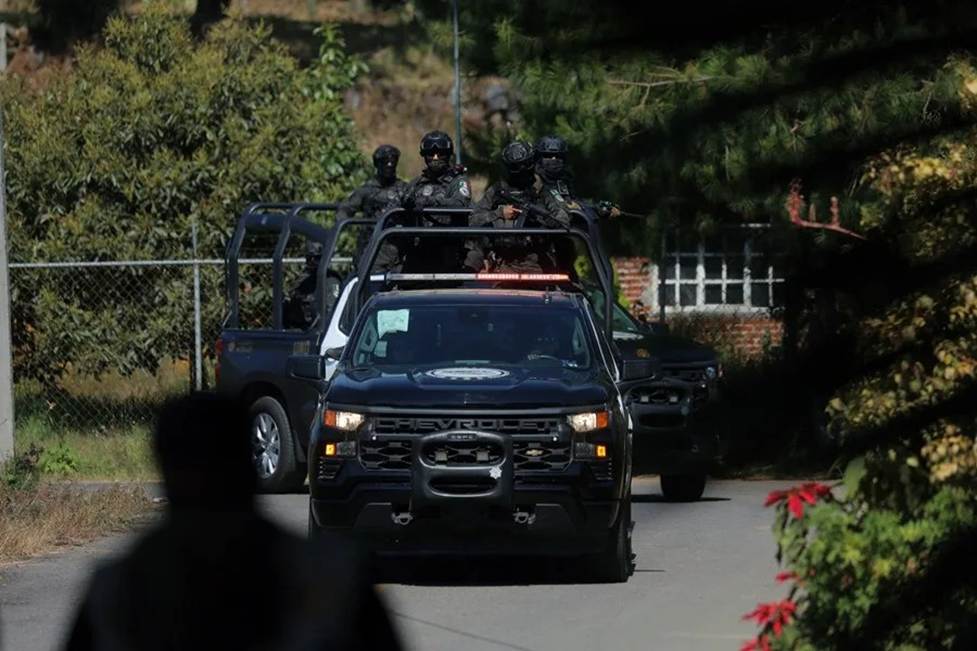
In Tocumbo, a town folded into western Michoacán’s avocado country, the government says Luis Enrique Barragán Chávez died after gunmen attacked federal forces during an intelligence operation. Better known as El Güicho or R5, Barragán was identified by Mexican authorities as the leader of the Los Reyes Cartel and the principal coordinator of extortion against avocado growers in the region.
The United States had offered three million dollars for information leading to his arrest over alleged drug and weapons trafficking. He also faced a provisional extradition order. His death came weeks after the capture of another senior Los Reyes figure, Alfonso Fernández Magallón, known as La Quiringua or El Poncho, whose detention left Barragán with greater control.
Together, the operations look decisive. Yet in Michoacán, removing a boss is not the same as removing the business model that made him powerful.
That model begins with a simple fact. Avocados are valuable, visible, and difficult to hide. Orchards stay rooted in place. Packing houses operate on schedules. Trucks follow known roads. Exporters depend on inspections, refrigeration, permits, and border crossings. Every step creates a point where armed groups can demand payment.
The victims are not only wealthy landowners. They include small producers watching a season’s income ripen on trees, drivers carrying loads worth more than they may earn in years, packing employees whose shifts disappear when exports stop, and shopkeepers who know refusing a demand can bring gunfire to the door.
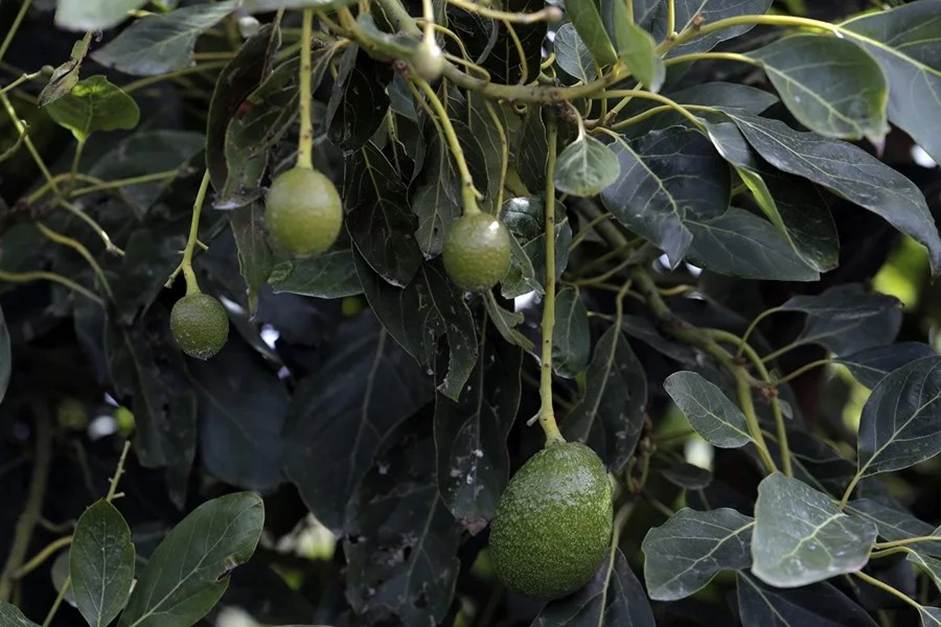
This is why the avocado is called green gold. The phrase celebrates prosperity, but it also describes exposure. Gold attracts taxation. In parts of Michoacán, the tax collector may arrive without a uniform.
A Supply Chain With Armed Checkpoints
Mexico supplies about 80 percent of the avocados imported by the United States. In 2025, exports to the American market reached roughly $3.65 billion. Shipments during the first four months of the following year rose 35 percent from the same period a year earlier. Around 200,000 jobs in Michoacán are tied to the crop.
Those figures explain why violence in Los Reyes, Peribán, Tingüindín, Tocumbo, and Cotija does not remain local. A threat issued on a rural road can reach a supermarket in Chicago or Miami through delayed inspections, suspended packing operations, and uncertainty across the supply chain.
Earlier this month, the United States suspended government operations in Michoacán, including mandatory avocado inspections, after citing a threat to American interests. The alert did not publicly identify the danger. State officials said they knew of no direct threat against inspectors, but Mexico deployed about 300 security personnel while authorities worked to restore conditions for inspections.
Similar pauses have happened before. Each reveals the unusual architecture of this trade. Mexican fruit grown on Mexican land cannot move freely into its largest market without American personnel working inside territory contested by criminal organizations. Inspectors are not soldiers, yet their safety can determine whether a multibillion-dollar flow continues.
That gives local cartels leverage beyond the orchards. They do not need to control trade policy. They only need to make one inspection zone unsafe enough that Washington withdraws its employees. The result can resemble an embargo produced by criminal intimidation.
Los Reyes is linked to Cárteles Unidos, an alliance formed to fight the Jalisco New Generation Cartel for territory. The United States designated both as foreign terrorist organizations in February 2025. The label raises the stakes, but it does not change extortion’s daily mechanics. A grower still receives a call. A family still decides whether reporting it is more dangerous than paying.
Soldiers can guard a packing house. They cannot permanently replace trustworthy local police, protected prosecutors, functioning courts, or financial investigators able to trace extortion money.
Killing a Boss Cannot Secure a Harvest
Barragán’s death may disrupt collections, communications, and command. It may also create a vacancy.
Mexican criminal groups have repeatedly shown that leadership losses can fragment organizations rather than dissolve them. One faction may inherit the phone lists. Another may control the roads. Younger gunmen may compete through visible violence. For producers, fragmentation can mean paying more than one group for the same promise of protection.
The arrest of La Quiringua followed by Barragán’s death illustrates that danger. Authorities identified a succession and moved quickly. But the speed with which one leader replaced another shows that the extortion economy is larger than any individual.
A durable strategy would treat avocado security as economic infrastructure, not merely cartel hunting. It would protect confidential reporting, investigate corrupt officials, monitor land transactions, trace payments, secure transport corridors, and keep inspectors from becoming bargaining chips. Hundreds of officers can stabilize a region for a week. Harvests return every year.
The United States has a stake because its consumers and companies benefit from the trade. Yet Washington’s role should not turn Michoacán into an external security perimeter organized around American demand. Mexican sovereignty and worker safety require more than keeping guacamole affordable.
The deeper issue is who captures the boom. Mexico earns billions from avocado exports, but criminal groups have inserted themselves between growth and the communities producing it. They privatize fear while the state socializes the cost through deployments, interrupted commerce, and lives lived under threat.
El Güicho is dead. The orchards remain. So do the roads, packing houses, inspectors, and families waiting for the next call. The future of Mexico’s avocado trade will not be decided by whether one cartel leader fell, but by whether the state can make an ordinary harvest feel ordinary again.
Also Read: Venezuela Signs Away a Century to Fuel America’s Oil Ambitions