Chile’s Colo Colo Bets on Vozinha as World Cup Virality Rewrites Stardom
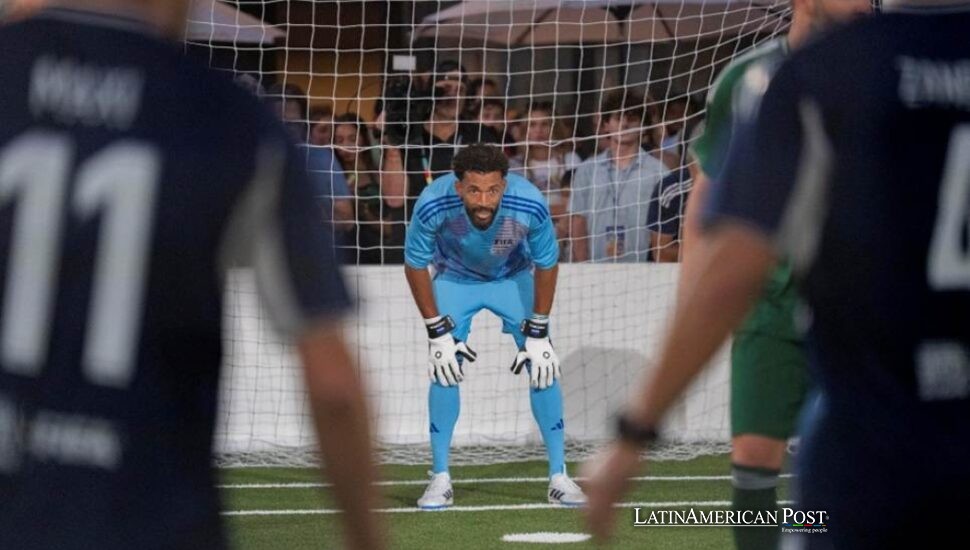
At 40, Cape Verde goalkeeper Vozinha arrives at Colo Colo carrying World Cup heroics, nearly 30 million followers and a career spent far from glamour, forcing Chilean soccer to reconsider how fame, age and global attention now create sporting value.
A Star Made in Forty Years
Before the World Cup, Josimar José Évora Dias was known mostly to people who followed Cape Verde through African tournaments, Portugal’s second division, Cyprus, Slovakia, Moldova and Angola. Then Spain kept shooting at him.
Vozinha, as the goalkeeper has been called since his years in Angola, made seven saves in Cape Verde’s scoreless draw against the eventual champion. At 40 years and 12 days, he became the oldest player to appear in a nation’s first World Cup match. He later stopped eight shots against defending champion Argentina before Cape Verde fell 3-2 in extra time.
The tournament turned a respected professional into a global figure. FIFA supporters voted him into the World Cup’s ideal team. His social media following rose toward 30 million, surpassing the audience attributed to Spanish legend Iker Casillas. In Chile, his free-agent signing by Colo Colo was described as a media “bombazo,” according to EFE.
The word fits, but only partly. Bombazo suggests a blast from nowhere. Vozinha’s fame was sudden. His career was not. It began in São Vicente and moved through leagues where reputations are built without global cameras, often on modest salaries and contracts that do not make international news.
That makes the signing different from the celebrated arrivals in Colo Colo’s history. Iván Zamorano returned in 2003 carrying Real Madrid and Inter Milan on his résumé. Mario Kempes brought the aura of a world champion. Arturo Vidal came home after starring for Juventus, Bayern Munich, Barcelona and Inter Milan. Vozinha reaches Santiago without comparable club prestige, but with something increasingly valuable: a story the world has already chosen to share.
Colo Colo Learns the New Currency
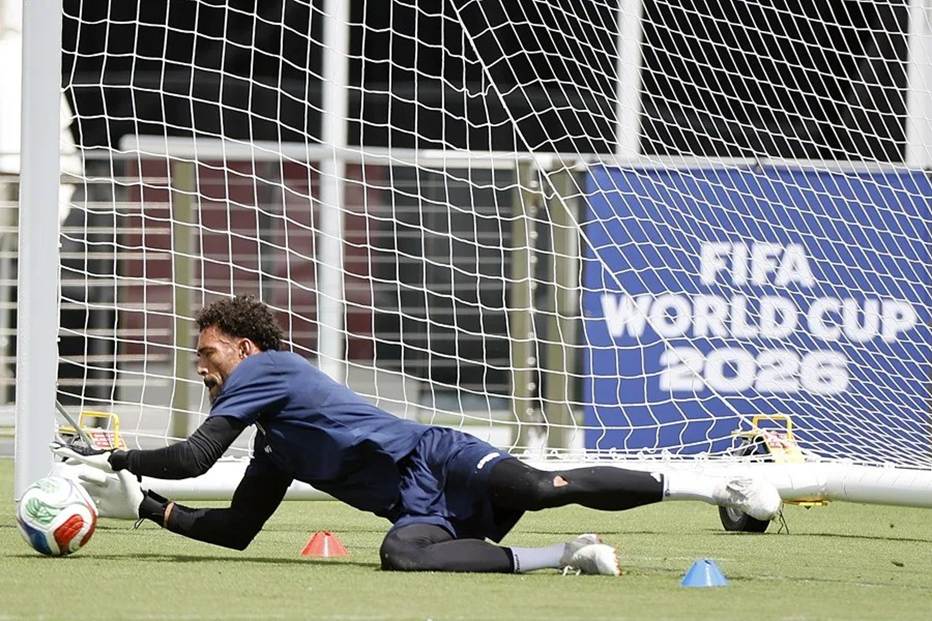
For Colo Colo, this is not merely a sentimental wager. Vozinha produced eleven clean sheets for Chaves in Portugal’s second tier during the 2024-25 season and has repeatedly excelled against penalties. His World Cup was not a viral accident detached from performance. The saves came first. The virality followed.
Still, the attention changes the calculation. Chilean clubs cannot routinely compete with European wages, and the domestic league struggles for international visibility beyond rivalry matches and continental tournaments. Vozinha offers an unusual shortcut into the global conversation.
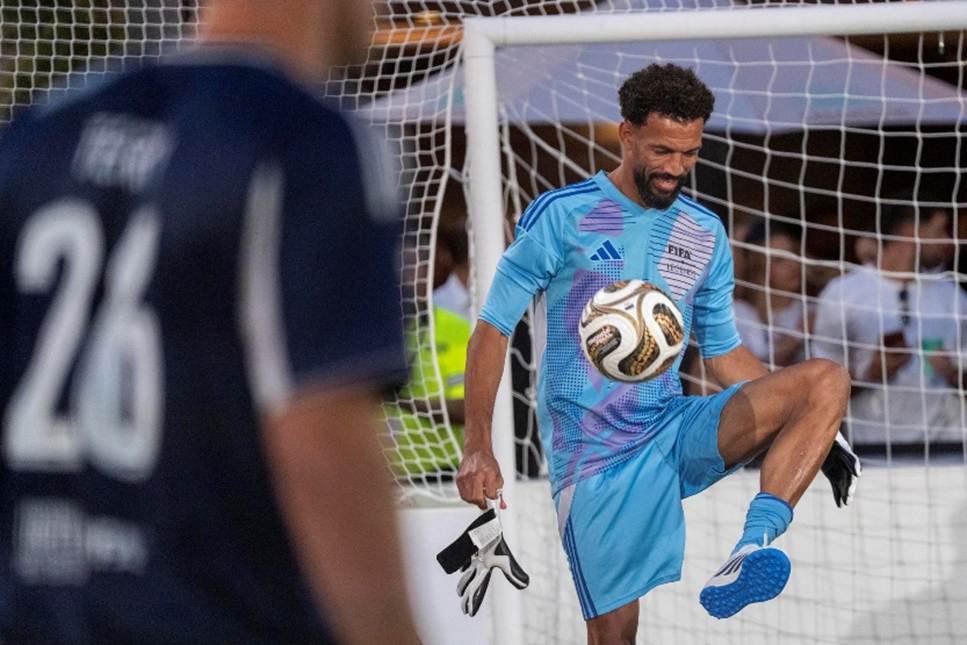
Every save, training clip and stadium appearance can now circulate among millions who previously had little reason to watch Chile’s Liga de Primera. That audience can lift merchandise sales, sponsorship exposure and streaming interest while extending Colo Colo’s reach into African and Portuguese-speaking markets.
The comparison with Vidal’s 2024 presentation is revealing. Colo Colo lowered the Chilean midfielder from a helicopter, dressed him like a medieval king and placed him on a black horse. European media called the spectacle surreal. The club designed a ceremony large enough to contain fame that already existed.
Vozinha’s challenge is the reverse. His fame exploded before the institution had time to script it. Colo Colo must turn curious followers into viewers and a World Cup moment into lasting attachment. That is harder than counting Instagram accounts.
Virality is unstable. A player can dominate conversation in June and vanish from algorithms by September. Goalkeepers are especially exposed because one mistake can travel as quickly as eight saves. At 40, Vozinha will be judged against both opposing strikers and the heroic version of himself created during Cape Verde’s run.
Yet his age may be less troubling than it appears. At AEL Limassol, he helped end a 30-year cup drought. At Trenčín, he mentored younger players while helping the club avoid relegation. With Cape Verde, he captained the campaign that delivered the country’s first World Cup qualification. Those are not influencer credentials. They are institutional ones.
Chile Welcomes an Atlantic Football Story
There is another reason the transfer matters. Vozinha connects Chilean soccer to a history that does not run only through Europe or neighboring South American powers.
Cape Verde’s game was shaped by African talent, Portuguese colonial history, island migration and the movement of players through smaller leagues. Chile has its own football geography of distance, ports, departures and returns. Both countries sit on long coastlines facing oceans that have carried labor, culture and ambition outward.
Vozinha’s name contains that history. His parents wanted to call him Valdano after Argentina’s Jorge Valdano, but Cape Verdean authorities did not allow it. They named him Josimar after the Brazilian fullback who became famous at the 1986 World Cup. Decades later, a goalkeeper named for South American football will play for Chile’s most recognizable club after becoming a hero against Spain and Argentina.
The circular journey gives the move a Latin Lore quality. The overnight sensation was forty years in the making. The man with millions of followers spent most of his career in places the global game treats as peripheral. His route to Santiago passed through Mindelense, Zimbru, Gil Vicente, Limassol, Trenčín and Chaves.
For Chile, the signing tests whether local football can use global attention without becoming captive to it. Colo Colo needs Vozinha to stop shots, command defenders and withstand expectations created by one extraordinary month. Vozinha needs competitive meaning after the tournament that changed his life.
Zamorano returned as a beloved son. Vidal returned as a king. Vozinha arrives as something stranger and more contemporary: a veteran outsider made famous by evidence captured in real time.
If he succeeds, Colo Colo will not simply have signed the World Cup’s viral goalkeeper. Chile will have recognized a new kind of star, one whose greatness remained hidden until the whole world finally looked.
Also Read: Colombia’s Escarabajos Vanish from Tour Mountains That Forged Their Legend