Peru Confronts Nazca Air Tragedy and Tourism’s Safety Blind Spot
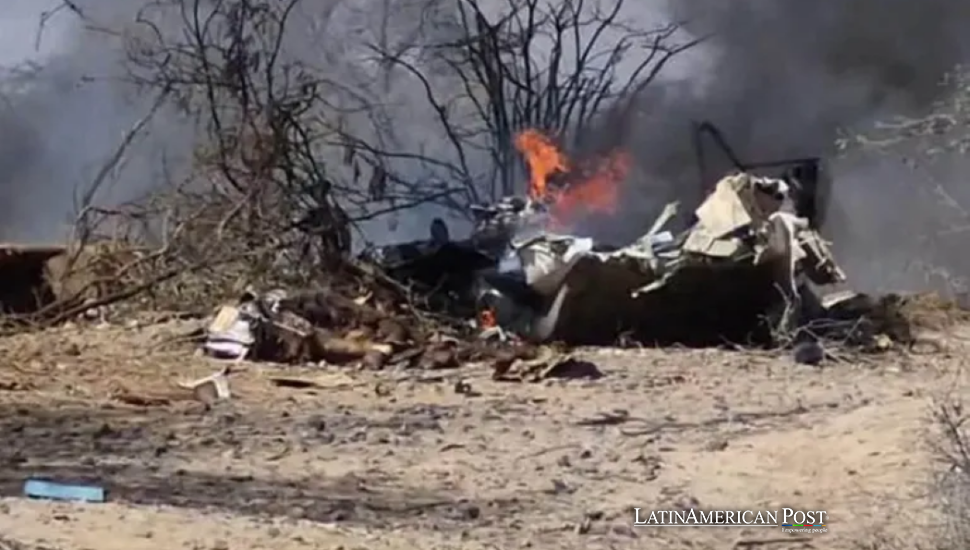
A sightseeing flight over Peru’s ancient Nazca Lines ended with 13 deaths, exposing a danger: tourism economies often expand faster than aviation oversight, leaving regulators to investigate tragedy after tragedy instead of building systems strong enough to prevent them beforehand.
The Silence After the Emergency Call
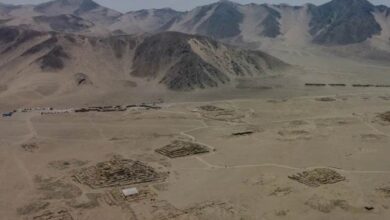
The flight was supposed to offer wonder from above. Below, the Nazca Lines stretched across Peru’s southern desert, immense figures cut into the earth centuries ago and best understood from the sky. Then the crew reported an emergency.
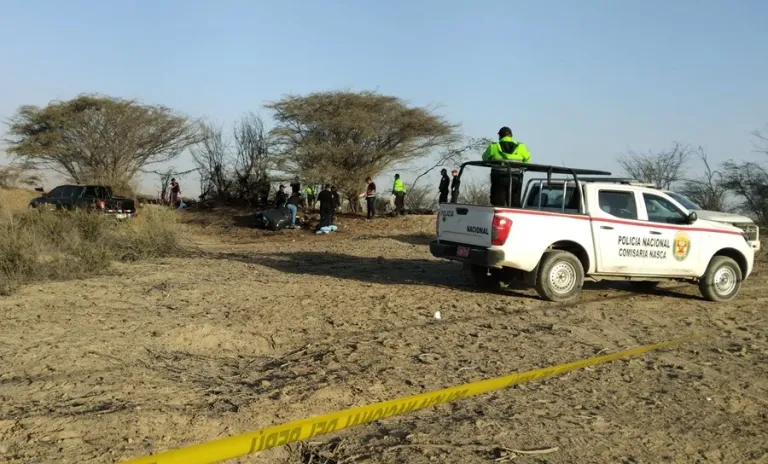
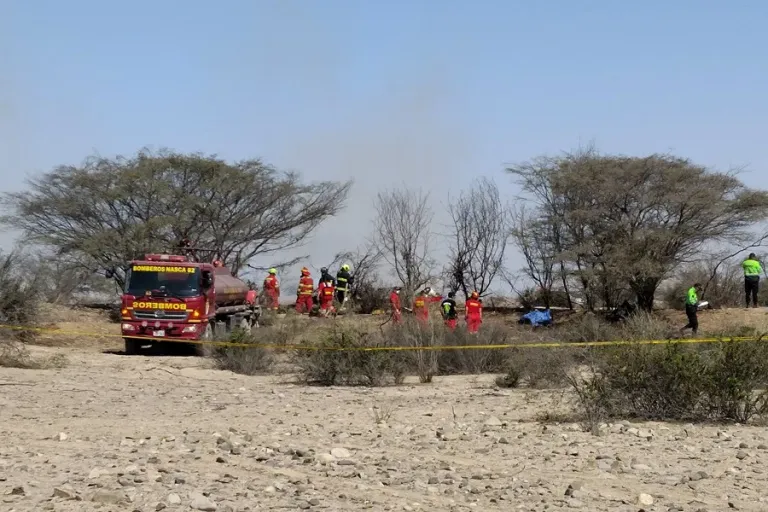
The Cessna Gran Caravan C-208 had departed from Pisco around noon Saturday carrying 11 tourists and two Peruvian crew members. Near Socos, roughly two kilometers from the Nazca aerodrome, the crew told air traffic control that the aircraft was in trouble. Radio contact vanished. Firefighters, police, and civil aviation personnel reached the crash site. There were no survivors.
Seven Italians, two Spaniards, two Germans, and two Peruvians died.
Peru’s Directorate General of Civil Aviation suspended Aerodiana’s operations while inspectors determine whether the company complied with aviation rules and operating conditions. The Air Accident Investigation Commission is separately examining the cause, gathering records, interviewing witnesses, studying the wreckage, and trying to recover an onboard memory card that may contain operational data.
According to EFE, Tourism Minister Rogers Valencia said the aircraft had reported “mechanical problems” before contact was lost. That matters, but it is not a conclusion. A mechanical emergency can begin with a defective component, missed maintenance, improper installation, pilot response, or several failures unfolding together. Until investigators reconstruct the sequence, blame remains premature.
CORPAC, Peru’s airport and aviation communications authority, said ground-to-air systems at Nazca remained operational and recordings were preserved. Pisco airport also remained open because it serves as an alternate terminal for Lima’s Jorge Chávez airport. Those facts narrow some questions. They do not answer why a licensed aircraft operated by a certified company did not return safely.
Latin America’s Tourism Growth Outruns Its Safeguards
This is where the crash becomes more than a Peruvian tragedy. Across Latin America, tourism is sold through distance, altitude, wilderness, and historical mystery. Visitors fly over deserts, cross jungle rivers, land near glaciers, and travel where geography itself is the attraction. The same remoteness that creates wonder complicates inspection, maintenance, rescue, and emergency response.
Small aviation is indispensable to that economy. It connects isolated communities and opens landscapes unreachable by road. Yet smaller operators may face pressures larger airlines absorb more easily. A grounded aircraft means lost revenue. A delayed part can erase days of business. Seasonal demand encourages tight schedules. Regulators, meanwhile, may cover vast territories with limited budgets, allowing supervision to become centered on documents rather than daily risk.
That does not mean every operator is unsafe, or that small aircraft are inherently reckless. It means certification cannot be treated as the end of oversight. Valencia emphasized that Aerodiana held legal authorization. The crash shows why legality and safety are related but not identical. A permit proves requirements were met at a particular moment. Safety depends on whether those standards remain alive in maintenance hangars, pilot decisions, dispatch procedures, and management culture.
The regional problem deepens when investigations produce findings but little institutional memory. Unless recommendations are public, tracked, and shared across borders, the next operator may learn nothing from the last wreckage.
The cost reaches beyond aviation. Nazca depends on trust. A traveler boarding a sightseeing aircraft is also deciding whether Peruvian institutions can protect a life entrusted to them. Valencia said Peru faced the challenge of rebuilding tourism and insisted the country had safety protocols. But confidence will not return through declarations alone. It must be earned through evidence.
Safety Must Be Built Before the Next Takeoff
The first solution is institutional independence. Accident investigators must be protected from pressure by ministries responsible for promoting tourism or supervising the operators under examination. Their job is not to defend Peru’s image or assign criminal guilt. It is to establish what happened and prevent recurrence.
The final report should be public, searchable, and written in language families and passengers can understand. Recommendations should name responsible agencies, set deadlines, and include published compliance updates. A finding without follow-through becomes only an archive.
Oversight must also move beyond periodic paperwork. Regulators need risk-based inspections that examine maintenance histories, repeated defects, pilot duty hours, training records, spare-part traceability, and pressure to fly under marginal conditions. Operators on high-volume tourist routes should use flight-data monitoring whenever technically feasible, even when aircraft are not required to carry full airline-style recorders.
Latin American countries can pool resources. Regional teams could share specialist investigators, laboratory capacity, maintenance intelligence, and safety alerts for aircraft types operating across several nations. Many agencies cannot sustain every technical specialty alone. Cooperation would cost less than repeatedly importing expertise after people die.
Tourism authorities should publish operator safety information, require clear passenger briefings, strengthen insurance and compensation protections, and stop treating safety records as commercially inconvenient. Travelers deserve more than a ticket and a view.
Aerodiana’s suspension is a necessary precaution, not a verdict. Any reopening should depend on transparent findings and verified corrections, not economic urgency.
In EFE images from the scene, firefighters and police worked amid wreckage beneath the desert sky. The Nazca Lines endured nearby, as they have through centuries of conquest, neglect, and rediscovery. The people aboard did not.
Peru now owes their families more than condolences. It owes them an investigation strong enough to change what happens before another aircraft leaves the ground.
Also Read: Colombian Mercenaries Carry Colombia’s Old Wars into Sudan’s Stolen Childhoods