Argentina Locks Its Budget as Milei Rewires the Central Bank
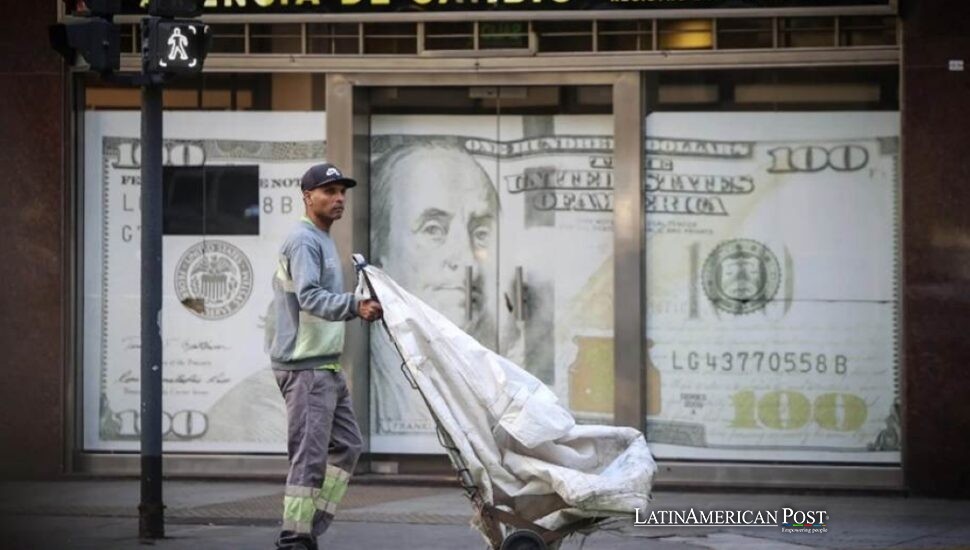
Javier Milei wants Argentina’s fiscal discipline written into law, its Central Bank narrowed to fighting inflation, and government operations suspended when deficits persist, converting his austerity experiment from presidential policy into a durable framework future administrations would struggle to reverse.
The Presidency Builds a Lockbox
In Buenos Aires, the language sounds technical: a fiscal shackle, zero monetary issuance, a revised Central Bank charter. Beneath those phrases lies a larger ambition. President Javier Milei is trying to turn the emergency program he began in late 2023 into a permanent government architecture.
His proposed fiscal rule would forbid Argentina from approving or maintaining a deficit-financed national budget. If public accounts remained in the red for several consecutive months, Congress would have limited time to restore balance. Failure would trigger an automatic shutdown of nonessential federal operations.
New spending would stop. Contracts would not be awarded. Hiring would freeze. Transfers to the provinces would be suspended. The president, cabinet ministers, secretaries and lawmakers would also lose their salaries.
That provision gives the proposal a populist sting. Milei presents austerity as a penalty for the political class, not only for pensioners, public employees, or provincial governments. Yet poorer provinces, where national funds support hospitals, schools and payrolls, would still carry heavier consequences.
Argentina’s federal system depends on bargaining over money. Governors negotiate with presidents, presidents seek congressional votes, and transfers become political leverage. A shutdown would not remove politics. It would place a legal countdown over negotiations shaping life far beyond Buenos Aires.
Milei can point to a measurable result. Argentina recorded a primary fiscal surplus of 0.6 percent of gross domestic product during the first half of the year. His administration has cut spending and reduced the state with unusual severity.
The harder question is whether crisis methods should bind every future recession or emergency. A balanced-budget rule may restrain chronic overspending, but it can also force cuts when revenue falls and public need rises. Milei’s shackle is designed to restrain politicians. In a downturn, it could restrain the state itself.
One Bank, One Mandate
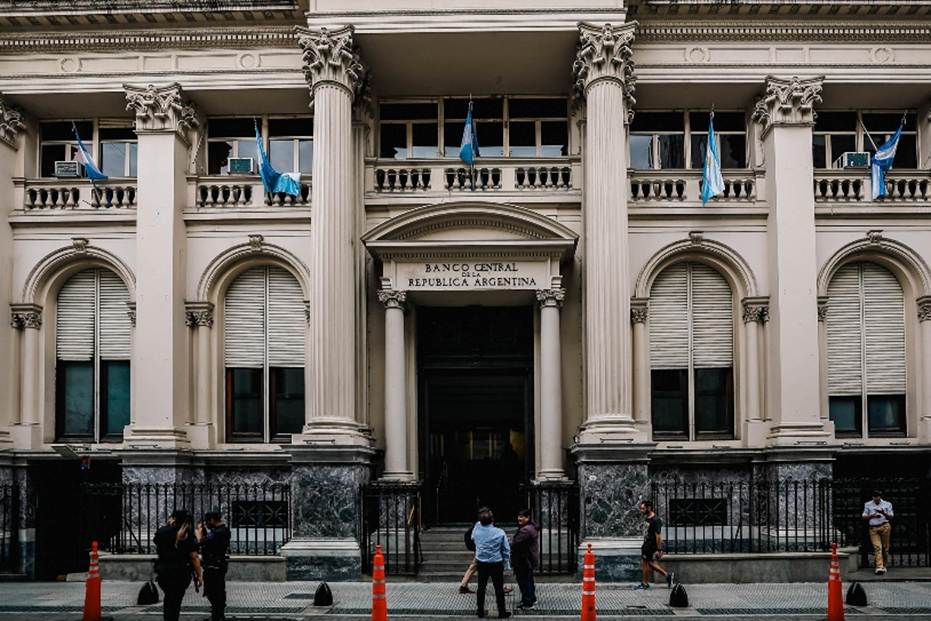
The second pillar targets the Central Bank of the Argentine Republic. Its original 1992 charter made preserving the currency’s value its primary mission. In 2012, under Cristina Fernández de Kirchner, lawmakers added financial stability, employment and economic development with social equity.
Milei wants to restore a single objective: defending the peso, which, in practice, means focusing the bank on inflation.
The contrast is deeply Argentine. Peronist thinking treats credit, employment and development as public responsibilities. Milei sees that broader mission as an invitation to political interference and deficit financing. Where one tradition sees a development tool, the other sees machinery for destroying the currency.
Inflation gives Milei his strongest evidence. Annual inflation fell from 289.4 percent in April 2024 to 33.5 percent in June. For families trained to recalculate groceries, rent, and wages constantly, that decline is substantial.
Still, disinflation has stalled since August 2025. The plateau suggests that ending direct monetary financing and crushing demand may have been easier than reducing inflation further without suppressing consumption, investment and household income.
The proposed charter would prohibit the Central Bank from issuing money to finance national, provincial or municipal governments. It would bar purchases of national debt in the primary market, restrict dividends and allow profits to reach the Treasury only for debt cancellation.
That closes a loophole. Under Milei, the bank no longer directly prints money for the Treasury, but it has transferred profits that eventually enter circulation. The reform attempts to make “zero issuance” a legal condition rather than an executive promise.
It would also protect Central Bank authorities from political turnover. Although the charter provides six-year terms, Argentina has had 15 bank presidents since 1992, averaging roughly two years each. Milei would require two-thirds approval in both chambers of Congress to remove them.
Longer tenure can reduce pressure, but independence also depends on appointments, transparent accounts and credibility. Milei’s proposal strengthens removal protections while leaving appointments in the president’s hands, subject to Senate approval. It builds a thicker door, but the government still chooses who enters.
A Reform Designed to Outlive Milei
The International Monetary Fund has requested changes strengthening Central Bank independence and safeguards against monetary financing. The demand appeared during the second review of Argentina’s extended fund agreement signed in April 2025. IMF Managing Director Kristalina Georgieva met Milei in Buenos Aires this week.
That alignment gives the package international backing and domestic vulnerability. In Argentina, the IMF has carried out decades of adjustment programs, fueling resentment and memories of the 2001 collapse. Milei can argue that credibility is necessary to escape borrowing, printing and inflation. Opponents can say an external creditor is again defining the limits of democratic economic policy.
The package tries to settle arguments Argentina has never settled. What is the Central Bank for? How much room should elected governments have to spend during crisis? Should employment stand beside price stability, or must every objective yield to the currency?
Milei’s answer is severe and coherent. Money must not finance politics. Deficits must trigger consequences. Central bankers must be shielded from electoral swings. The state must live within limits future politicians cannot easily rewrite.
But institutional locks distribute risk and pain. A fiscal shackle may protect savers while exposing provinces to abrupt cuts. A single-mandate bank may defend the peso while treating unemployment as someone else’s problem. A shutdown may discipline Congress while closing services for citizens who never voted on the impasse.
Milei is no longer merely shrinking Argentina’s state. He is attempting to redesign its reflexes so that, after he leaves office, the government will tighten before it spends, stop before it borrows, and fear inflation more than political revolt.
Also Read: South America Courts Korea as Minerals Rewrite the Global Order