Venezuela Returns to Dialogue After Ruin, Revolt, and Repeated Betrayals
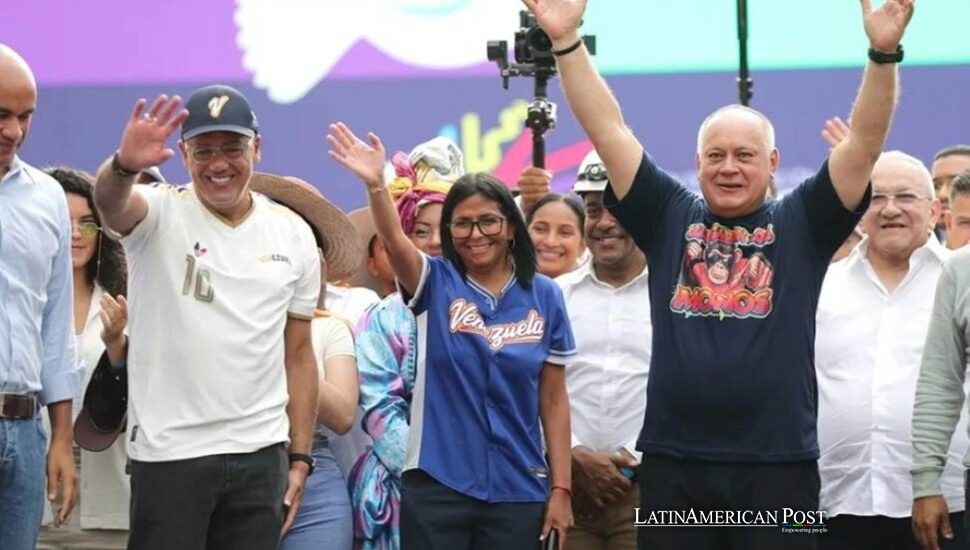
Venezuela enters its ninth government-opposition dialogue on August 1, scarred by Nicolás Maduro’s capture, catastrophic earthquakes, and twelve years of broken accords. Dinorah Figuera and Jorge Rodríguez now inherit a negotiating table crowded with ghosts, exclusions, and demands across Venezuela.
A Table Set Among Rubble
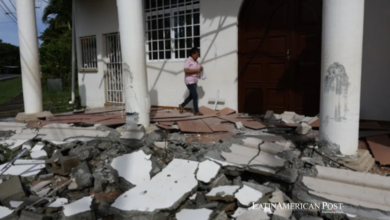
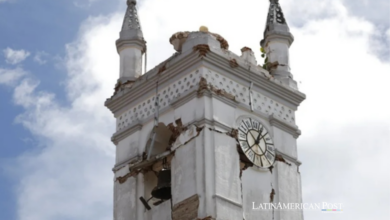
The talks open in a country where politics can no longer be separated from debris. More than 5,500 people died in the twin earthquakes of June 24, at least 16,740 were injured, and nearly 18,000 lost their homes. Reconstruction is a missing relative, a collapsed apartment, a mattress beneath plastic, a school that cannot reopen.
Venezuela was already living through a historic rupture. U.S. forces captured Maduro on January 3, and his former vice president, Delcy Rodríguez, became acting president. The dialogue is now a struggle over what survives after his removal, who can credibly represent the opposition, and whether disaster recovery becomes common ground or political currency.
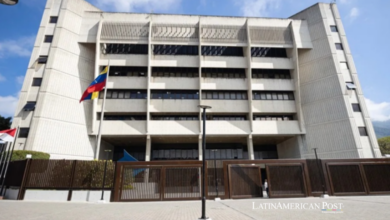
Washington unexpectedly placed Figuera, a former legislator who claims continuity for the opposition-controlled National Assembly elected in 2015, at the center of the process. She will negotiate with Jorge Rodríguez, president of the Chavista-controlled legislature and the acting president’s brother. Their first public meeting in June centered on democratic institutions, the electoral authority, political participation, and civic freedoms.
The pairing exposes Venezuela’s fractured legitimacy. Figuera carries the memory of an elected assembly stripped of practical power. Rodríguez carries the machinery of a state that survived sanctions, protests, isolation, and Maduro’s capture. One has an institutional claim without territorial command—the other commands institutions without broad democratic trust.
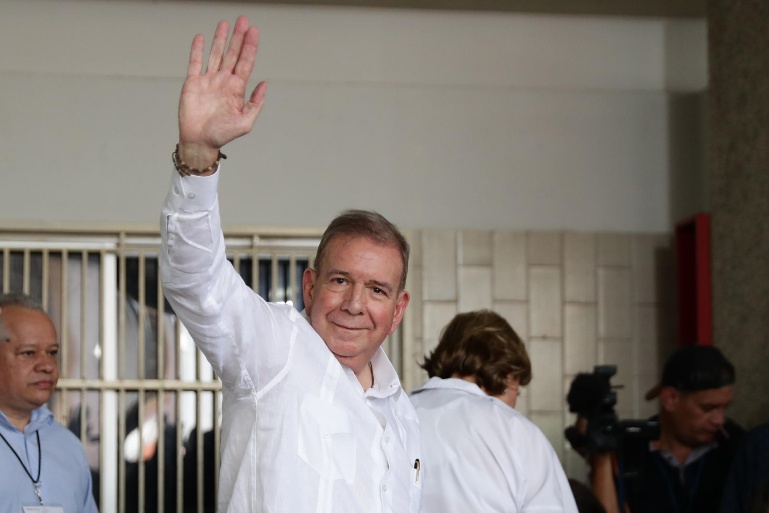
María Corina Machado and Edmundo González Urrutia, both outside the country, will not participate. They say they did not design the process and want measurable results, including the release of political prisoners, electoral guarantees, and a presidential timetable. Their absence may simplify the room. It also makes any agreement harder to sell to Venezuelans who see them as the opposition’s central voices.
Twelve Years Around the Same Table
The pattern began in 2014, amid protests that left 43 people dead. UNASUR and the Vatican brought Henrique Capriles and Maduro’s government together, but the opposition withdrew after accusing officials of failing to honor commitments. A second Vatican-backed process in 2016 collapsed as the opposition demanded a recall referendum.
Santo Domingo followed in 2017 and 2018. Julio Borges faced Jorge Rodríguez, with Delcy Rodríguez beside her brother and several Latin American governments supporting mediation. Elections were again central. The opposition departed after concluding that competitive conditions would not be guaranteed. (Infobae)
Norway moved the conflict to Barbados in 2019, where representatives of Juan Guaidó sought a new presidential election. Those talks stalled. The government then opened a separate channel with smaller opposition parties, revealing a recurring Chavista advantage: negotiation could divide its adversaries as effectively as reconcile them. Staying brought recognition and leaving risked isolation.
Mexico became the venue in 2021. The opposition wanted electoral guarantees, while Chavismo wanted sanctions lifted. Negotiations stopped after Alex Saab, accused by U.S. prosecutors of laundering money for Maduro, was extradited to the United States. When talks resumed in 2022, Washington allowed Chevron to restart limited operations, showing how oil licenses had become bargaining chips.
The 2023 Barbados agreement was meant to prepare the 2024 presidential election. Within months, Maduro called it “mortally wounded” over alleged assassination plots. The opposition cited candidate bans, including Machado’s disqualification, as evidence that Chavismo had broken the pact.
Venezuela never lacked mediators, foreign capitals, or ceremonial handshakes. It lacked enforcement. The opposition was asked to trust future electoral concessions. The government was asked to surrender sanctions relief without knowing whether it could retain power. Each feared that moving first would destroy its leverage. Agreements became bridges neither side wished to cross.
A Transition Missing Its Main Voices
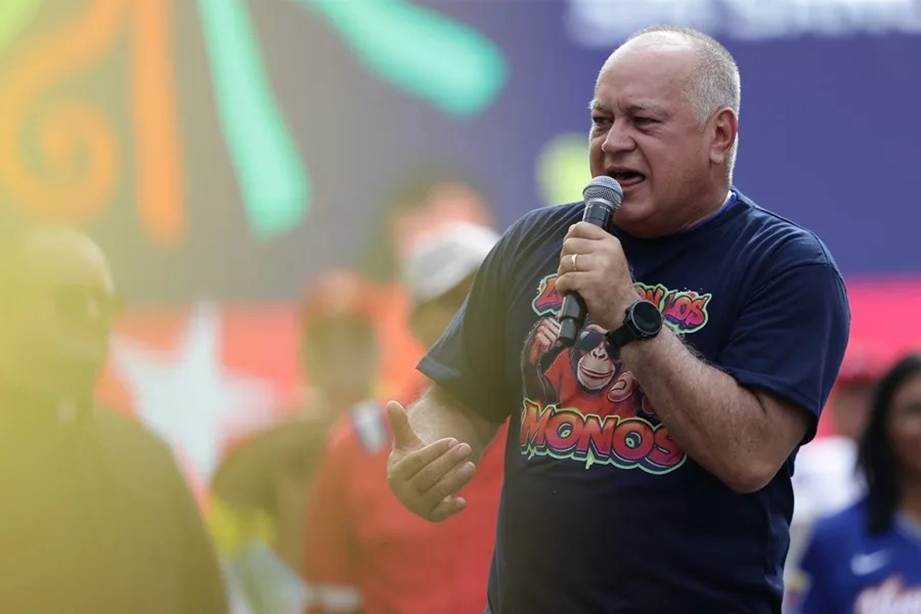
This ninth attempt begins with a different balance, but familiar machinery. Maduro is gone from office, yet Chavismo still controls ministries, security bodies, the legislature, and much of the state. Jorge Rodríguez provides continuity. He also embodies the question haunting every negotiation since 2014: Is Chavismo discussing a democratic transfer, or arranging the terms of its survival?
The United States can convene the parties, adjust sanctions, redirect oil policy, and condition reconstruction aid. It cannot manufacture Venezuelan legitimacy. Latin America remembers transitions designed in Washington, and even opponents of Chavismo may resist the appearance that a foreign government selected the acceptable opposition and wrote the timetable.
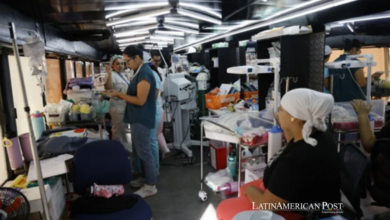
The earthquakes make delay harder to defend. Families without homes cannot wait for constitutional theory. Hospitals, schools, water systems, and local governments need coordination now. Yet urgency is dangerous when aid, recognition, and electoral concessions occupy the same table. Reconstruction cannot become payment for silence, and relief cannot depend on political obedience.
Escaping the old cycle will require more than another signed document. Commitments need dates, independent verification, and consequences when violated. Electoral institutions cannot be rebuilt through a photograph of two negotiators, especially while Machado and González remain outside the room. Nor can Venezuela’s future be reduced to removing officials, as though oil dependence, inequality, migration, and Chavismo’s social roots vanished with Maduro.
The August 1 table carries twelve years of suspicion and weeks of fresh grief. Its meaning will be measured far from the negotiating room: in whether displaced families receive housing without political tests, whether exiles and prisoners recover rights, whether candidates can compete, and whether an agreement survives once compliance becomes inconvenient.
Venezuela has talked before. This time, dialogue cannot be theater. The rubble is too real.
Also Read: Colombia Counts Down as Petro’s Corruption Scandal Explodes in Public