Chile Rewrites Security as Organized Crime Tests Its Old Certainties
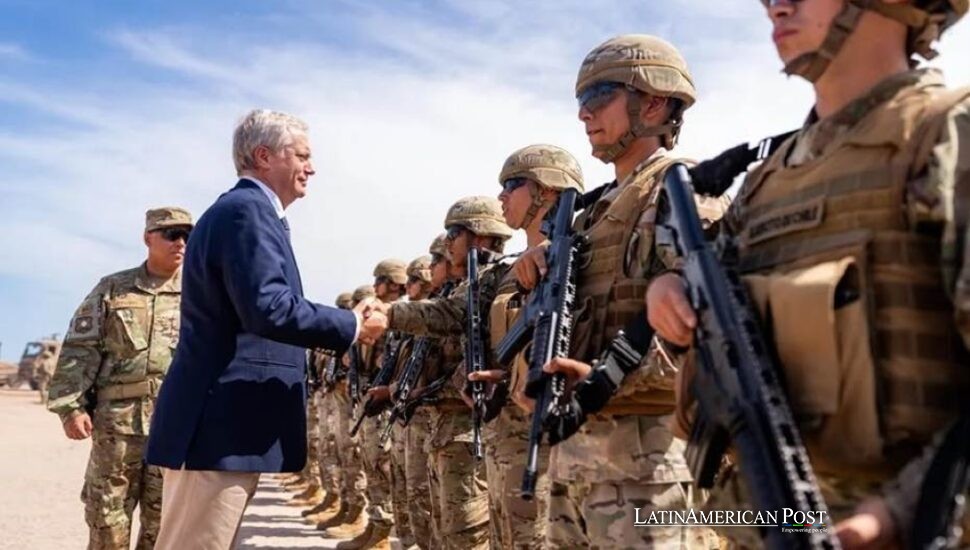
Chile remains safer than much of Latin America, yet kidnappings, contract killings and transnational networks have altered its sense of order. President José Antonio Kast now wants security written into the Constitution, raising questions about effectiveness, migration and state power.
A Safer Country Loses Its Illusion
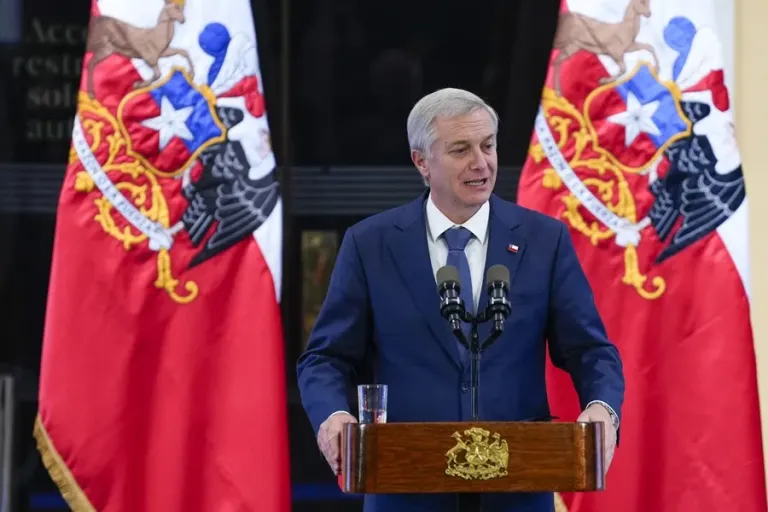
From La Moneda, President José Antonio Kast spoke in the language of a country that no longer recognizes its crime map.
“We are going to send Congress a constitutional reform” establishing that public security is a duty of the state, Kast said Wednesday in a televised address reported by EFE. The proposal, he argued, would give authorities broader tools against crime.
Kast had gone on television to celebrate the congressional advance of his sweeping tax and economic reform. If lawmakers moved that package in four months, he said, they should approve his organized crime agenda before Christmas.
Behind the urgency lies a real transformation. For years, Chile’s homicide rate resembled that of safer parts of Southern Europe. Burglary, street robbery and vehicle theft shaped familiar anxieties. Then the pattern shifted.
Homicides nearly doubled from mid-2010s levels and peaked around 2022. Kidnappings reached 868 cases in 2024, the highest number in at least a decade. Prosecutors estimated that about 38 percent were connected to organized crime, often involving extortion or disputes among criminal groups.
The violence remains lower than in Ecuador, Honduras, Venezuela or the most dangerous parts of Mexico. That comparison brings little comfort. Chileans measure the present against their own recent past. Crimes once considered foreign now appear on evening news with disturbing regularity.
The shock is cultural as much as statistical. Contract killings, ransom kidnappings and public brutality violate a national story built around institutional order and relative safety. Crime became politically dominant because it changed quickly, visibly and in forms many Chileans thought belonged elsewhere.
The Crime Changed Before the Numbers Fell
There is encouraging evidence. Official figures show homicides declined for a third consecutive year in 2025, falling 11.5 percent from 2024 and roughly 20 percent from the 2022 peak. Early 2026 data point in the same direction.
Yet declining homicides do not mean the networks have vanished. Chile is not a major drug producer like Peru or Bolivia. Its value lies elsewhere: purchasing power, modern ports, financial services and Pacific routes connecting shipments to Asia, Europe and the United States.
More than 10 transnational organizations operate in the country, Kast said. Cells linked to Venezuela’s Tren de Aragua receive the most attention, but describing organized crime as purely imported is incomplete. Foreign and domestic groups cooperate. Local networks provide logistics, weapons, laundering channels and territorial knowledge.
Organized crime is concentrated in metropolitan Santiago, northern regions including Arica y Parinacota, Tarapacá and Antofagasta, and ports such as Valparaíso and San Antonio. Southern Chile remains comparatively safer, although rural violence in Araucanía has a separate history.
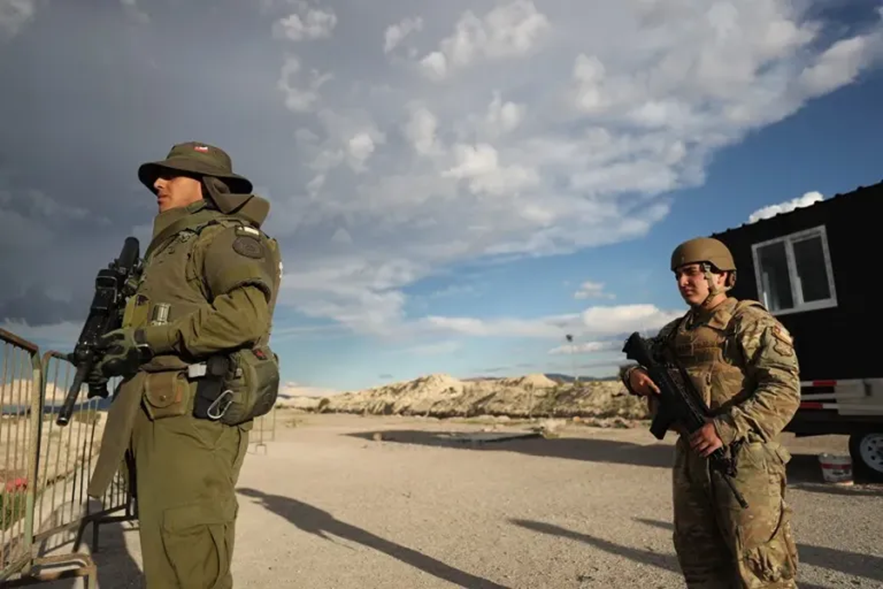
Kast’s Agenda Against Organized Crime and Terrorism would make membership in a criminal organization an aggravated offense. It would punish recruiting children to shoot, transport drugs or watch street corners, create a special prison regime for traffickers, extend flagrancy from 12 to 24 hours and empower a new agency to seize criminal assets.
Some measures address how organized crime survives. Following money, leadership and territory is more serious than arresting replaceable street operators. The Public Security Ministry’s focus on prevention, territorial recovery and stronger institutions recognizes that isolated prosecutions cannot dismantle an economy.
A Constitution Written Under Pressure
The constitutional proposal is the most consequential and least defined part of Kast’s plan.
Declaring security a permanent state duty has rhetorical power. It tells frightened citizens that protection cannot depend on the government in office. But constitutions distribute authority, define rights and establish limits. A promise of broader action becomes dangerous when its boundaries remain vague.
Kast said illegal barricades, vehicles placed across roads and other obstructions could become crimes. He also promised longer detention for irregular migrants and greater capacity to expel people without legal status.
Those proposals join two potent subjects: organized crime and migration. Northern regions have faced real pressure from irregular crossings, trafficking and criminal mobility. Still, nationality and immigration status are not evidence of guilt. Treating migration as the cause of violence risks overlooking Chilean collaborators, businesses and financial channels that make criminal networks possible.
The debate should ask not only what the state may do, but what evidence it must present, what courts may review and which extraordinary powers remain temporary. Chile’s authoritarian history makes that vigilance more than abstract liberalism. Fear can create durable powers long after a crisis changes.
Kast has also turned toward Bolivia. After a virtual meeting with President Rodrigo Paz, he called organized crime a continental threat and promised deeper border cooperation. Security could open a practical channel between neighbors lacking full ambassadorial relations since 1962, apart from a brief restoration from 1975 to 1978.
That cooperation is necessary. Trafficking routes ignore diplomatic grudges. Its success will be measured through intelligence, prosecutions and disrupted finances, not harsher slogans at the frontier.
Chile has evidence that violence may have peaked. It also has evidence that crime is more organized, transnational and financially sophisticated. Both facts matter.
The danger is complacency. The opposite danger is rebuilding the state around fear after the numbers have begun improving. Kast’s reform will show which lesson Chile chooses: that security requires stronger institutions, or that insecurity can justify power without sufficient limits.
Also Read: Cuba Faces a Shadow War as Washington Tightens the Noose