Cuba Faces a Shadow War as Washington Tightens the Noose
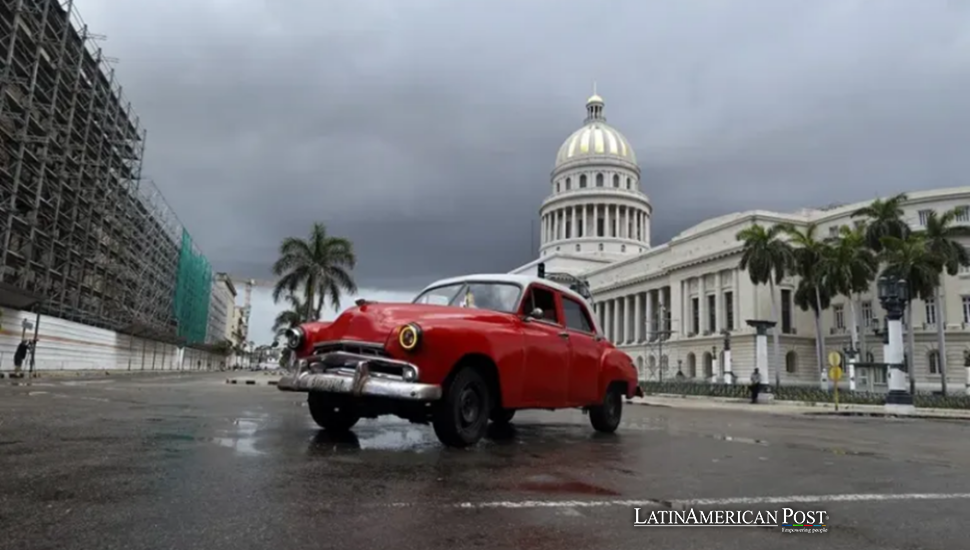
Reports that Washington has expanded intelligence operations inside Cuba arrive as blackouts, sanctions, and political pressure tighten around the island, raising a dangerous question: whether reform will emerge through Cuban agency or under the shadow of foreign coercion and intervention.
An Unverified Report With Real Consequences
In Havana, darkness carries a new anxiety. A battery radio says American intelligence officers may be multiplying somewhere on the island. A government employee wonders about a colleague. A dissident asks whether foreign help will protect a movement or discredit it.
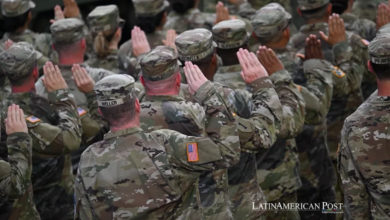
Politico reported Tuesday that the Trump administration had sent additional agents and intelligence resources to Cuba as part of a campaign to force deep reforms or the departure of President Miguel Díaz-Canel’s government. Two people familiar with the effort spoke anonymously and offered few operational details. One described an expanded CIA “presence.” Another said the move could help prepare conditions for a possible military incursion, but did not confirm that Washington had chosen one. EFE relayed the account while stressing the uncertainty surrounding American intentions.
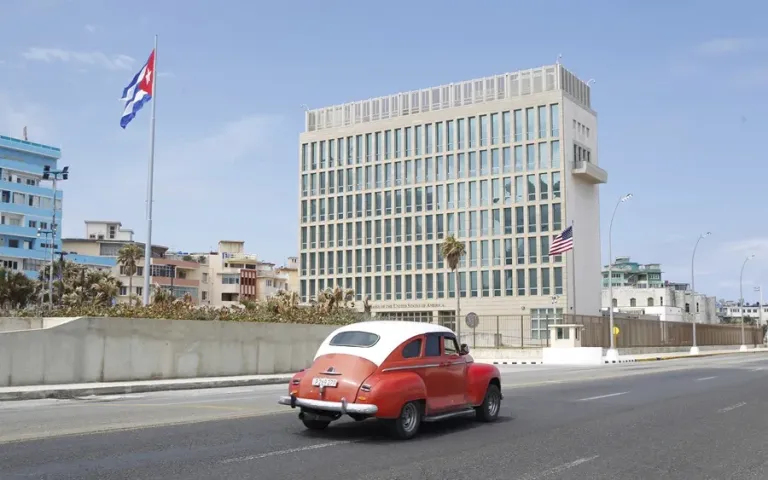
Intelligence work can mean recruiting sources, influencing officials, or preparing contingencies that never become policy. Treating every activity as preparation for invasion exaggerates what is known. Trump reduced embassy staffing after the Havana Syndrome incidents, so an increase does not reveal scale. Still, ambiguity makes officials suspicious and fills conversations with rumor.
Washington’s own records show the failed Bay of Pigs invasion was followed by Operation Mongoose, a CIA and Defense campaign to remove Fidel Castro through propaganda, support for militant opposition, guerrilla planning, and preparations for possible intervention.
Pressure Meets an Island Already Breaking
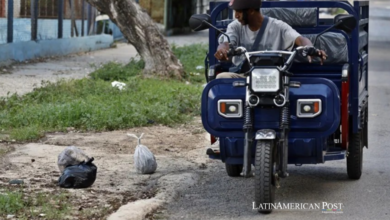
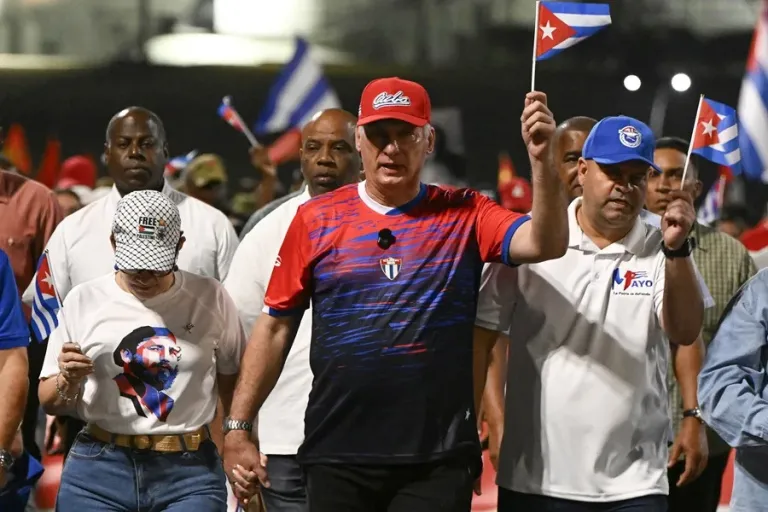
The timing is combustible because Cuba is suffering one of its worst post-revolutionary crises. EFE reported two massive power failures in less than 24 hours on Monday, bringing the year’s total to seven. Fuel shortages, sanctions, collapsing infrastructure, scarce foreign currency, and years of government mismanagement have left the electrical system barely able to recover before failing again.
A blackout is political, but first it is physical. Insulin warms. Water stops climbing to upper floors. A refrigerator becomes a countdown. Restaurants lose food, workshops lose hours, and exhausted people sleep beside open windows while mosquitoes enter. Every additional sanction or failed turbine reaches the body before it reaches a speech.
Washington has intensified economic pressure, targeted foreign investors, restricted oil flows, and demanded political reform. EFE reported that CIA Director John Ratcliffe visited Havana in May with a warning of change. Days later, the Justice Department filed criminal charges against 95-year-old Raúl Castro, while FlightRadar24 data showed at least 25 U.S. military flights near Cuba that month for intelligence collection.
Secretary of State Marco Rubio has said Washington will keep using its available tools against what it calls the Cuban regime’s security threat. He has also offered aid, reconstruction assistance, and a new bilateral relationship if political and economic reforms occur. The State Department warned that Cuban leaders must embrace “real reforms, peace and prosperity” before it is too late.
That language combines an offer with a threat. The contradiction is familiar across Latin America. The United States says it seeks liberty, then applies pressure so overwhelming that local choice risks becoming indistinguishable from surrender. Cuba’s government invokes sovereignty to defend a one-party system that represses dissent, restricts political competition, and has failed to provide basic economic security. Cubans are trapped between an authoritarian state and a foreign power claiming authority to set the terms of change.
Maximum pressure may weaken the government, but it also feeds its oldest narrative: every critic serves Washington and every failure proves siege. As food, fuel, and electricity disappear, repression can grow. Desperation produces migration more reliably than democratic organization.
The Difference Between Pressure and Possession
The central question is not whether Cuba needs change. It does. The question is who owns that change.
Intelligence gathering aimed at understanding instability is not the same as organizing regime collapse. Contact with officials is not the same as purchasing loyalty. Supporting uncensored information is not the same as manufacturing an opposition. A military invasion would cross another line, replacing Cuban authoritarianism with foreign coercion and risking deaths, displacement, institutional collapse, and a nationalism powerful enough to outlive the current government.
Washington should separate humanitarian survival from political bargaining. Food, medicine, electrical equipment, and disaster assistance should reach civilians through monitored channels without becoming payment for obedience. Support for internet access, independent journalism, political prisoners, and human rights documentation can widen Cuban agency without pretending to select Cuba’s future leaders.
Latin American governments also have a role. A credible transition framework would be stronger if accompanied by regional democracies and multilateral institutions rather than designed inside American intelligence agencies. Elections, prisoner releases, legal opposition, and economic opening require verification, but legitimacy cannot be air-dropped from Florida.
Politico’s report may describe a limited intelligence adjustment, an influence campaign, or the early architecture of something more dangerous. The public evidence does not yet decide among them. That is why caution matters.
Cuba’s rulers should not use sovereignty as permission for permanent repression. Washington should not use Cuban suffering as an invitation to possession. In the darkness, millions of people are asking for electricity, food, freedom, and a future. None of those demands grants another country the right to write Cuba’s ending.
Also Read: Guatemala Evacuates as Fuego Volcano Roars and Old Wounds Reopen