Peru Continues Watch as Machu Picchu Fire Tests Andes Tourism’s Defenses
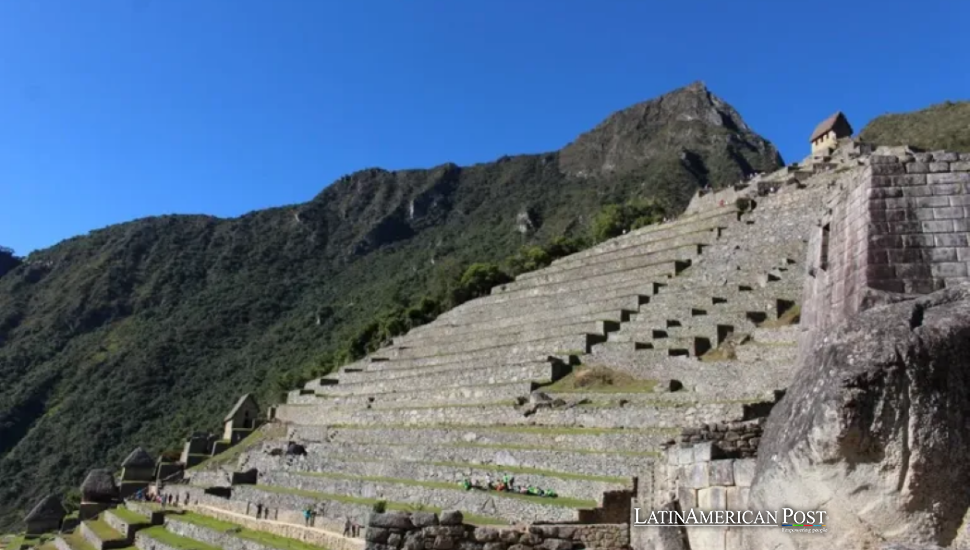
A wildfire inside Machu Picchu’s protected sanctuary has burned only 1.5 hectares, yet halted trains and exposed a larger danger: Peru’s archaeological destination depends on steep slopes, one fragile rail corridor, crowded access, and increasingly combustible Andean forests each season.
A Small Fire on a Vertical Battlefield
At kilometer 107.4, below the green folds surrounding Machu Picchu, the ground itself is burning.
The fire began Monday near the base of Cerro Poques, inside the Historic Sanctuary of Machu Picchu. By Wednesday, Peru’s Environment Ministry said a preliminary 1.5 hectares of primary forest had been affected. The Inca citadel itself remained untouched. The number sounds almost reassuring.
It should not.
The sanctuary covers more than 32,000 hectares, making the burned share less than 0.005 percent. Yet acreage alone is misleading. The blaze is mixed, burning across the surface and below it. Subterranean fire can hide in roots, reappear after crews believe a sector is controlled, and weaken vegetation holding a mountainside in place.
Fifteen park rangers, eight municipal workers and six employees from the company transporting visitors toward the citadel were fighting the fire, a 29-person civilian force later reinforced by military personnel. They were working on slopes approaching 70 percent, amid falling rocks and collapsing trunks. A wrong step can be as dangerous as the flames.
Machu Picchu’s cloud forest shelters native plants and wildlife, including the spectacled bear and the Andean cock-of-the-rock. Primary forest stores ecological history that cannot be rebuilt on a tourism timetable. When it burns, roots die, soils loosen and landslide danger can remain after the smoke disappears.
Ten Canceled Trains Reveal One Fragile Lifeline
On Tuesday, the railway fell quiet.
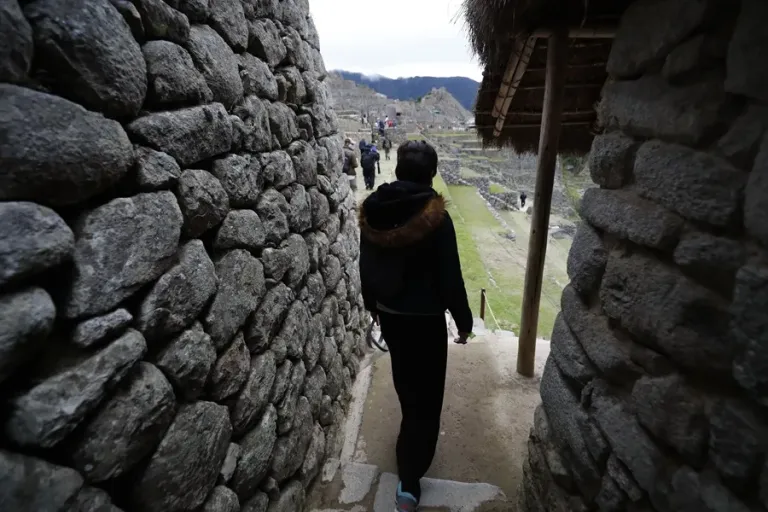
Ferrocarril Trasandino suspended trains through the affected stretch. PeruRail canceled three departures from Ollantaytambo and seven from Machu Picchu. Ten lost frequencies may look minor nationally. Here, they exposed the vulnerability of the main mass corridor carrying visitors between the Sacred Valley and the citadel.
Peru’s Ministry of Foreign Trade and Tourism said it was monitoring the emergency and asked travelers for understanding in a statement reported by EFE. The suspension protected passengers and railway workers until safe operations could resume.
That was responsible. It was also expensive.
Machu Picchu has received as many as 5,600 visitors a day since high season began in June, up from the earlier limit of 4,600. The extra 1,000 admissions amount to nearly 22 percent more people moving through a destination with little redundancy. Every additional ticket adds someone who may need shelter, food, rebooking or evacuation when fire, rockfall, flooding or mechanical failure closes the route.
The railway is the circulatory system of an entire local economy. A canceled train reaches hotel cleaners in Aguas Calientes, guides in Cusco, cooks in Ollantaytambo, drivers, porters, market sellers and families whose income rises and falls with the arrival board.
For a traveler, the interruption may mean a ruined itinerary. For a worker paid by the day, it can mean groceries not purchased that evening.
Peru made Machu Picchu one of the world’s most recognizable destinations. Yet it concentrated that success around a narrow mountain passage where rail, rock, forest and weather meet. The monument appears permanent. The system delivering people to it is not.
The Stones Survive, but the System Burns
This is not the largest fire Machu Picchu has faced. More than 800 hectares burned around the sanctuary in 1997. In 2022, another blaze scorched roughly 20 to 40 hectares nearby, with authorities attributing it to agricultural burning used to clear land before planting.
The current cause has not been established. Rural burning is a recurring risk across Peru, but blame should not arrive before evidence. Dry vegetation, mountain winds and prolonged warm periods can turn one spark into a complex emergency.
Fire strips slopes of vegetation during the dry period. When heavy rain returns, the same damaged ground can release mud, stones and trunks toward tracks and settlements below. The emergency does not end when the final flame is extinguished. It can simply change form.
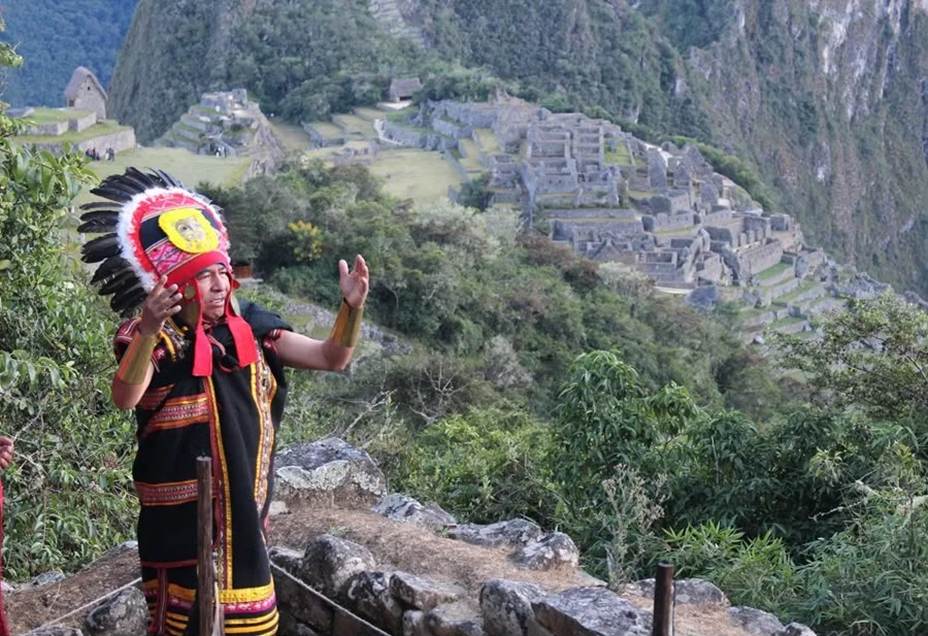
That is why the survival of the stone citadel, while welcome, is not enough. Machu Picchu is a cultural landscape, not an isolated ruin. Its meaning comes from the meeting of Inca engineering, cloud forest, steep geology and water. Protecting only the masonry would preserve the postcard while allowing the living sanctuary around it to unravel.
Visitor capacity cannot be measured solely by how many bodies can pass through archaeological circuits. It must include how many people the railway can transport, how many the town can shelter, and how quickly authorities can move them when the corridor fails.
Peru needs earlier fire detection, permanent slope monitoring, protected vegetation management, backup communications and transparent rules for closing and reopening the line. Local residents must shape that planning. They know where smoke settles, which slopes shed rocks and which paths remain usable when official access disappears.
The lesson reaches beyond Peru. Chile and other Andean countries also depend on tourism corridors squeezed between mountains, dry vegetation and infrastructure built for calmer conditions. Climate volatility need not destroy a landmark to damage the economy and communities built around it.
For now, crews continue climbing through falling debris while officials count hectares and assess the railway. The citadel remains safe. The fire remains small by the arithmetic of national disasters.
But Machu Picchu has never been an ordinary place, and 1.5 hectares there are not merely 1.5 hectares. They are a warning written into primary forest beside the tracks: wonder can draw millions, but wonder does not protect itself.
Also Read: Peru Watches Machu Picchu Wildfire Burn Through Tourism’s Lifeline Again