Latin American and African Recruits Feed Russia’s Quiet War Machine
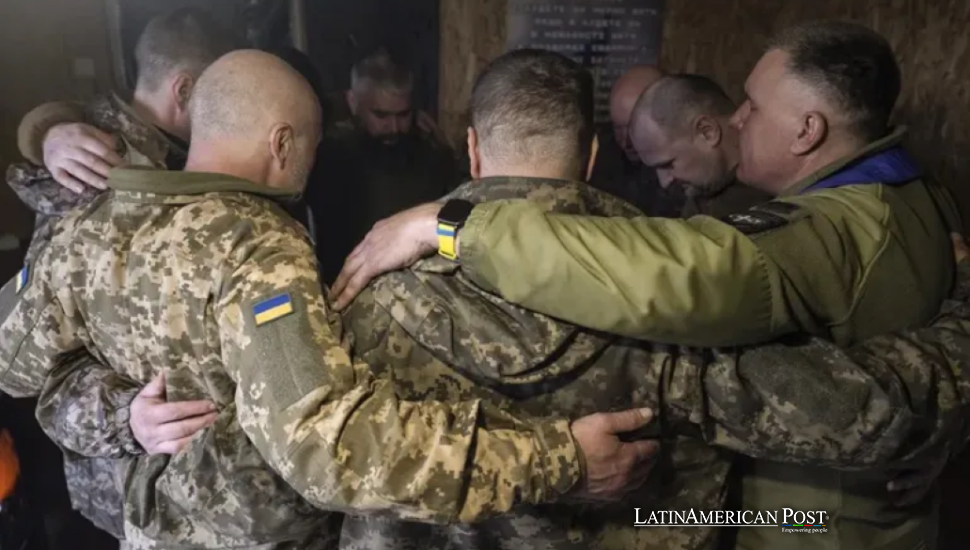
From Panama to Peru and Ghana to Kenya, families say economic promises and deceptive job offers are funneling vulnerable citizens into Russia’s war in Ukraine, exposing a recruitment system built on poverty, distance, legal ambiguity, and Moscow’s need for soldiers.
A Contract Signed Far From the Front
The war can begin with a message promising work in Russia. Not a rifle. Not a trench. Not even the word Ukraine.
For vulnerable workers and migrants across Latin America and Africa, human rights organizations say, the route into military service may be presented through employment, scholarships, legal residency or promises of citizenship. Some foreigners sign knowingly. Others, their governments suspect, understand the real purpose only after the journey has begun.
That uncertainty turns private grief into diplomacy. Families of dead or missing recruits have approached governments, alleged human trafficking and protested outside Russian embassies. What Moscow calls voluntary military employment looks different from a kitchen table where the last message home contains no reliable location.
Russia’s demand for foreign soldiers is also intensely domestic. Recruiting abroad helps the Kremlin offset battlefield losses and manpower shortages while avoiding a second large mobilization, a deeply unpopular step before September’s legislative elections. Foreign contracts move part of the war’s political cost beyond Russia’s electorate. Poverty elsewhere becomes insulation at home.
President Vladimir Putin strengthened that system in March by barring the extradition of foreigners who have served in Russia’s military. To a recruit, the law can look protective. To governments seeking their nationals, it can make a contract feel like a wall.
The Missing Become Diplomatic Numbers
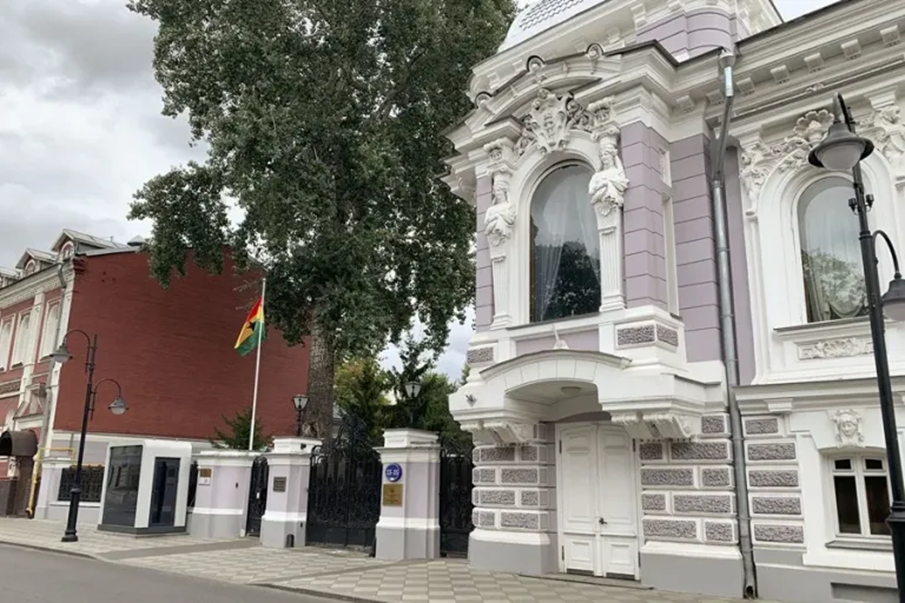
Panama and Ghana brought the dispute directly to Moscow this week. Russian Deputy Foreign Minister Sergei Ryabkov received Panamanian Ambassador Carmen Inés Ávila Ortega after Panama announced efforts to repatriate about 20 citizens fighting for Russia. Another ten reportedly serve on Ukraine’s side, with one confirmed death.
That split suggests the movement cannot be explained by one ideology. It resembles a global labor market distorted by war, recruiters and unequal opportunity.
“I really think many of the Panamanians, perhaps not all, were deceived,” Foreign Minister Javier Martínez-Acha said, according to EFE. He blamed third parties rather than governments, preserving diplomacy while acknowledging that consent may have been manufactured before anyone reached a Russian office.
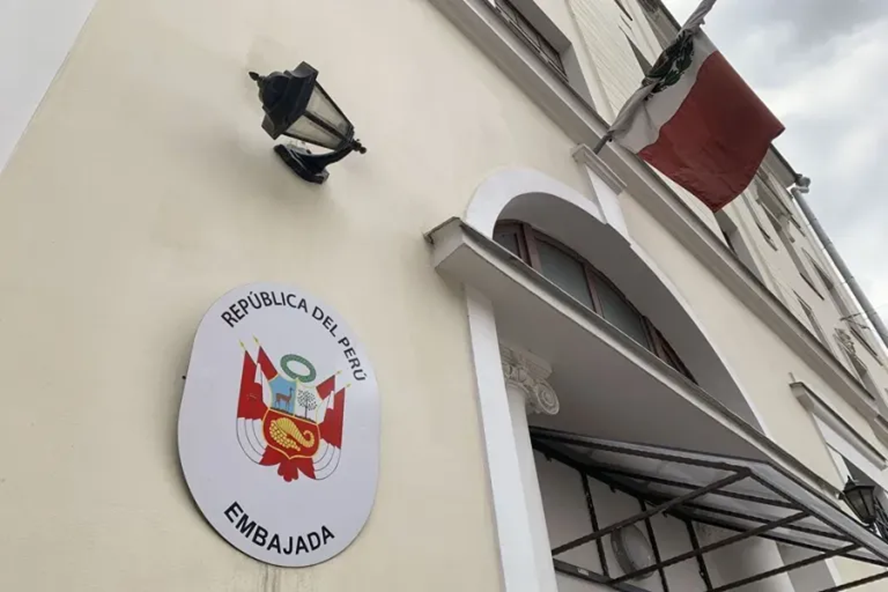
Peru’s figures are larger. The Foreign Ministry summoned Russia’s ambassador seeking information about Peruvians reported dead or missing among 459 nationals serving in Russian ranks. President Keiko Fujimori expressed concern after authorities counted 11 dead and 114 missing. Twenty-seven had returned safely.
Those numbers turn recruitment into a question of state responsibility. A passport does not end a government’s duty when a citizen crosses a border, especially when families cannot establish whether that person enlisted freely, was misled, was pressured by immigration status or vanished into military bureaucracy.
Peruvians, Colombians, Cubans and Bolivians have all been caught in the expanding system. Bolivia reported repatriating two nationals this week. Together, the cases show how the war reaches societies far from its geography and draws on people with limited economic leverage.
Africa shows the scale more starkly. Ghanaian Foreign Minister Samuel Okudzeto Ablakwa publicly asked Russian Foreign Minister Sergei Lavrov to stop recruiting Ghanaians. “Sixty-two Ghanaians have died,” he said, adding that 15 were missing, according to EFE.
Kenya estimates Moscow contracted more than 1,000 citizens. By May, Nairobi counted about 20 dead and 30 missing. Lavrov reportedly promised recruitment would stop. The issue shadows an October Russia-Africa summit, where Moscow hopes to appear as a partner, not a power drawing manpower from vulnerable communities.
Moscow Moves Mobilization Beyond Its Borders
Ukraine says its forces have killed nearly 500 Africans among almost 3,000 recruited by Moscow since February 2022. Kyiv places the broader number of foreign personnel in Russian service at about 27,000 from 44 countries. These are wartime claims, but the breadth of diplomatic complaints shows the underlying issue is real.
Lavrov has acknowledged requests from several countries and said Russia’s Defense Ministry created a special structure to manage complaints. His defense rests on choice. Some foreigners enlist for economic reasons, he argued, while others act from solidarity with a country that helped fight racism.
That appeal draws on historical memory. Across Africa and parts of Latin America, the Soviet Union built influence through scholarships, military assistance and support for anti-colonial movements. Yet gratitude inherited from the twentieth century cannot replace informed consent in a twenty-first century contract.
Lavrov insists Russia does not recruit but responds to applications, comparing foreign soldiers with labor migrants seeking work. The Russian Embassy in Lima likewise said contract signers were capable adults who understood military risks, and praised the Peruvian contribution.
The weakness in that argument is not that economic motivation is impossible. It is that economic desperation can coexist with deception. A signature may be legally real while the choice behind it remains constrained. The United Nations has reported that some foreigners enlisted to regularize their status, while others were contracted during prison sentences in Russia.
The result is a war supplied through the fault lines of the Global South. In Moscow, these recruits are manpower. In Kyiv, they are enemy personnel. In Panama, Peru, Ghana and Kenya, they are citizens whose families need bodies, records and answers.
Between the job offer and the battlefield lies the question Russia has not convincingly resolved: who truly chose the war, and who merely chose what appeared to be a way out?
Also Read: Chile Writes Emergency Power Into Its War on Organized Crime