Chile Tests Democracy as Kast’s Security Cure Expands Executive Power
Chile’s fight against organized crime has entered a constitutional danger zone, as President José Antonio Kast seeks sweeping emergency powers that critics say could weaken civil liberties, sideline Congress, and revive tools associated with the country’s authoritarian past during peacetime.
A Security Crisis Meets a Constitutional Shortcut
Chile’s security debate is no longer only about police, prosecutors, borders or prisons. It has moved into the architecture of the state itself.
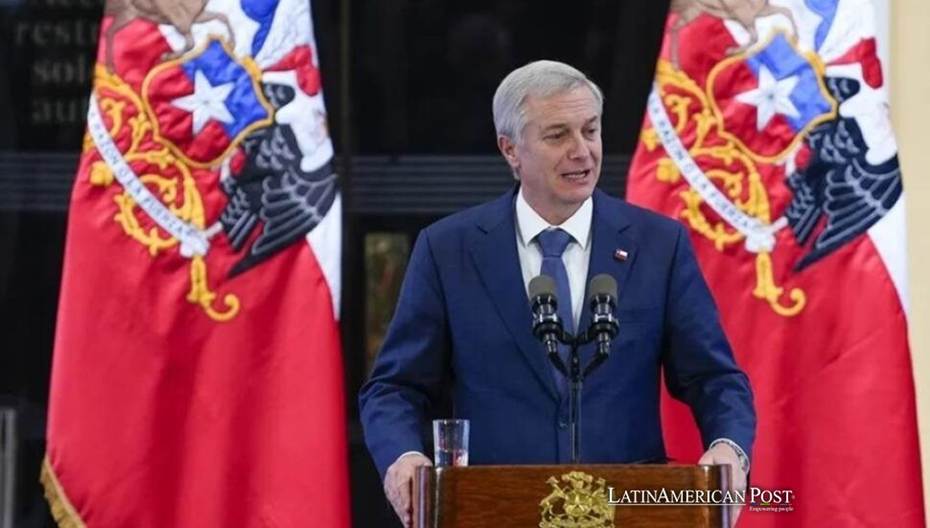
Fresh from winning approval for a controversial economic and tax overhaul, his administration’s flagship project, Kast sent Congress a constitutional reform allowing the president to declare an exceptional security period of up to eight months. Introduced in the Senate last Monday, it disturbed lawmakers across the political spectrum, including government allies and legislators on the right.
The pressure is real. Over the past decade, transnational criminal organizations have gained ground in a country long viewed as one of Latin America’s most stable. In a survey by the Public Policy Institute at Andrés Bello University, 96 percent of respondents called organized crime a direct threat to national security. Fear is nearly universal.
Kast has answered with eight constitutional changes under the Agenda Against Organized Crime and Terrorism, known by its Spanish acronym, ACOT. The package accompanies 19 bills already moving through Congress and roughly 10 more proposals. Yet critics say it avoids the essential question: What prevents Chile from confronting these groups under its existing Constitution?
“Nothing in the Chilean Constitution” blocks the government’s stated security objectives, constitutional lawyer Javier Couso, director of the doctoral law program at Diego Portales University, told EFE. He called the reform unnecessary for fighting organized crime or terrorism.
Jorge Araya, a security expert at the University of Santiago, went further. He told EFE the measures were “absolutely abusive” and incompatible with democracy. His objection is not to forceful action. It is to extraordinary authority replacing the quieter work of building capable institutions.
Araya said the most effective response is missing: more resources for the agencies expected to investigate, prosecute and contain organized crime. Criminal structures prosper through money, corruption, territorial control and fragile institutions. An eight-month decree may display resolve, but it does not automatically improve intelligence, evidence or prosecution.
Public Security Minister Martín Arrau defended the proposal on CNN Chile’s Tolerancia Cero. It is designed, he said, for zones where terrorist or organized-crime groups operate and where the state has difficulty entering. The unresolved issue is whether difficult territory justifies exceptional presidential power without ordinary democratic authorization.
Eight Months Without the Usual Brakes
The president could establish the exceptional period without first consulting Congress. Authorities could restrict movement, assembly and association, while intercepting communications through any medium.
That final power has intensified the alarm. Diego Pardo, a law professor at Adolfo Ibáñez University, told EFE that reforms concentrating authority in the executive strain democracy when parliamentary and time limits are inadequate. The danger, he said, comes from discretion not tied to standards another institution can verify.
The concern also covers presidential authority to designate terrorist or organized-crime groups. When the executive defines the target, activates exceptional powers, and oversees their use, safeguards begin folding into one office.
Pardo called warrantless interception particularly troubling. The proposal requires no judicial order, leaving citizens exposed to surveillance without advance review by an independent authority.
In Chile, that omission carries historical weight. Pardo noted that the National Information Center, or CNI, intercepted communications against political opponents during the dictatorship’s states of exception. The comparison does not equate today’s government with that regime. It recognizes that Chileans have lived through a period when emergency language allowed coercive institutions to pursue politics as security.
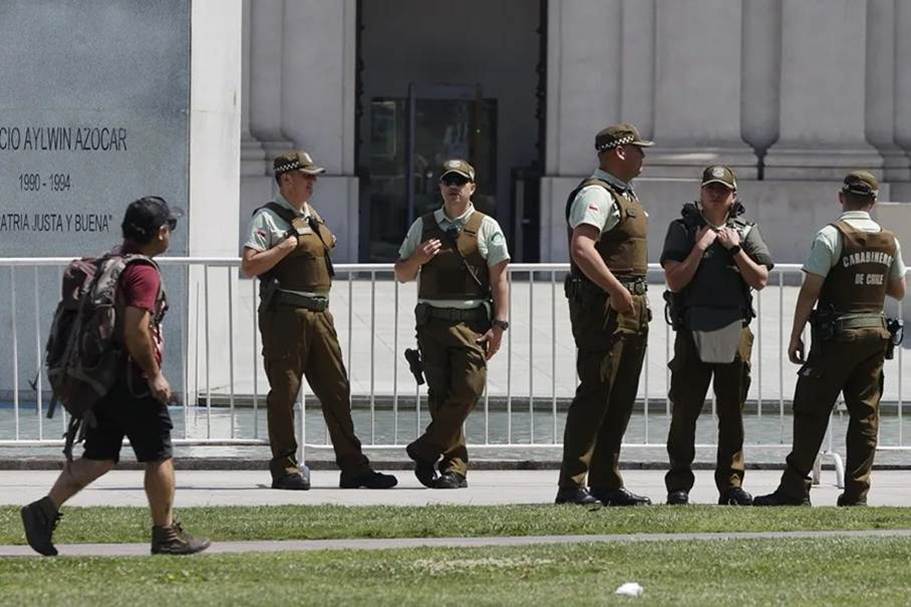
Experts interviewed by EFE called the proposal unprecedented since democracy returned. Some provisions resemble a state of assembly, the constitutional category reserved for external war. Araya stressed that even during the 2019 social uprising, President Sebastián Piñera declared a state of emergency, not the more severe state of siege.
Kast has answered by citing his democratic record. At a Federation of Media leadership ceremony, he asked whether he had ever rejected an election result or abused authority to undermine democracy. His answer was no.
But constitutional design cannot rest on one president’s promise. Safeguards are written for every future officeholder, including one who may interpret vague powers more aggressively. The test is not whether Kast believes he would abuse the authority. It is whether the authority could be abused after the Constitution makes it available.
The Politics of Looking Decisive
Francisco Zúñiga, a constitutional lawyer and University of Chile professor, described the plan to EFE as “constitutional populism.” It offers sweeping change as a magical answer to insecurity, he said, while placing republican democracy and legal guarantees at risk.
The phrase names a recurring Latin American temptation. When fear rises, and institutions appear slow, concentrated executive power can be marketed as clarity. Congress becomes delay. Judicial review becomes obstruction. Rights are portrayed as favors for criminals instead of protections shared by everyone. The argument is most seductive when the threat is real.
Chile’s threat is real. Families experience organized crime through fear, changed routines, and the suspicion that the state no longer controls every community with equal confidence. That makes the promise of decisive entry into hard-to-reach zones politically potent.
It also makes precision essential. A credible reform should explain what existing institutions cannot legally do, which obstacle each new power solves, who checks its use and how citizens seek redress. The government has presented broad authority, but a thinner case for why current constitutional tools are insufficient.
The Senate debate is expected to begin in early September. The government is negotiating after sharp disagreement inside Congress, including within its coalition and among right-wing lawmakers, and the text may be adjusted. Approval remains uncertain.
The deeper choice is not simply between security and liberty. It is between two models of public order. One depends on institutions, resources, evidence, and oversight. The other depends on exceptional presidential authority, concentrated quickly and defended as temporary.
Eight months is temporary on a calendar. In constitutional life, it is long enough to change expectations about what government may do without Congress or a judge. Chile’s danger is not only spectacular abuse. It is making the exception feel normal, one fearful season at a time.
Also Read: Colombia Turns Classroom Sex Education Into Its New Culture War