Colombia’s Religious Freedom Depends on Keeping Presidential Power Firmly Secular
Colombia’s ordered presidential apology is more than courtroom theater. It tests whether a secular republic can welcome believers without conscripting everyone else, especially atheists and agnostics, into a state ceremony where citizenship briefly seemed to arrive wrapped in public prayer.
A Ceremony That Crossed the Line
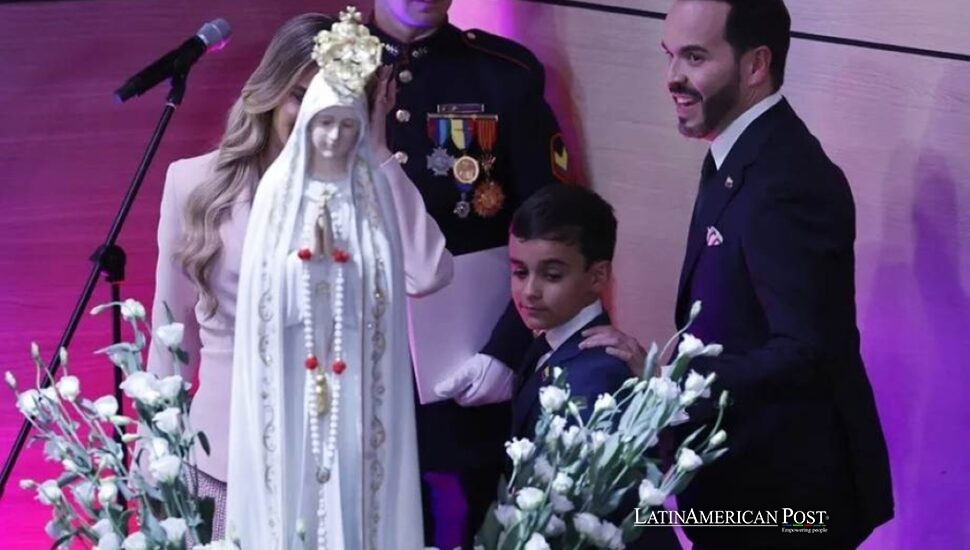
On August 7, the transfer of power at Cali’s Arena USC should have belonged to every Colombian. Instead, the constitutional ritual closed like a state-sponsored service. Rabbi David Michaan read from the Old Testament and ended with “Viva Colombia y viva Israel.” Evangelical pastor Eduardo Cañas Estrada and Catholic monsignor Francisco Múnera prayed for security, unity and an end to terrorism. An image of the Virgin Mary appeared before legislators and foreign guests. The problem was not their faith. It was the state turning its investiture into a pulpit. EFE reported that religion occupied a significant part of the official ceremony.
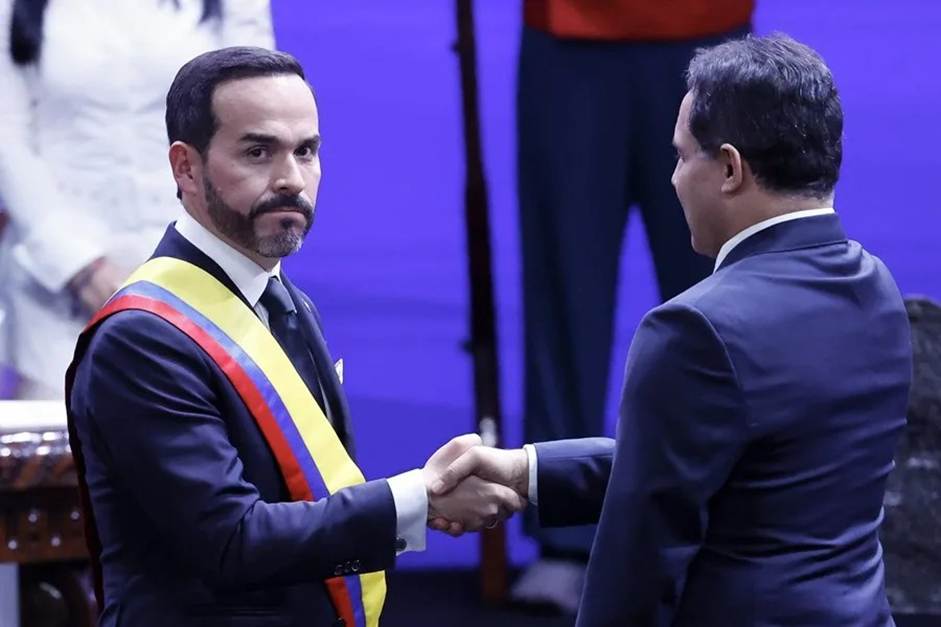
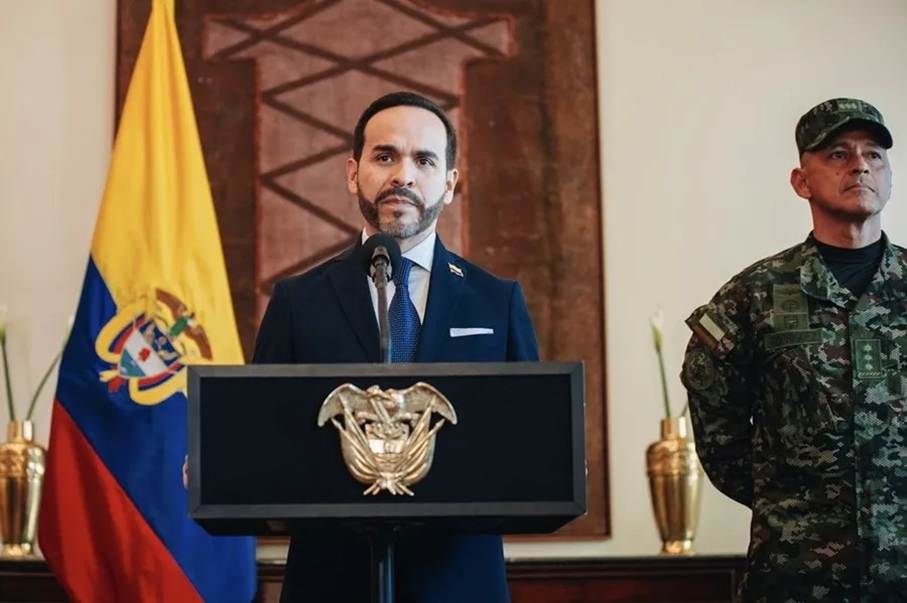
The Fifth Labor Circuit Court of Bogotá ordered President Abelardo de la Espriella to apologize in a radio and television address on September 30. The appealable first-instance ruling also tells him to avoid favoring Catholicism or any creed and to direct public servants to defend religious neutrality. Senate President Honorio Henríquez must apologize because the inauguration occurred during a legislative session. The decision separates a president’s private faith from the presidency’s public authority.
That distinction matters because ceremonies compress power into symbols. An inauguration tells citizens who belongs, what the republic honors, and where authority supposedly begins. When clergy receives the closing moral word, and an official audience is folded into prayer, nonbelievers are placed outside the nation’s emotional center.
The Republic Broke With a Confessional Past
Colombia has lived under the alternative. The 1886 Constitution treated Roman Catholicism as an essential element of social order and placed education under powerful church influence. That fused citizenship with a religious hierarchy, made dissent socially costly, and taught generations that national belonging arrived through one inherited faith.
The 1991 Constitution broke with that order. It did not declare war on religion. It moved religion from the government’s commanding seat into the protected realm of conscience. The Constitutional Court says Colombia shifted from a confessional model to a secular one founded on pluralism and equality. Article 13 prohibits discrimination based on religion or philosophical opinion. Article 18 protects conscience and bars forced disclosure or action against it. Article 19 protects worship while making every church equally free before the law.
That structure includes atheists. Too often, “religious freedom” means choosing among churches rather than choosing none. The Court recognizes that conscience protects secular and religious convictions, including the choice to affirm or deny a relationship with God. Law 133 protects the right to profess a faith, leave one, or refrain from religious practice. Atheism is not a constitutional defect awaiting correction by public prayer. Agnosticism is not an incomplete answer the state may demand.
Respect means more than allowing atheists to stand quietly while others invoke heaven. It means refusing to imply that patriotism, morality, or civic seriousness requires belief. A Colombian can serve neighbors, mourn the dead, defend democracy and love the country without imagining a divine witness. That citizen must enter the civic house equally.
Colombia’s preamble invokes God, and Law 133 says the state is not atheist, agnostic, or indifferent to religious feeling. Those phrases do not cancel secularism. A republic may recognize faith’s social importance without speaking in faith’s voice. Neutrality is disciplined restraint, not hostility.
Neutrality Protects Believers Too
Supporters may call the Cali ceremony pluralistic because Jewish, evangelical, and Catholic leaders participated. Yet three traditions do not equal Colombia. Muslims, Indigenous spiritual authorities, Afro-Colombian traditions, smaller churches, agnostics and atheists remained outside the circle. Adding clergy would not solve the problem. Pluralism is not a larger guest list at the altar. It is a civic space where no altar controls admission.
Michaan’s closing phrase showed how devotion can merge with state messaging. “Viva Colombia y viva Israel” placed a foreign nation inside the ceremonial climax of Colombia’s transfer of power. The rabbi could say it freely in his own forum. On an official presidential stage, the words carried the republic’s amplification. Religious language can be spiritual, diplomatic, partisan and cultural at once. Neutrality keeps government from pretending those meanings disappear when the microphone changes hands.
Colombia’s social reality makes that boundary more necessary. Churches often work where the state is thin, providing food, schooling, shelter, mediation and companionship. Their service may be indispensable. But public weakness cannot convert charitable influence into ceremonial privilege. A displaced family, a public-school student, a soldier receiving pastoral care, or a patient in a state hospital should never wonder whether full belonging comes with a creed attached.
Separation protects believers, too. Once a government favors religion, it may decide which faith counts, which leaders receive access, and which doctrines seem patriotic. Today’s honored church can become tomorrow’s suspect sect. The Constitutional Court defines secularism through separation and neutrality, barring official identification with a church and symbolic acts of state adherence. The rule protects faith from political capture while protecting citizens from religious pressure.
An apology need not humiliate the president. It can state a constitutional truth: the president may have a faith, but the presidency has none. Public ceremonies can honor grief, hope, service and national memory through the language citizens share, democratic equality, human dignity and the Constitution. Believers lose nothing when official power stops borrowing sacred authority.
Colombia does not need government emptied of conviction. It needs government humble enough to know conviction belongs first to citizens. A secular state is not a cold room without values. Its values are freedom of conscience, equal citizenship and the refusal to rank souls. That promise includes the devout, the doubtful, and those who believe there is no god. The republic becomes more faithful to 1991 when none must kneel to enter. That is not disbelief imposed from above. It is democracy practiced daily at eye level.
Also Read: Chile Tests Democracy as Kast’s Security Cure Expands Executive Power