Paraguay Demands Brazil Return Cannons from Latin America’s Bloodiest War
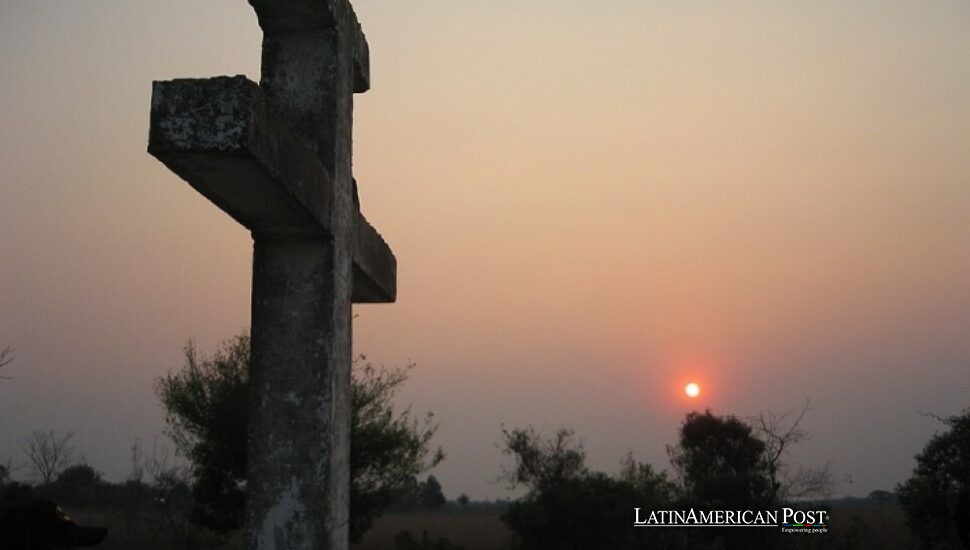
Paraguay’s demand that Brazil return the Cañón Cristiano reopens Latin America’s bloodiest interstate war. At the same time, Colombia’s forgotten citizenship offer reveals another regional memory, one built not on conquest, but on solidarity with a nation nearly erased from the map forever.
A Cannon Cast from Church Bells
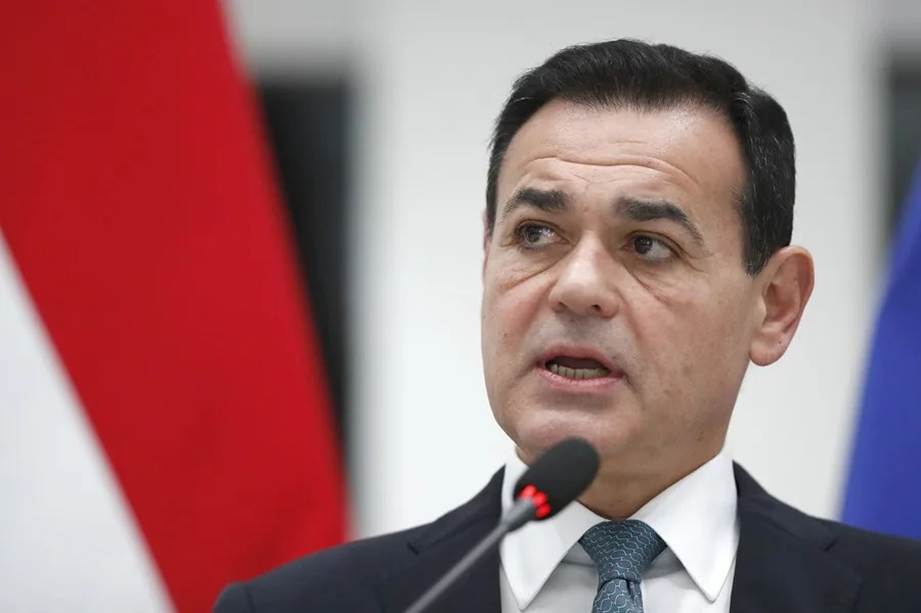
In Asunción, history has again become heavy enough to measure in tons. Paraguay wants Brazil to return the Cañón Cristiano, an eleven-ton artillery piece, along with the Cañón Presidente López, other war trophies and copies of documents held in Brazilian archives. The request is old. Foreign Minister Rubén Ramírez is giving it new political force.
Recovering the cannon and other objects would allow Paraguay to “definitively turn the page” on the War of the Triple Alliance, Ramírez told reporters, according to EFE. He called the conflict a “sad history” and noted that Brazil is the alliance’s only former member that has not returned such trophies. Paraguay is now activating “parliamentary diplomacy,” bringing legislators into a campaign President Santiago Peña’s government has pressed since August 2023.
The Cañón Cristiano is not simply old military hardware. It was cast from bells collected in Paraguay during the war, transforming objects that marked baptisms, funerals, and village time into a weapon for national survival. Its metal carries the imagined sound of communities stripped down, melted and reorganized for battle.
The war, fought from 1864 to 1870, pitted Paraguay against Brazil, Argentina and Uruguay. It remains Latin America’s deadliest interstate conflict. Estimates vary, but some place Paraguay’s losses at 60 to 70 percent of its population, with adult men suffering especially catastrophic losses. Territory was ceded, infrastructure ruined, and a country left demographically broken.
That scale explains why Paraguayans do not meet the war as a distant quarrel among nineteenth-century presidents. It survives in family memory, national identity and a sense of vulnerability beside larger neighbors. A captured cannon occupies two realities. In Brazil, it is national patrimony. In Paraguay, it is evidence that even catastrophe’s remains were carried away.
When History Becomes Foreign Policy
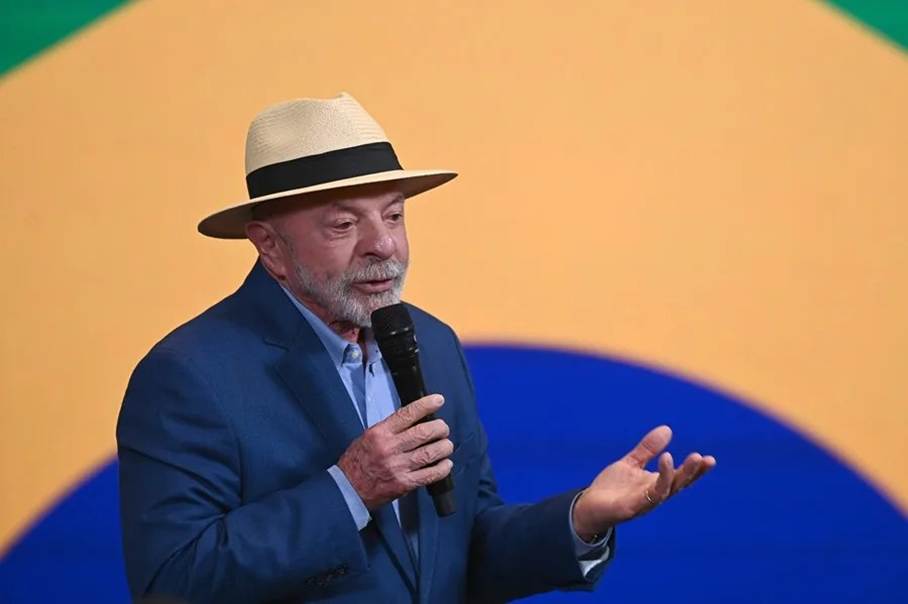
The dispute sharpened after Brazilian President Luiz Inácio Lula da Silva said on July 24 that Brazil favors peace but cannot forget that Paraguay once invaded Brazilian territory and triggered the war. Paraguay answered with a protest note delivered to Ambassador José Antonio Marcondes de Carvalho, expressing “displeasure” and rejecting what it called a distorted history.
Vice President Pedro Alliana read the response publicly. Events that marked both peoples, the note argued, require responsibility, reciprocal respect and recognition of their complexity. Brazil’s ambassador later said Lula had not meant to offend Paraguay and that his remarks were taken out of context, EFE reported.
The argument is not over whether Paraguay invaded Brazilian territory. It did—the dispute concerns where the story begins and which causes count. Before Paraguayan forces moved, Brazil had intervened in Uruguay’s civil conflict, altering the regional balance Francisco Solano López believed protected Paraguay. López then widened the disaster by attacking Brazil and moving through Argentina without permission.
None of that makes López an innocent defender, nor does it make the allied campaign a simple response. The war grew from rival ambitions, border disputes, control of the Río de la Plata basin, Uruguay’s civil conflict, and governments convinced force could secure order. Lula’s sentence compressed that chain into one Paraguayan action. For a country that nearly disappeared, compression can sound like absolution for the victors.
Returning the cannon would not require Brazil to accept Paraguay’s entire interpretation. It would acknowledge that legal ownership and moral possession are not always identical. Victors have long turned seized objects into proof of triumph, then called them heritage. The word “patrimony” can conceal the moment an object changed hands under occupation.
Ramírez admits that Brazil must follow legal procedures and may need approval from its executive and Congress. Yet procedure should lead toward repair, not postpone it. The request for archival copies matters too. Cannons shape memory through spectacle. Archives shape it through access, determining whose historians can reconstruct decisions, losses, and responsibility from the surviving record.
Colombia’s Promise Against Erasure
Colombia enters not as a battlefield power but as a moral counterpoint. In 1870, while Paraguay faced possible dismemberment, the Colombian Congress passed Law 78, offering Colombian citizenship to Paraguayans reaching its soil if their republic ceased to exist. It was an emergency measure, not the reciprocal citizenship treaty imagined in popular lore.
The law was never activated because Paraguay survived. Its importance lies in the future Colombia imagined. While victorious governments discussed territory, a distant republic contemplated the legal rescue of people who might awaken without a country. Citizenship became shelter held in reserve.
That gesture did not rebuild Paraguay, return land, or undo the killing. Still, it recognized something often denied in the region: sovereignty is not merely a border defended by armies. It is a people’s continued existence under their own name. Colombia treated Paraguayans not as remnants of defeat, but as citizens whose identity deserved protection.
The contrast is stark. One memory concerns objects taken after conquest. The other concerns citizenship offered against erasure. Both show how Latin American states use law and symbolism after violence. One preserves a victor’s trophy. The other preserves a place for the defeated.
Brazil can now add a different ending. Returning the Cañón Cristiano, the Cañón Presidente López, and remaining trophies would not erase Brazilian dead or settle every argument. It would show that regional maturity means more than defending inherited possession. Sometimes it means admitting that a neighbor’s wound outlived the generation that opened it.
Paraguay is not asking to reverse the war. It wants the physical vocabulary of its grief brought home. Colombia’s old promise explains why that matters. A nation nearly vanished once found solidarity far beyond the battlefield. More than a century and a half later, Brazil can answer with its own gesture, not charity or surrender. However, history quietly returned to those still carrying its immense historical weight.
Also Read: Argentina Reopens Its Malvinas Fault Line Over British Ship Docking