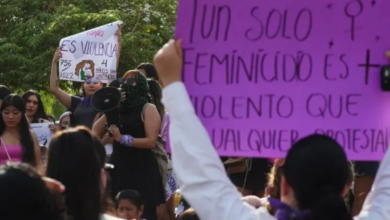
Mexican Femicide Ruling Puts Both Conservative Principles and Liberal Promises on Trial

Paola Buenrostro’s killing will be prosecuted as aggravated femicide, not under the newer law bearing her name. The Mexican ruling challenges conservatives to defend equal protection and liberals to show that recognition means more than statutes, apologies, and public ceremonies.
A Friend Waits for Recognition
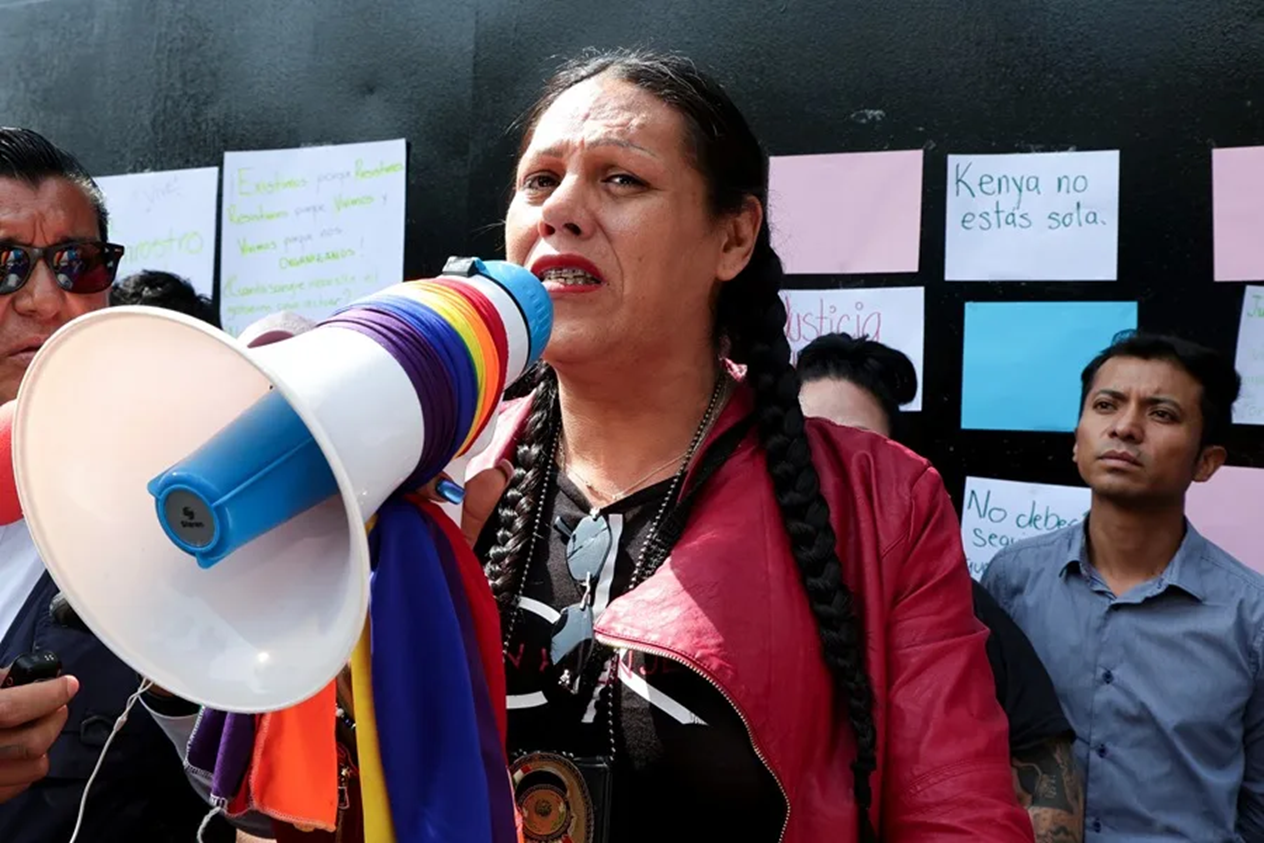
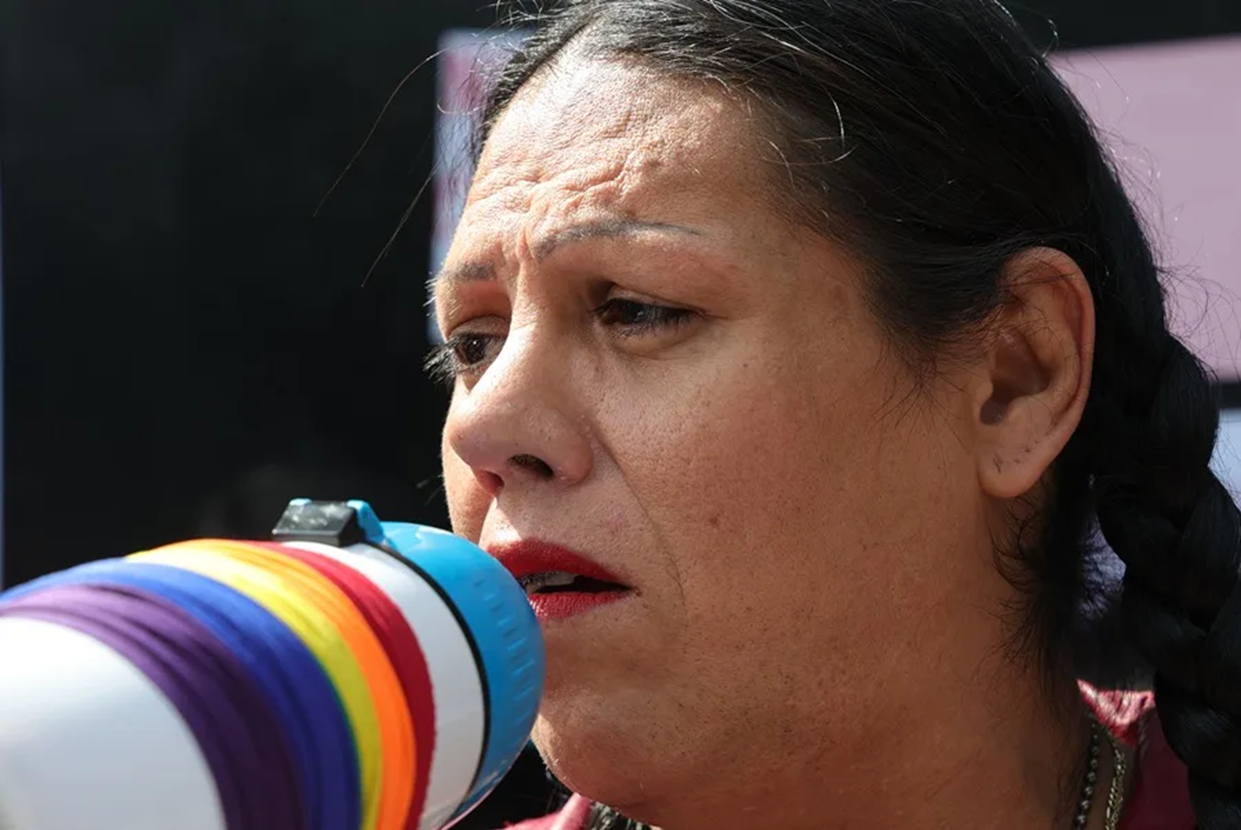
For Kenya Cuevas, the legal distinction belonged to a friend, not an abstract argument about gender. Paola Buenrostro was killed in 2016. Nearly ten years later, Cuevas emerged from a Mexico City hearing with something that should never have required such endurance: recognition that her friend’s death could be prosecuted as gender-based violence.
“Today is a historic day for trans women in Mexico,” Cuevas said after the September 4 hearing, according to EFE. A judge had changed the charge against Arturo “N” from aggravated homicide to aggravated femicide. Arrested August 31 under a warrant dating to 2016, he remains in pretrial detention. This is a prosecution, not a conviction.
The distinction carries philosophical weight. Can the law acknowledge the particular vulnerability of a transgender woman without abandoning universal principles? Can it correct exclusion without inventing punishment after the fact? The ruling offers a possible answer: equal protection and limits on state power need not be enemies.
Prosecutors explained that the separate offense of transfemicide, introduced through the 2024 Paola Buenrostro Law, cannot govern a killing committed before that crime existed. Femicide, however, had been criminalized in Mexico City since 2011. The prosecution is proceeding through that older category, not the newer law bearing her name.
This is not a judicial settlement of every argument about sex or gender. It is a decision about the legal framework for investigating and trying one killing. The prosecution still has to establish the defendant’s responsibility and the elements of the offense.
What Conservatives Should Want to Conserve
A principled conservative objection deserves a fair hearing: criminal law must be predictable, and courts must not stretch statutes simply because a cause attracts sympathy. Retroactive punishment would threaten everyone, including minorities vulnerable to an unfriendly government. Respecting that boundary is a constitutional safeguard, not an excuse for indifference. The accused’s presumption of innocence belongs inside that commitment, too. Recognition of a victim does not authorize shortcuts against a defendant.
But conserving legality is different from conserving the assumptions through which officials once applied it. A conservative commitment to public order should include competent investigation when the victim is a trans sex worker. Otherwise, “order” means reliable protection for the socially familiar and uncertain protection for everyone else.
That distinction is concrete here. Mexico City’s human rights commission recognized Buenrostro’s case as its first documented transfemicide in 2019 and identified failures to respect her gender identity. The prosecutor’s office publicly apologized in 2021. These were institutional acknowledgments of mistreatment, not merely activists disagreeing with a verdict.
Yet after the initial hearing this September, activists said authorities had again identified Paola as a man. They protested for hours; prosecutors promised to seek reclassification while denying institutional transphobia. An apology followed by allegations of repeated conduct raises a question more practical than ideological: what actually changed inside the institution?
Conservatives need not abandon concerns about precise statutory interpretation to insist on an answer. They should distinguish a legitimate challenge to the charge’s legal basis from an attempt to make the victim’s identity irrelevant before the evidence is examined. The former tests governmental power. The latter risks shielding its failures.
Liberal Promises Need Working Institutions
Liberal philosophy faces an equally uncomfortable test. Equal citizenship cannot end with respectful language, but neither can recognition substitute for a functioning prosecution. Mexico City approved a law named for Paola in 2024 while the warrant in her own case remained unexecuted until 2026. Legislative achievement and justice moved on different clocks.
The older data behind that reform deserve careful reading. Letra S documented 66 killings of LGBT people in 2023, including 43 trans women, roughly 65 percent. These are historical figures, not a 2026 total. The organization’s documentation also warns against treating recorded cases as a complete account of violence.
The concentration is striking, but a share of recorded deaths is not itself a comparative murder rate without population denominators. It supports focused investigation, not careless arithmetic. And when officials fail to record gender identity accurately, the resulting data can obscure the very pattern policymakers need to understand.
Here lies the strongest liberal argument for specific categories: equal protection sometimes requires identifying the particular reason someone was attacked. An ordinary homicide investigation can also examine prejudice, so a separate offense is not the only route to justice. Its practical value must lie in better investigation and accountability. Recognizing gender-based targeting should illuminate legally relevant evidence rather than dictate a predetermined verdict, or suggest that some victims’ lives are worth more than others.
But liberals should resist measuring progress by the number of new offenses alone. A statute cannot interview a witness, execute a warrant or correct an official record. Those tasks require institutions capable of doing what lawmakers announce. Paola’s case makes that gap impossible to celebrate away.
Neither tradition owns the whole answer. Conservatives should conserve restraints on arbitrary power, not inherited exclusions. Liberals should demand enforceable equality, not recognition without delivery. Cuevas has spent nearly a decade seeking justice for a friend. The measure of both philosophies is whether another friend must wait as long.
Also Read: Colombia’s First Month Under De la Espriella Tests Strength Against Crisis and War