Mexican Journalist Finds Home Needs Instructions, Then Builds Retache for Fellow Returnees
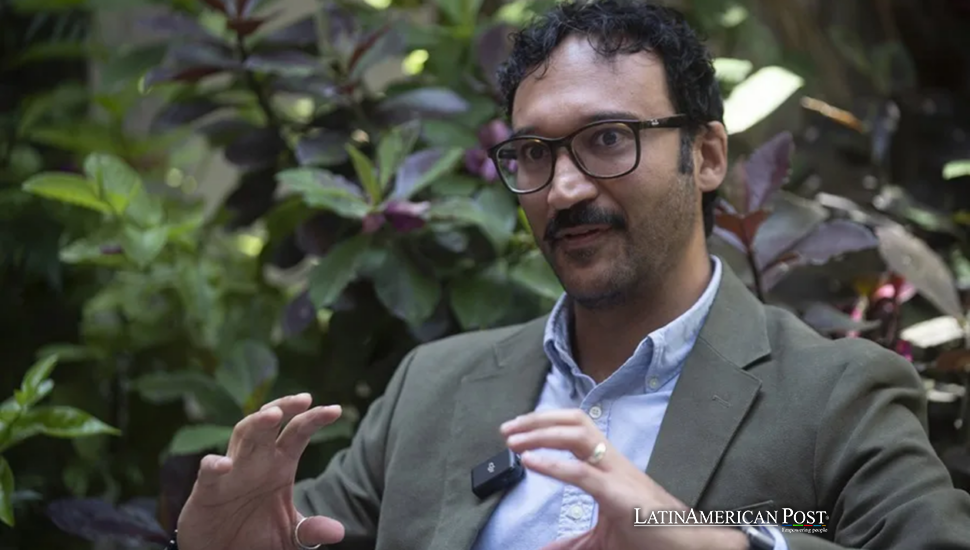
After 30 years in the United States, Mariano Ávila returned to Mexico and discovered that citizenship did not make reintegration simple. His platform, Retache, now helps fellow Mexican returnees navigate paperwork, rebuild connections and imagine a future beyond the border.
Home, Without a Return Ticket
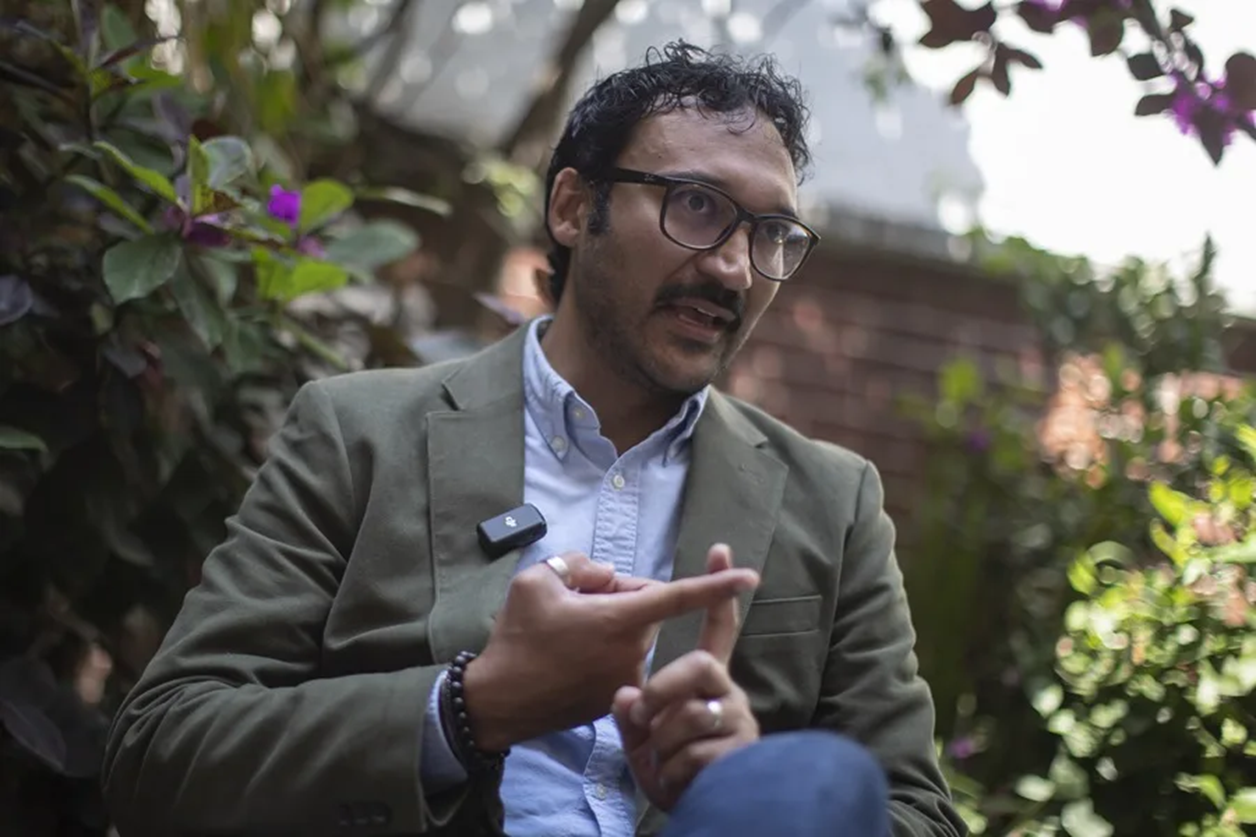
The paperwork was Mexican this time. After three decades in the United States, Mariano Ávila was making videos about obtaining a voter identification card and registering with Mexico’s tax authorities. The country where he was born had become a place he needed to learn again.
Ávila, 48, returned to Mexico City in June 2025. Initially, he wanted his children, born and raised in the United States, to experience a couple of years in Mexico. Then the plan became something else: a move without a return ticket, he explained in an interview with EFE.
For his children, Mexico was a place to get to know, not where they had grown up. That difference ran through the original family plan: the father was returning, while his children, born and raised elsewhere, were beginning an experience of their own. One household could contain both kinds of arrival.
He linked his decision to anxiety after President Donald Trump’s return to office. Although everyone in his family held U.S. citizenship, he feared arrest or detention, especially for his children. Being Mexican and brown-skinned, he said, had left him feeling that he did not belong.
“We are all citizens,” he told EFE. His departure was voluntary, not a deportation, but fear shaped the decision. He also acknowledges that he came back in more favorable circumstances than many others. An ex-ambassador encouraged him to help people taking the same route with fewer resources, sometimes in handcuffs.
That distinction became essential to Retache. Ávila could share what he was learning without suggesting that a planned family relocation was equivalent to forced removal. Both journeys ended in Mexico. The means of arrival, and the resources available afterward, could be very different.

A Million Views, Many Different Returns
Retache began with a video in October 2025. Within two weeks, the project had surpassed a million views and 30,000 followers, Ávila told EFE. His early subjects were ordinary administrative tasks, the kind of practical questions that can make home feel unexpectedly foreign.
The audience figures suggest substantial interest, not a count of people successfully resettled. Views can repeat, and followers need not be returnees. Still, the rapid response gave an improvised project an audience for something less glamorous than migration success stories: instructions for getting started again.
Working with volunteers, Ávila expanded the material into return guides and personal accounts, ranging from difficult experiences to everyday adjustments. The combination matters. A guide can explain a procedure; another person’s story can make the difficulty of needing that explanation less isolating.
Official figures cited by EFE record 271,193 Mexican repatriations from January 20, 2025, through August 14, 2026. Voluntary returns are excluded. Ávila’s family therefore illustrates a limitation of that total: people can relocate south without appearing in the count used to describe enforced returns.
A separate International Organization for Migration study of Mexicans returning between 2023 and 2025 found that 17 percent cited work or fear, while the rest returned through intervention by authorities. Those findings concern that study’s participants and period. Applying its proportions to the later repatriation total would mix different populations.
Even within a category labeled voluntary, the word fear complicates the picture. Choosing departure and feeling secure enough to stay are not identical. Retache’s accounts make room for those distinctions without giving every return the same explanation.
The Distance Between Arrival and Belonging
The integration figures describe another difficulty. The Semillas en Trayectoria index places Mexican returnees at 0.59 on a scale of one, compared with 0.55 for migrants born in other countries. Returnees rank near the bottom despite coming to their country of citizenship, according to the findings cited by EFE.
The gap between those groups is just 0.04 index points. That does not mean 59 percent of returnees are integrated, nor does it explain every individual experience. It does challenge the assumption that returning nationals can simply resume belonging where they left off.
Ávila chose a name with room for that uncertainty. Retache, he explained to EFE, can suggest being sent back, returning by choice or getting up after being knocked down. The name makes returning a process, rather than a verdict on the person.
“Sometimes we return with the American dream in our hands,” he explained to EFE. For others, he said, that dream became a nightmare. His account allows for different experiences, rather than treating every homecoming as proof of personal failure. The person arriving with savings and the person arriving after expulsion may need similar instructions without having lived the same journey.
For him, the next task is finding a “Mexican dream.” He describes the ambition through a restaurant: someone starting out washing dishes should have a path toward owning the business. It is his image of economic mobility, not a promise that either country automatically delivers it.
“We want to participate fully,” he told EFE. He does not want returnees kept at the margins of a society they have contributed to for decades. Retache starts with documents, but his ambition reaches beyond completing the correct form: a chance to build something after the journey ends.
Also Read: Panama’s Dark Beach Guards Four Turtle Species Against a Rapidly Brightening Coastline