Northern Colombia Faces Burning Buses and a Paramilitary Past That Never Ended
Burned buses and threatened shops in Northern Colombia expose the enduring reach of a paramilitary network descended from marijuana guards. As soldiers deploy to Santa Marta, its history shows how trafficking routes and family connections survived demobilization and repeated crackdowns.
The Cost of Staying Open
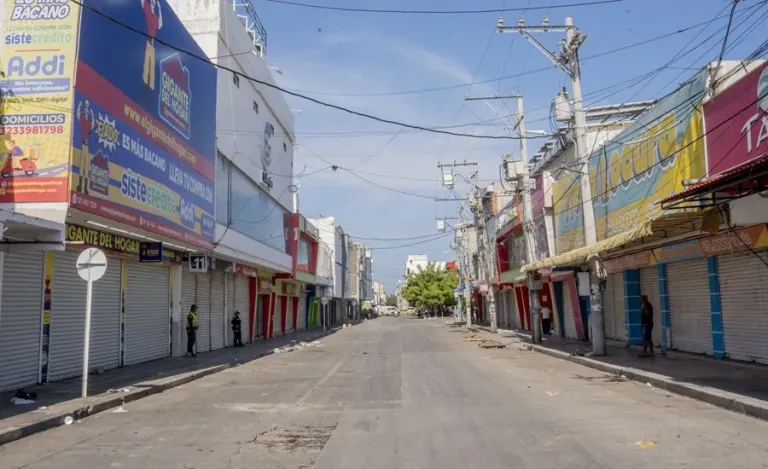
For Santa Marta’s shopkeepers, the latest confrontation came with an instruction: close. Gunmen burned buses and trucks, fired shots, and threatened businesses after security forces killed José Luis Pérez Villanueva, known as Cholo, on September 21. Authorities identified him as the second-in-command of the Autodefensas Conquistadoras de la Sierra Nevada, or ACSN. The group declared a 48-hour armed shutdown. EFE’s reporting describes an enforced interruption of ordinary life, not a strike supported by the people whose livelihoods it suspended. A shuttered business can demonstrate the credibility of a threat without demonstrating any allegiance to those making it.
Cholo was the second senior figure killed in 17 days. On September 4, police killed Naín Andrés Pérez Toncel, known as Bendito Menor, in Riohacha. Authorities accused both men of overseeing trafficking activities, with Cholo allegedly coordinating routes toward Central America. Two leadership losses within three weeks did not prevent retaliation against civilians. That distinction matters: damage to a command structure and the ability to intimidate a neighborhood measure an armed organization’s strength in different ways.
For a transport operator, the losses also run on different clocks. Two days without fares can mean income never recovered. A burned bus remains unusable after the shutdown expires. The reporting provides no reliable total for that damage, but replacing a vehicle is not the same problem as reopening a road.
The Network Outlived the Boss
The ACSN, also known as Los Pachenca, emerged after the 2006 demobilization of paramilitary forces under Hernán Giraldo Serna. Its origins, however, go back further. The earlier network guarded merchants and marijuana growers in the Sierra Nevada, according to the research organization InSight Crime. As FARC guerrillas expanded, Giraldo enlarged his organization. It eventually joined the United Self-Defense Forces of Colombia, the AUC. Distinguishing that predecessor from today’s ACSN matters: the present group did not begin guarding marijuana crops only after 2006. It inherited relationships built long before demobilization.
Giraldo’s relatives helped preserve trafficking corridors and extortion networks across Magdalena and La Guajira. For residents, that continuity meant the disappearance of a paramilitary formation did not necessarily remove the people who knew where to collect money or who to threaten.
The two businesses reach different pockets. Drug trafficking earns money from moving an illegal commodity; extortion extracts it from people running legal businesses. That combination helps explain why a conflict over command and smuggling routes can arrive at a shop counter. The merchant need not have any connection to drugs to become part of the group’s income stream.
Competition also changed shape. In 2012, the network fought the Clan del Golfo over trafficking territory. Under Jesús María Aguirre Gallego, known as Chucho Mercancía, the rivals subsequently became partners moving drugs out of northern Colombia. He was killed in 2019; the network survived, and its relationship with the Clan again became hostile. Those shifting alliances suggest that control of routes could outweigh earlier enmities. They also explain why removing one commander cannot, by itself, establish that the commercial relationships supporting an organization have disappeared.
Giraldo was extradited to the United States in 2008 and sentenced in 2017 to 198 months, or 16½ years, for a cocaine-trafficking conspiracy. He returned to Colombia in January 2021 and remains imprisoned. His absence had not removed the network he left behind on the Caribbean coast.
In July, Colombian prosecutors announced a separate sentence of almost 21 years for sexually abusing three girls, aged 11 and 12, including while incarcerated. EFE reported that he forced them to live on his properties and visit him in prison. The victims’ experiences show that his power extended beyond drugs and armed rivals.
Troops Arrive, Questions Remain
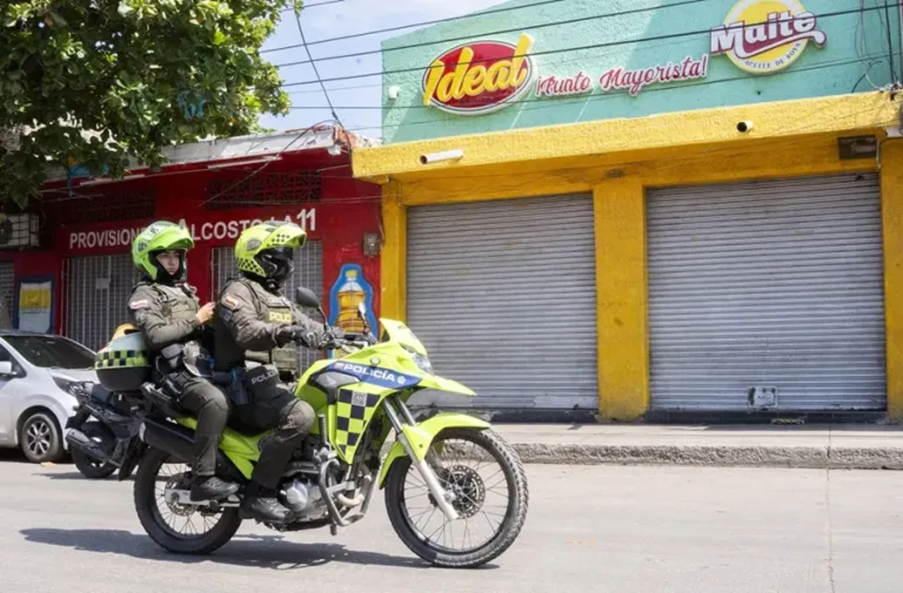
President Abelardo de la Espriella has made the response highly visible. After the September 4 operation, he presented Bendito Menor’s body, wrapped in a white tarpaulin, to journalists. Following the Santa Marta attacks, he traveled to the city and ordered military reinforcement. In remarks reported by EFE, he warned criminals refusing to surrender that they would end up “in a bag and dead.” The government says its offensive targets the organization’s leadership and seeks to restore security for residents.
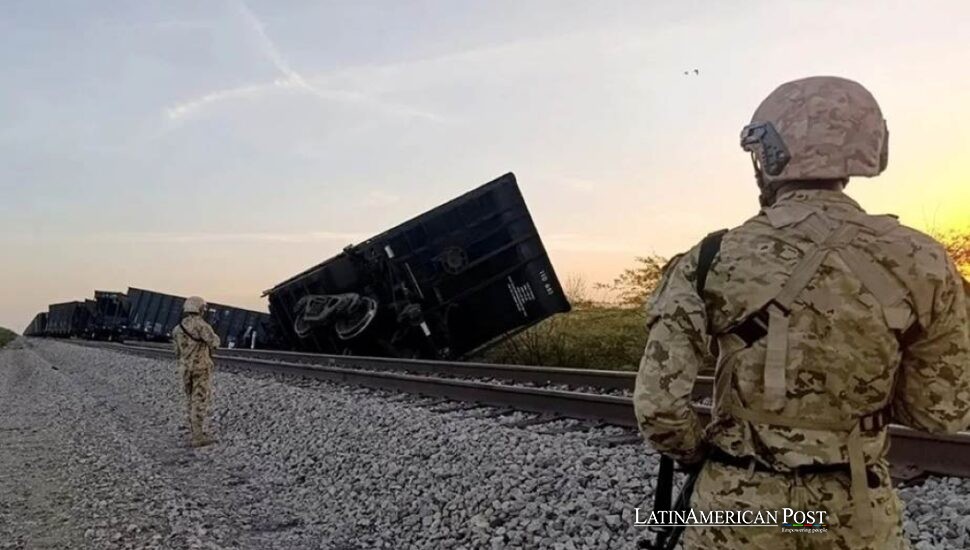
The announced deployment includes more than 500 soldiers and 600 police officers across Santa Marta and neighboring Ciénaga, for more than 1,100 personnel. Those figures describe the response’s scale, not how long protection will last or how much of the criminal structure has been dismantled. By Wednesday, the president said security forces controlled Santa Marta, Ciénaga and the Troncal del Caribe, the highway connecting the northern coast.
De la Espriella also announced transfers of approximately 76 prisoners whom the government links to the ACSN, saying the moves would prevent orders from being issued from jail. These are existing prisoners, not 76 new arrests. The measure addresses a different concern from street patrols: command continuing behind bars.
Twenty years after demobilization, Santa Marta is confronting that difference between removing armed leaders and ending their networks’ reach. For a shopkeeper, the useful measure is more ordinary: opening tomorrow because customers are coming, not staying closed because an armed man said so.
Also Read: Mexico Grows Older, With More Homes but Fewer People Under Each Roof