Honduras Counts Empty Corn Rows as Drought Steals the Final Planting Season
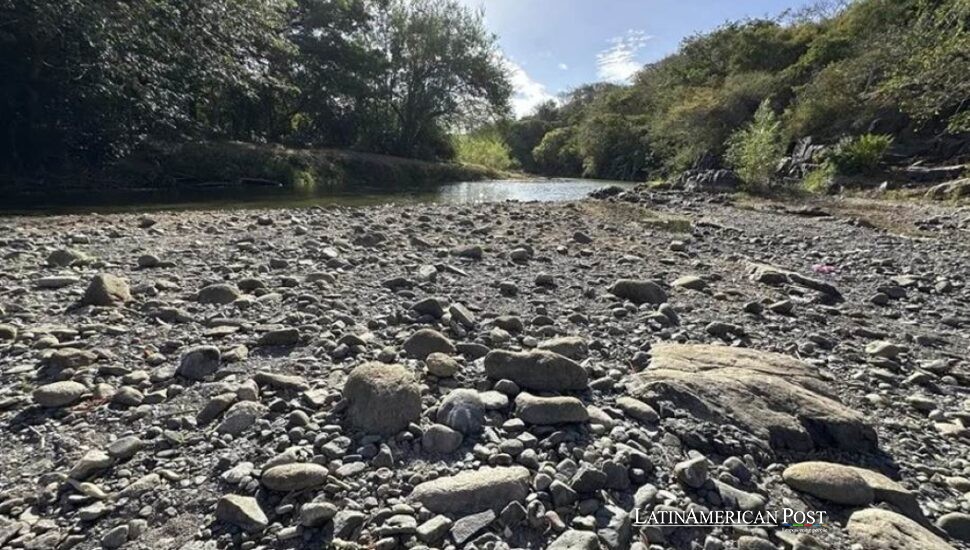
In southern Honduras, ninety-one-year-old Gertrudis Paz holds a nearly barren ear of corn, proof of a harvest erased by drought. With wells failing and September rains uncertain, one lost planting now threatens food, livestock, income, and next year’s survival itself.
A Harvest Reduced to a Handful
Gertrudis Paz turns the damaged ear of corn in his hand as though it might explain itself. At 91, the farmer from Cerro Mangles in Marcovia has known lean seasons. This one feels different. The cob carries only a few kernels. Everything else is absence.
Paz planted in May after two light rains touched southern Honduras. The showers persuaded farmers that the primera, the year’s first planting, might begin. They were not enough to keep the maize alive. In his plot, the loss was total.
“I lost everything,” Paz told EFE. He gave the dried stalks and leaves, known locally as guate, to cattle ranchers. He had built the field “out of pure poverty,” working in short stretches and paying a laborer when his body could not manage. He gathered “not even enough for a chicken.”
The phrase lands harder than a statistic. In Honduras, maize is tortillas, animal feed, and often the thin margin separating an elderly rural resident from dependence. Paz lives alone. His failed field was both pantry and insurance policy.
“If God wills it, I have faith I can plant again, if it rains,” he told EFE.
That condition hangs over Marcovia. September rain could permit the postrera, the last planting of the year. Without it, the drought will not represent one missed harvest. It will close the agricultural calendar itself.
When the Wells Begin to Retreat
Marcovia should have entered September in motion. Fields in one of Choluteca’s most productive municipalities would normally be cleared, seeded and watched for the first signs of the postrera. Instead, the land is waiting.
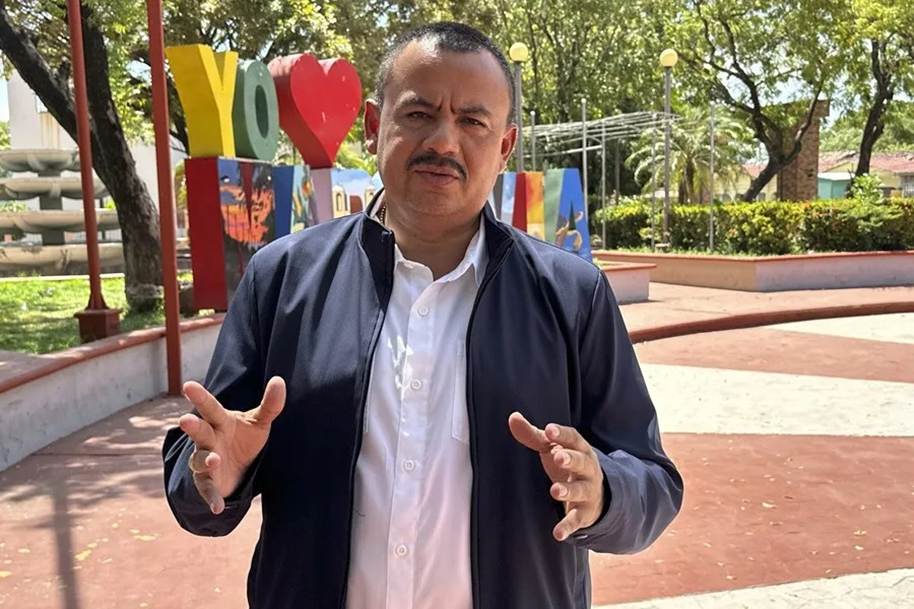
“It has not rained at all,” Mayor Nahún Cálix told EFE, attributing the crisis to climate change and El Niño. He said wells are drying and some communities receive water only once every ten or fifteen days. This is a domestic emergency measured in cooking, bathing, drinking, and the careful reuse of every bucket.
The scale reaches beyond Marcovia. Of Honduras’s 298 municipalities, 103 are under red alert or emergency because of the lack of rain. That is more than one-third of the country. Sugar cane, export okra, beans and maize have been affected, linking household food security to wages and foreign earnings.
The government says Honduras has not reached famine, while the World Food Program and state agencies have begun delivering assistance in some municipalities. The distinction matters institutionally, but sounds remote beside an empty field. Hunger advances through smaller losses: fewer tortillas, sold animals, skipped medicines and borrowed money.
Pablo Santos, 74, told EFE he had never seen a drought this severe. He prepared his land for the first season but could not plant maize. Now the plot is cleaned again for the postrera, though readiness without rain is another form of waiting.
In good years, Santos said, his small parcel can yield 40 quintals of maize, about 1.8 metric tons. That figure reveals what drought removes from a household economy. It is food, seed, animal feed, school money and bargaining power where cash is scarce.
For rural households, the season’s failure is cumulative: each empty sack weakens the ability to buy food, preserve seed, repay debts or try again next year.
Cálix has asked the Agriculture and Livestock Secretariat for drip-irrigation projects so farmers are not wholly dependent on rainfall. The request exposes a long-standing imbalance. Small producers carry climate risk personally, while irrigation, water storage, and rural infrastructure arrive late, unevenly, or not at all.
The Sea Beneath the Dry Ground
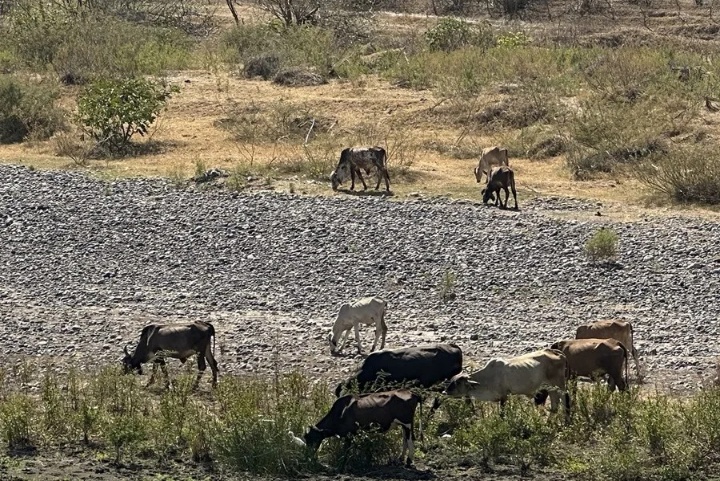
For cattle ranchers, the drought is visible in thinner animals and weaker milk production. Some have lost cattle to hunger and thirst. Others are buying feed at rising prices as pastures disappear.
“We are reaching a critical moment,” Johana Sandoval, president of the cattle ranchers and farmers association in Monjarás, told EFE. There is little pasture left, she said, and the cost of keeping animals alive keeps climbing.
Even irrigation is failing. Sandoval said some ranchers cannot plant because their wells have dried. Digging deeper carries another danger. Marcovia lies beside the Gulf of Fonseca, and farmers fear striking saline water that could damage the wells.
That possibility gives the crisis a cruel geography. Water may exist below ground, but in the wrong form. The nearby sea, source of fishing, trade and coastal identity, can become an underground threat when freshwater retreats.
The drought moves through connected systems. Failed maize becomes cattle feed. Missing pasture raises ranching costs. Dry wells reduce household water. Lower milk production cuts income. A lost postrera pushes families toward 2027 with fewer reserves and more debt.
Paz’s nearly empty cob is small enough to hold in one hand, yet it contains the entire chain. The first planting is gone. The final planting is uncertain. Wells are receding, cattle are weakening, and public assistance must arrive before emergency becomes destitution.
In Cerro Mangles, the soil has been prepared again. Farmers have done the part still available to them. Now they look upward, not for an abstract miracle, but for enough rain to keep the next year from beginning hungry.
Also Read: Mexico’s Avocado Trade Turns Green Gold Into Cartel Battlefield and Bargaining Chip