Bogotá Finds Cali’s Rhythm as Petronio Turns Earthquake Grief into a Lifeline
Bogotá’s Petronio Álvarez festival extension brings Pacific music and Afro-Colombian craftsmanship to a city far from the earthquake’s worst destruction. For artisans who survived, the celebration offers something urgently practical: customers, income and a place to meet others rebuilding lives.
Two Days Without a Signal
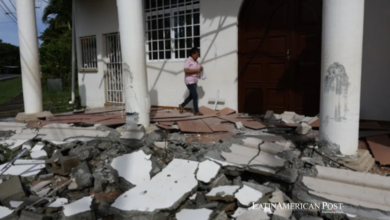
For two days, Orfelia Casquete was considered missing. She and a companion had been carrying merchandise to Cali’s Petronio Álvarez festival when the August 10, 2026, earthquake, magnitude 7.4, triggered a landslide that blocked the road from Buenaventura. They survived. Getting word out was another matter.
“We eventually reached the city, but because we had no coverage, we were reported missing for two days,” she told EFE.
In Bogotá this past weekend, Casquete was showing customers hats woven from tetera fiber and amulets carved from a mixture made with coconut shells. Her merchandise had a destination again. So did the work invested in making it.
Casquete had been offered a space to participate. That practical gesture allowed her to appear before a new public as an artisan, rather than only as someone who had survived. The distinction shows in the goods she displays: useful things, handmade and still waiting for buyers.
Petronio’s 30th edition had been scheduled for August 9 through 17 in Cali. Earthquake damage interrupted that celebration. A special extension runs September 3 through 20 at Corferias in Bogotá, where roughly 120 vendors have another chance to sell.
Those 18 calendar days provide a longer window than the original nine, but not a guarantee of recovered earnings. Different customers and different surroundings make the comparison uncertain. Casquete also values something no sales receipt records: meeting others who endured the same tragedy, she told EFE.
More Than a Market
The figures from Colombia’s National Unit for Disaster Risk Management, cited by EFE on September 7, explain why this cannot simply be a story about moving a party. Cali accounted for 153 of at least 331 deaths, approximately 46 percent. The other 178 recorded deaths place more than half the toll beyond the festival’s usual host city.
That geography matters. The blocked route between Buenaventura and Cali was not incidental to Casquete’s story. It connected her products with their intended market. Restoring cultural commerce therefore involves more than finding another stage: producers must also be able to travel and deliver their goods.
The same official tally listed 4,439 injured people and 240 missing. Casquete’s own period without contact ended. Her return cannot stand in for the answers other families still need.
For the participating vendors, another loss threatened after the shaking stopped: a market disappearing when their products were already prepared. Materials and hours of labor can remain trapped in unsold stock. A stall in Bogotá offers a chance to turn that stock into income rather than absorb another setback.
But 120 participants measure access, not compensation. Without sales totals and documented losses, there is no basis for declaring livelihoods restored. The extension preserves an opportunity to earn; it does not reimburse destruction.
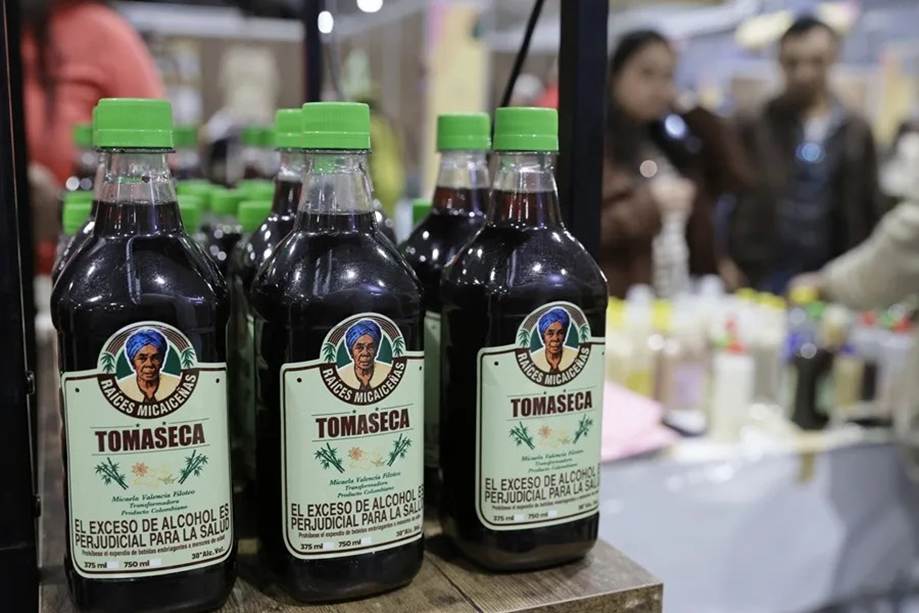
What is being sold also matters. Tetera hats and coconut amulets embody particular materials and skills. Bottles of cream made with viche, a traditional sugarcane spirit, bring another strand of Pacific knowledge into the exhibition hall. Afro-Colombian hairstyles and clothing make African inheritance visible through services and objects people use.
Buying that work on its own merits recognizes the sellers as producers, not merely recipients of sympathy. Cultural solidarity becomes more substantial when appreciation reaches the people whose skill makes the celebration possible.
Putting culture on hold until reconstruction ends would miss precisely this connection. For these traders, making and selling are not activities that follow recovery. They are among the ways to begin it.
Dancing Without Forgetting
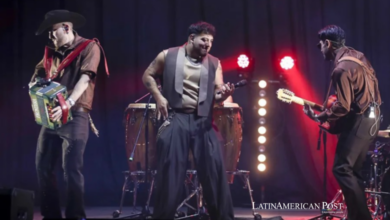
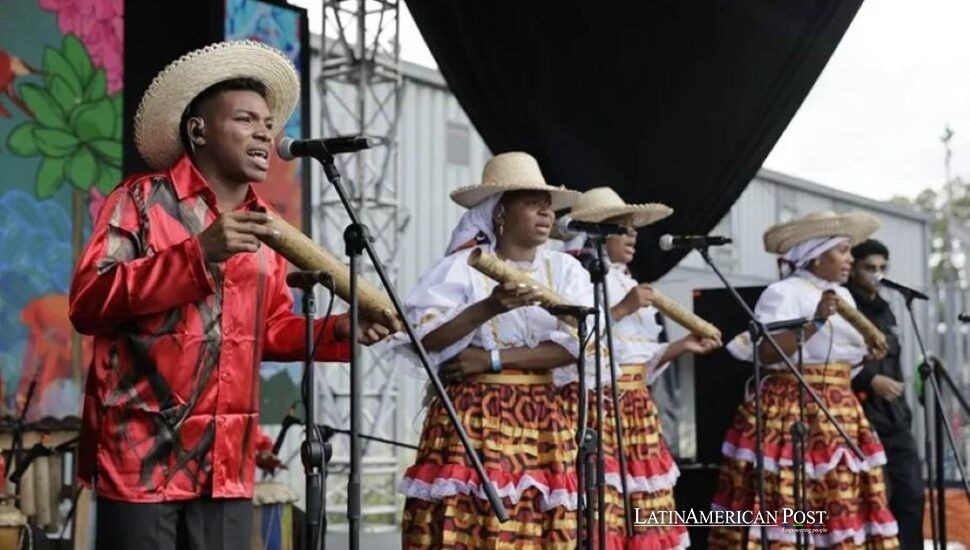
Onstage, Patacoré’s musicians wore intense red shirts and regional hats. The cantadoras appeared in broad skirts and turbans. Winners of the festival’s 2025 marimba and traditional singing category, they arrived with artistic standing that preceded the disaster, EFE reported.
The marimba’s tuned wooden bars accompanied the voices, while cununo and guasá helped carry the rhythms. Lead singer Andrés Steven Quiñones, from Tumaco in Nariño, told EFE that music creates “a bridge between the divine and the earthly” and gives Pacific communities a means of resistance.
Quiñones described death after a fulfilled life as rest, something that can be greeted with happiness. His recollection of the earthquake was different. Asleep when it struck, he woke to the earth cracking, an experience he called terrifying.
His beliefs should not be flattened into a reassuring claim that these communities meet every loss with a song. Joy and terror occupy the same testimony. The music does not erase what happened; it allows the people who experienced it to speak in a language they already possess.
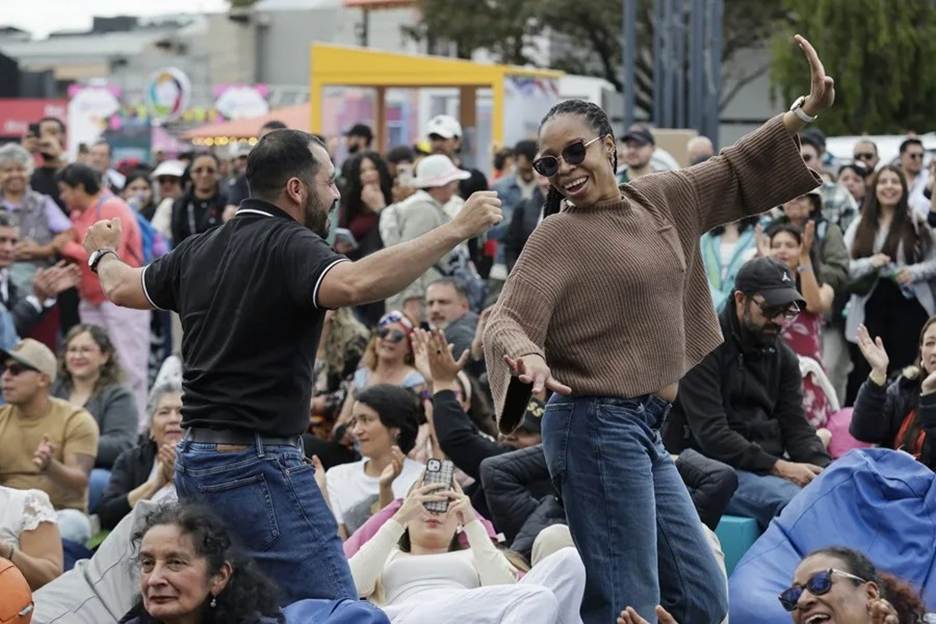
Among the visitors was Sandra, a Bogotá resident who told EFE she had come to support fellow Colombians and stand together after the tragedy. The rhythms brought her to a place where that support could become a purchase, a conversation or simply attention.
For Casquete, a hat remains something she knows how to make, and somebody might carry home. Its sale cannot rebuild a road or locate the missing. It can help finance the next piece of work. After two days of being considered lost, she is here, showing what her hands can do.
Also Read: Latin America Faces El Niño’s Hunger Bill as Corn and Beans Wither