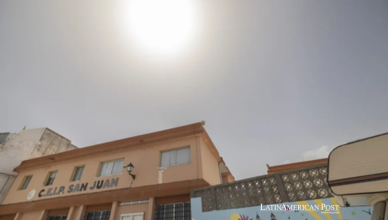
Latin America Faces El Niño’s Hunger Bill as Corn and Beans Wither
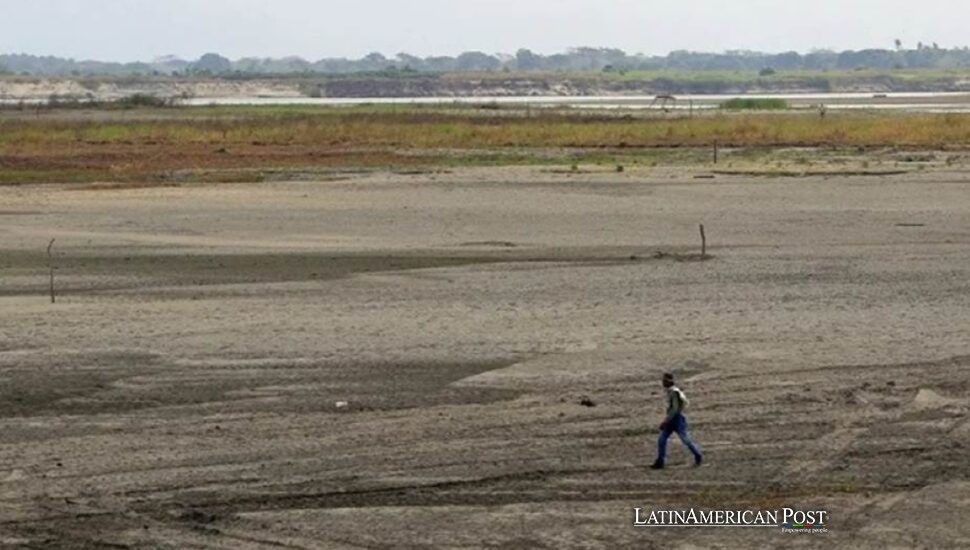
El Niño threatens to push 16 million more people into food insecurity across Latin America and the Caribbean. In Honduras, failed harvests reveal why school meals, timely cash and rural investment matter as much as the rain that never arrives.
When the Field Stops Feeding
Corn and beans are not abstract commodities in Honduras’s drought emergency. They are the crops that have failed, partly or completely, in communities placed on red alert in August. More than 100 communities faced emergency status, EFE reported. For families growing their own food, a ruined harvest means finding money to buy what their land was supposed to provide.
That household predicament stood behind Lena Savelli’s warning in Tegucigalpa on September 7, 2026. After meeting Honduran President Nasry Asfura, the World Food Program (WFP) regional director said El Niño could leave another 16 million people in Latin America and the Caribbean facing food insecurity, bringing the total to 49 million additional people worldwide.
“We expect some 16 million additional people to feel the impact of El Niño,” Savelli told reporters, according to EFE. She emphasized both immediate assistance and the need to strengthen food systems and expand social programs.
The geography helps explain the urgency. The Central American Dry Corridor stretches from southern Mexico to Costa Rica. Around 10.5 million people live there, according to figures cited by EFE, many depending on seasonal rainfall for subsistence crops. A missed rainy season can therefore become a food shortage without ever passing through a commercial warehouse.
The warning was not new. In May, three UN food and rural development agencies had urged preparation, citing a 70 to 80 percent probability of El Niño and potentially severe impacts. Months separated that forecast from Honduras’s emergency declarations. The need for assistance was foreseeable, even if individual harvest losses were not.

The Numbers Behind the Meal
Sixteen million represents roughly one third of the projected 49 million increase. But these are people at risk of deteriorating food security, not a count of people already starving. WFP’s underlying August assessment concerns acute food insecurity by the end of 2027 across 45 vulnerable countries. It is a warning with a time horizon, not a completed census.
The existing regional burden is already immense. The May UN statement cited more than 33 million people suffering hunger, 167 million experiencing moderate or severe food insecurity, and over 181 million unable to afford a healthy diet.
Those figures describe overlapping conditions, not separate populations to be added together. Their significance lies in the distance between staying alive and eating adequately. A family may still find something to put on the table while losing reliable access to sufficient, nutritious food.
The policy implication is that emergency grain cannot repair the whole problem. Keeping corn and beans available matters, but a response measured only in calories could leave the broader affordability crisis intact. Governments need to protect purchasing power alongside harvests, not treat hunger as an isolated supply problem.
The damage has a longer history, too. The UN Food and Agriculture Organization’s assessment behind the $713 billion figure cited in May covers agricultural disasters across the Americas from 1991 through 2023, representing 22 percent of global agricultural disaster losses. Across those 33 years, that averages roughly $21.6 billion annually.
Now, expensive fuel, fertilizer, and food, compounded by war in the Middle East, threaten to deepen the shock. The UN agencies warned that those costs weaken purchasing power while increasing pressure on public assistance. The danger is not only less grain harvested. It is less grain affordable.
A School Meal Against Drought
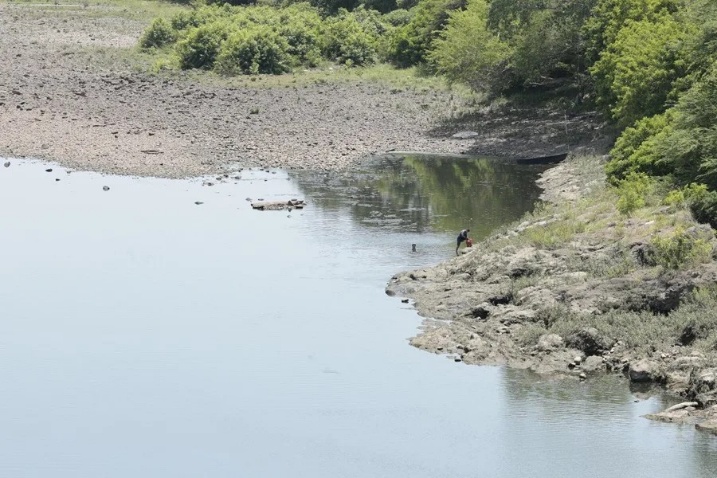
Honduras already has one substantial line of defense. Its National School Feeding Program reaches 1.2 million children, with WFP support, Savelli said in remarks reported by EFE. That reach makes an existing public program central to the response, rather than something peripheral to an agricultural emergency.
A dependable school meal can remove one immediate expense from a household confronting a failed harvest. But enrollment figures alone cannot show whether portions are adequate or supplies uninterrupted. The meaningful test is whether food keeps arriving when families need it most.
If food prices rise while funding stays fixed, maintaining portions and coverage becomes harder without savings elsewhere. The agencies’ warning about shrinking humanitarian budgets sharpens that dilemma. Protecting existing coverage therefore requires protecting what each allocation can actually buy, rather than treating last year’s spending as sufficient.
WFP also supports affected Honduran families through cash transfers and food baskets, working with national and local authorities. These tools answer different problems. Cash helps where food is available but unaffordable; a basket matters where a transfer cannot secure the necessary supplies.
In May, the UN agencies reported early preparations reaching more than 76,000 people in Central America through practical warnings, cash and staple grains, alongside weather monitoring. That figure records an initial intervention, not the share of September’s projected regional need already covered.
The distinction between relief and preparation is ultimately about timing. Money received before a household exhausts its food is different from assistance delivered afterward. Insurance and credit, which Savelli advocated, must protect the next planting season without merely transferring climate risk into household debt.
For Honduras, the political test is whether emergency support becomes dependable protection between harvests. Rain cannot be legislated into falling. A child’s next meal should not have to wait for it.
Also Read: Panama’s Dark Beach Guards Four Turtle Species Against a Rapidly Brightening Coastline