Peru Unearths Chan Chan Tombs and Finds Power Has an Afterlife Too
Untouched Chimú tombs at Chan Chan and ritual figurines from Kuélap are reopening Peru’s ancient history. Beyond the ornaments lie harder questions about rank, conquest and how communities negotiated imperial power through the dead they honored and lives they protected.
The Dead Kept Their Company
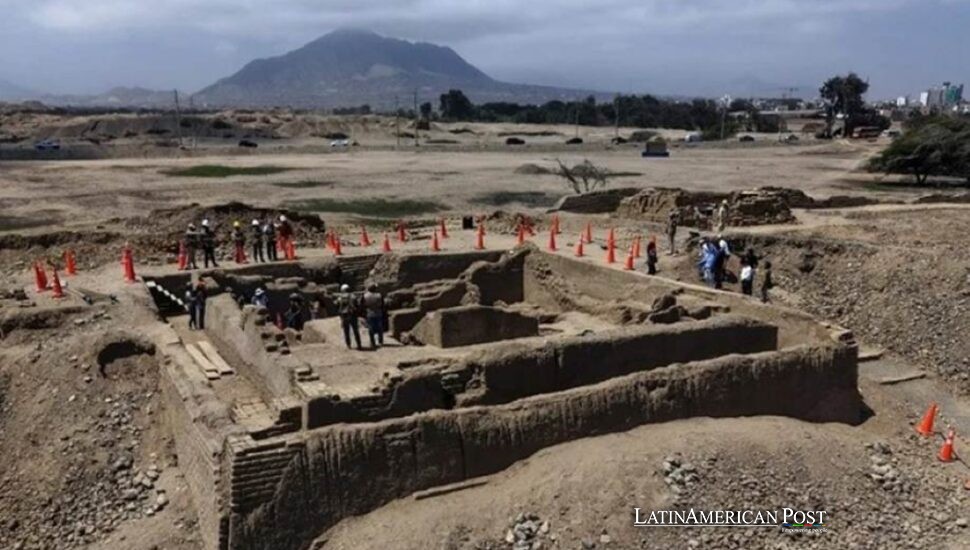
The valuables were still with the dead. At Chan Chan, the former Chimú capital near Trujillo, archaeologists found shell and metal objects accompanying people buried more than 600 years ago. What survived was not merely a collection of beautiful things, but the arrangement through which the living had honored their dead.
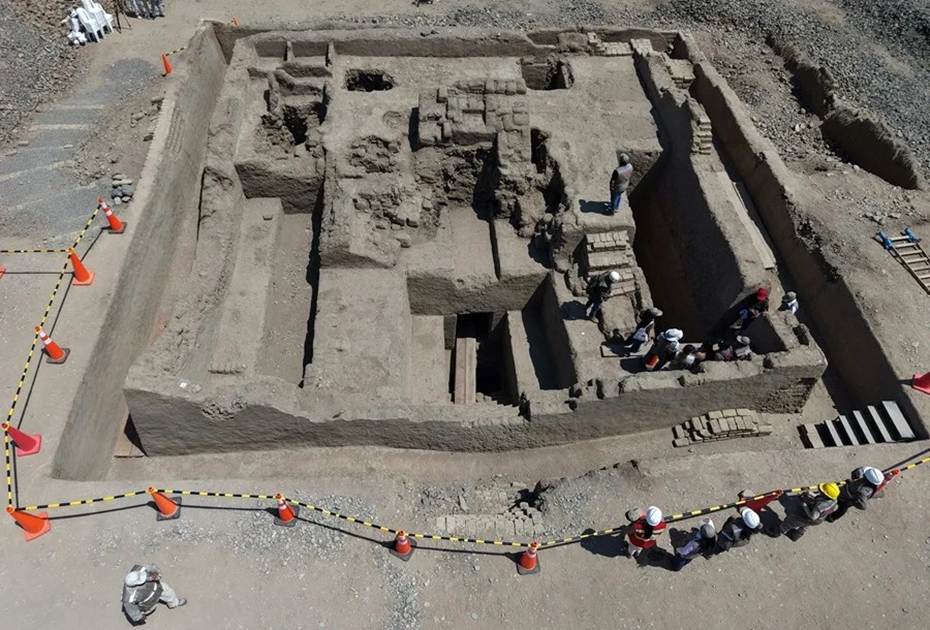
The discovery, presented by Peru’s Culture Ministry on September 8, contains approximately 38 individuals within Utzh An, the largest walled compound in the vast earthen city. A central chamber held someone identified as a member of the Chimú nobility. Two lateral chambers yielded further evidence, including weapons and metal emblems. The reported count combines about 20 individuals with another 18 recovered from the funerary platform. These are 38 people, not necessarily 38 separate graves, and the total alone does not establish that they died together.
“What we knew came from looted platforms,” archaeologist Jorge Meneses said in remarks reported by EFE. This time, researchers can study people and their possessions together, rather than reconstructing relationships already broken by plunder.
That distinction changes the questions available. An ornament can suggest wealth; its position beside a particular body can help explain how that wealth was assigned. Comparing the burials may reveal differences within the elite, not simply establish that an elite existed.
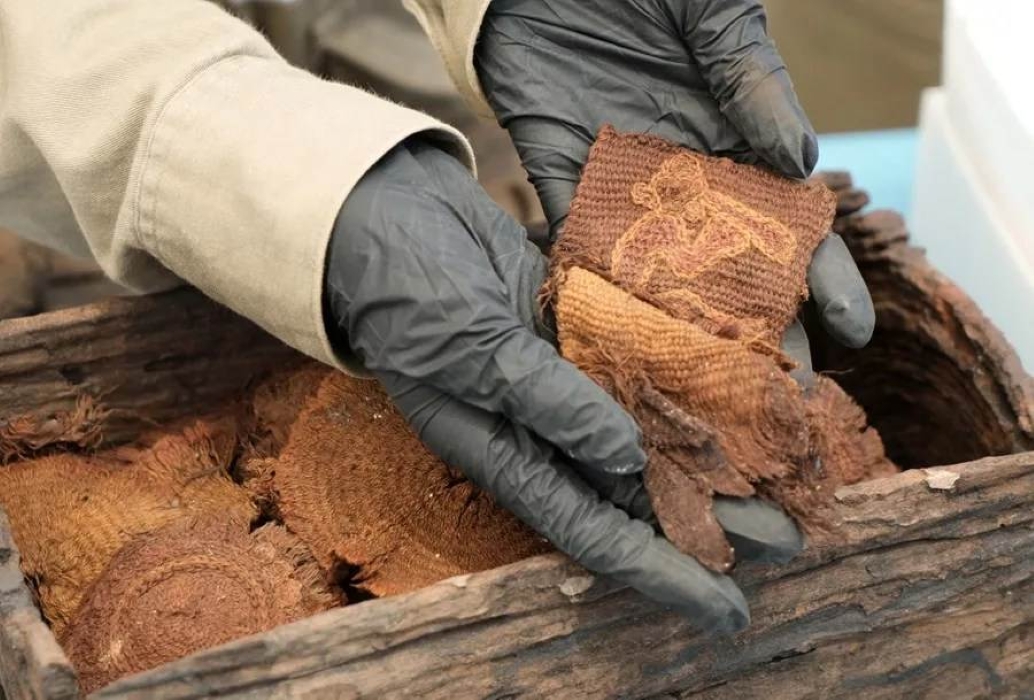
Fine ceremonial goods and applications of cinnabar, a red pigment, underpin the ministry’s identification of high status. Some heads and ceramic pieces retained red coloring. Those arranging the burials left distinctions for archaeologists to interpret. Death had not made everyone equal.
A Burial That Breaks the Pattern
One individual refuses to fit neatly into that picture. At the bottom of a chamber, the body lay fully extended, unlike the flexed positions, sometimes seated, ordinarily associated with Chimú burials. The ministry raised the possibility of sacrifice or a hierarchical distinction. Neither explanation is established. An unusual posture records a different funerary decision, not necessarily a violent death. The announcement supplies no finding that resolves how this person died. The body is exceptional; its biography remains unknown.
The 60 ceramic pieces introduce another complication. Bottles with stirrup handles and vessels show what the ministry describes as clear Inca stylistic influence, evidence that links it to interaction and the kingdom’s incorporation into the Inca Empire. For a Chimú capital, that influence reaches into a particularly intimate space. The question is not only who controlled the Moche Valley, but how changed political circumstances entered the ceremonies through which privileged families remembered their own.
Yet an inventory is not a chronology. Sixty objects cannot show whether every burial belonged to the same episode, and the platform’s reported antiquity does not date every vessel individually. Establishing those relationships matters before treating the assemblage as a single portrait of conquest.
The more revealing comparison will concern distribution: whether Inca influences accompanied certain individuals or appeared across the platform. Such differences help distinguish selective adoption from broader change. The announcement does not answer those questions.
For now, the discovery preserves a possibility looting had repeatedly compromised: examining imperial influence without losing sight of the particular people whose belongings it appeared in.
Empire at the Family Hearth
At Kuélap, another recent discovery brings that question closer to household life. Excavators recovered small stone figures representing animals with female sexual characteristics, the Culture Ministry announced. The site belongs to the Chachapoyas tradition, distinct from the coastal Chimú world. Its roughly 500 circular dwellings stand within imposing walls high in the northern Andes. The setting is monumental. The newly recovered objects suggest concerns of a more intimate scale.
The figures, called illas, resemble conopas associated with fertility and protection. Comparable ritual objects received offerings such as coca leaves or chicha, a fermented corn drink, according to the ministry’s explanation reported by EFE. That background does not establish which offerings these particular finds contained.
It suggests a world in which protecting animals and sustaining crops involved relationships with objects understood to possess active powers. Fertility was not a decorative theme. It concerned whether a household could continue. The ministry places the discovery against Kuélap’s documented Inca occupation and possible exchanges between local and wider Andean traditions. The objects could illuminate continuity or adaptation. Their presence does not, by itself, demonstrate that Chachapoyas practices disappeared under imperial rule.
The ministry also links conopas to relationships between households, local ritual traditions, and the Inca state. That complicates any separation between private belief and public authority. Rituals intended to safeguard a household’s future could also connect it to wider political obligations. Empire, in that interpretation, might enter everyday life without erasing everything that people had believed before its rulers arrived.
Back at Chan Chan, work at Utzh An was reported 79 percent complete through July. That measures an intervention, not how much history is understood. Culture Minister Alberto Beingolea pledged to preserve Chan Chan and share the findings, according to EFE.
The strongest return on that investment may be this: allowing the dead, and the objects once entrusted with protecting the living, to complicate the stories told about them.
Also Read: Peru’s Ancient Serpents Reveal How Caral Survived a Thirsting World