Colombian Star Karol G Makes Feeling a Global Power Move

Karol G’s sixth album pairs Bruno Mars and Drake with a more intimate Carolina, turning emotional excess into cultural argument. Behind the star collaborations lies a Colombian woman testing how vulnerability, ambition and Spanish-language pop can redefine power for millions.
The Bichota Turns Inward
Karol G has built an empire by making enormous rooms feel private. A breakup becomes a chorus. Shame becomes glitter. Words once trapped in someone’s throat return from a stadium stage, repeated by thousands of women who recognize themselves in them.
Her new album, NO ME ARREPIENTO DE SENTIR TANTO, arrives Friday with a title that reads less like marketing than a declaration: I do not regret feeling so much.
The Colombian singer confirmed the 14-track list on Instagram, according to EFE. Bruno Mars appears on “Still,” Drake joins her on “Ahí,” and Spanish artists Judeline and Rusowsky feature on “BbY WOW.” Greg Gonzalez appears on the previously released “Después de ti.” Another advance, “MATADORA,” debuted July 24 during the opening of her Viajando por el Mundo Tropitour in Chicago.
She also performed the title track this week in Washington. The rollout is global and commercially formidable. The emotional premise points inward.
Karol G recently told Elle that the album would open a door to a more intimate Carolina, referring to Carolina Giraldo Navarro, the woman beneath the Bichota identity, in comments reported by EFE. “Karol G” is one of Latin music’s largest brands. “Carolina” suggests memory, doubt and the cost of maintaining strength in public.
The album follows Tropicoqueta by barely a year. That record celebrated Latin roots through rhythm, color and regional inheritance. The new one seems to ask what remains when the celebration quiets. Its titles move through tears, lost love and uncertainty: “Bebiendo Lágrimas,” “Alguien que te amaba,” “Con quién andará,” “Eclipse.”
This is not retreat. For Karol G, intimacy is another arena.
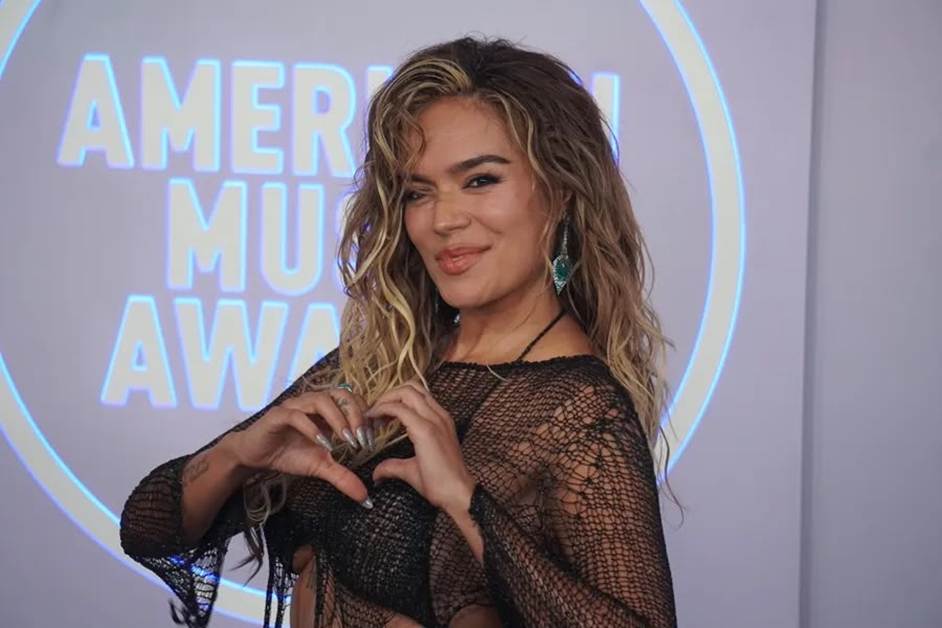
A Woman’s Voice Becomes Market Power
Reggaeton was global long before its industry fully accepted women as equal architects. Female performers were often expected to decorate a man’s song, embody desire, or compete for the narrow space labels believed existed for them.
Karol G changed the commercial calculation.
She became a stadium headliner and streaming force without being defined by a male partner or abandoning the language and identity of Medellín. Her collaborations with Bruno Mars and Drake therefore carry a reversal. They do not introduce her to the global market. They enter a world she already commands.
For decades, Latin artists were urged to cross over by moving toward English, softening regional identity or seeking approval from Anglo-American gatekeepers. Karol G belongs to an era in which global pop increasingly travels toward Latin music.
The more revealing guests may be Judeline and Rusowsky, artists connected to Spain’s experimental pop scene. Their presence suggests a record interested not only in reach, but in mood and exchange across the Spanish-speaking world.
The title speaks directly to women trained to apologize for emotional intensity. Across Latin America, women are still told they feel too much, speak too loudly or carry heartbreak too publicly. Men’s excess becomes passion. Women’s excess becomes instability.
Karol G reverses the verdict. Feeling is not what remains after power fails. Feeling is part of the power.
Her music has repeatedly turned romantic pain into communal release. It works because she does not demand that women become invulnerable before calling themselves strong. She can be glamorous and wounded, sexually confident and uncertain, independent and still grieving.
The message is not untouched by contradiction. Beauty, branding and sexual display remain part of commercial pop. Yet cultural change rarely arrives outside the market. Sometimes it occurs when a woman gains enough influence inside the machine to change what the machine considers profitable.
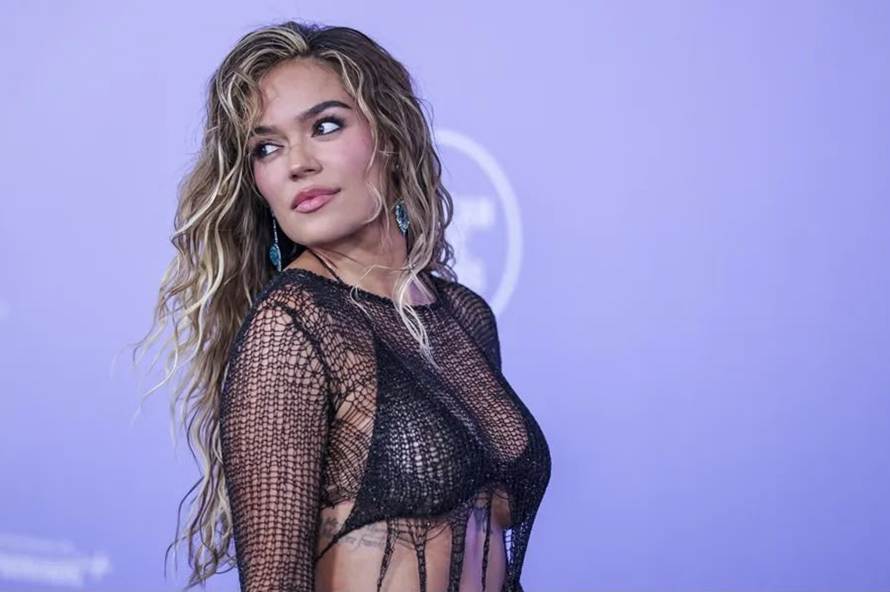
The Intimate Carolina Goes Global
Karol G’s Colombian identity is not a decorative origin story. Medellín is audible in her speech, central to her mythology and inseparable from the pride many listeners place in her success.
For Colombian women and girls, her visibility offers a particular image of possibility. International power does not require erasing an accent. Leadership does not require masculine distance. Ambition can coexist with femininity, and emotional openness need not cancel authority.
That matters in a region where women’s cultural labor is often celebrated before women receive control, credit or lasting wealth. Karol G represents more than visibility. She embodies ownership over a narrative, a touring machine and a public identity strong enough to survive reinvention.
The remaining songs include “Te llevas To,” “Maybe,” “Final feliz,” “For u My lova” and “Si lo ven.” Their mixture of English and Spanish reflects her audience’s borderless listening habits, but the center remains hers. She is not leaving Latin music to become global. She is showing that Latin music already occupies the center.
Still, intimacy changes when millions consume it. Confession becomes content. Healing becomes a campaign. The artist must keep producing vulnerability without surrendering the person who experiences it.
That is the risk inside the promise of a “more intimate Carolina.” Fans want the woman behind the icon, but access can become another demand placed on famous women. They are expected to disclose pain, explain relationships, model recovery and remain beautiful through all of it.
Karol G’s title pushes back. She does not apologize for how much she felt, or for making it visible. The phrase is personal. Its reach is collective.
When NO ME ARREPIENTO DE SENTIR TANTO arrives, headlines will focus on Bruno Mars, Drake and streaming numbers. The deeper story concerns a Colombian woman who converted emotional exposure into authority inside a genre that once restricted women’s roles.
The Bichota conquered the stadium. Carolina now wants the room to listen.
Also Read: Puerto Rican Reggaeton Royalty Eyes a Bigger Daddy Yankee Reunion