México World Cup Masks Make Lucha Libre Soccer’s Wildest Sidequest
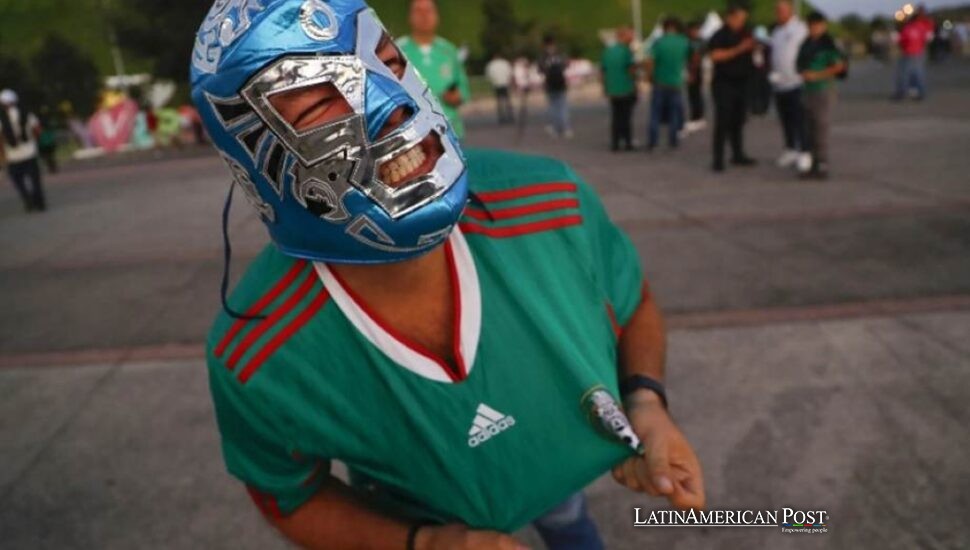
As soccer fans flood México for the World Cup, lucha libre has become the country’s unofficial night game, turning masks, market stalls, and Arena México into a living lesson on spectacle, class, memory, and national identity under bright arena lights.
The Other Fever in México City
The masked man seems to be everywhere now. Outside stadiums. In the streets. At bars with a beer in hand, posing for photographs with strangers who may not know his name, or whether he has one. He is anonymous, but he has become one of the clearest faces of this World Cup in México.
That is the lovely contradiction of lucha libre. The face is hidden. The country is revealed.
As reported by AP’s Nayara Batschke, travelers who came for soccer have been slipping into another national passion, the one with capes, ropes, aerial tumbles, villains, heroes, and masks hanging like saints’ portraits outside Arena México. While Spain and Uruguay fought through an agonizing match in Guadalajara, tens of thousands watched another kind of duel in México City: Místico and Máscara Dorada against The Beast Mortos and Sammy Guevara.
For visitors, it can feel like a surprise. For México, it is Tuesday, Friday, family lore, street commerce, childhood memory.
“You can’t come to México and not come to watch lucha libre. It’s a great tradition, a classic,” Andy Winston, a Manchester native traveling with his family across the three World Cup host countries while supporting England, told AP.
That line carries the tourist version of the truth. But the deeper truth is more local and more stubborn. Lucha libre is not a detour from the World Cup. It is México interrupting the World Cup to remind everyone where they are.
Masks Speak a Local Language
Inside Arena México, the global tournament does not disappear. It blends into the room. England shirts sit near Brazil yellow, Colombia colors, Spain red, Japan blue, South Korea red, and México green. The jerseys say nation. The masks say transformation.
“It was a wonderful night, much better than I imagined,” Henrique Nunes dos Santos of Brazil told AP. “You connect with the spectacle in a way that makes it all seem real. There’s a gigantic energy.”
Real is the keyword. Lucha libre has always lived in that delicious Latin American space between performance and belief. Everyone understands there is choreography, character, timing, and theater. Still, when the técnico rises and the rudo cheats, the crowd reacts with a sincerity that cannot be faked. The body knows before the mind explains.
The old morality play remains simple because it works. Good against evil. Skill against cruelty. Beauty against violation. The técnicos fly, suffer, return. The rudos bend rules, taunt grandmothers, steal applause, invite curses. It is operatic, comic, athletic, and oddly democratic. The arena gives everyone a role.
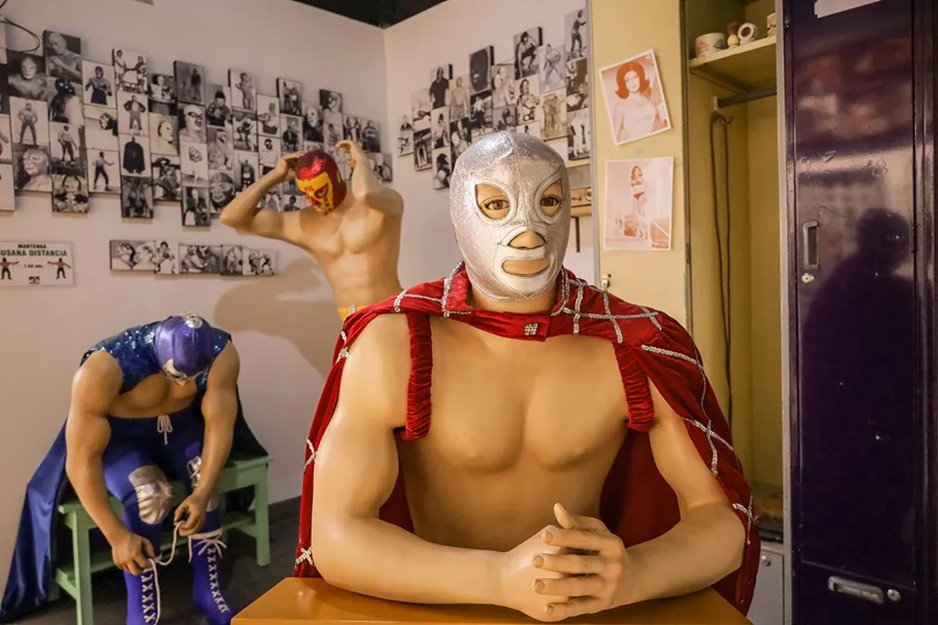
Julio César Rivera, spokesperson for the World Wrestling Council, told AP that lucha libre has been part of Mexican life for nearly 93 years and has become a national calling card. México City declared it cultural heritage in 2018, but the people had made that declaration long before any official stamp. They made it in ticket lines, living rooms, small businesses, and the hands of children trying on their first mask.
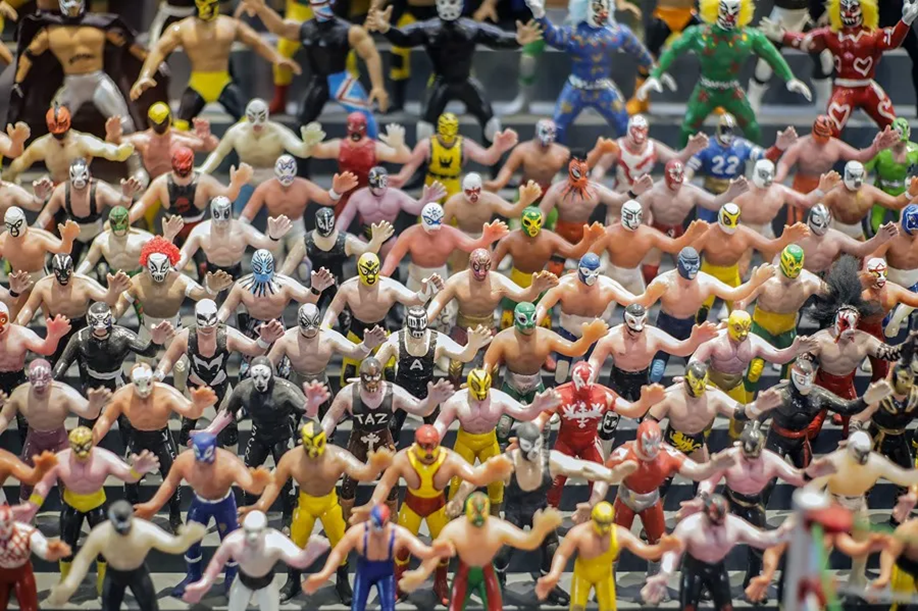
The mask is not just merchandise, though there is plenty of that. Outside the arenas and around World Cup stadiums, vendors display masks beside flags, scarves, jerseys, and tournament souvenirs. The mask is a second skin. It can turn a person into a superhero, a demon, an animal, a legend, or a joke with muscles. It hides the face but enlarges the self.
Star Black, a 30-year-old wrestler, told AP that lucha libre is his life. As a child, he helped his grandparents sell masks in a small local business. He fell in love with the masks, capes, aerial maneuvers, and movement. Then he trained. Then he became the thing he once sold.
That is how culture survives in México and across Latin América. Not only in museums. Not only in textbooks. It passes through stalls, grandparents, fabric, sweat, imitation, and the private decision of a child who says, one day, me too.
A Ring Bigger Than Soccer
The World Cup has amplified something that was already there. José Ángel Garfias Frías, a lucha libre expert at the National Autonomous University of México, told AP that the sport was already popular with tourists. Still, the tournament has packed arenas with visitors wearing national team shirts.
That matters beyond spectacle. The 2026 World Cup is spread across Canada, the United States, and México, but México offers a different emotional infrastructure. It not only hosts matches. It absorbs visitors into existing rituals. Amid soaring prices elsewhere, as Garfias noted, México has also become a hub for tourists staying before traveling to games in other host countries. That economic detail has cultural consequences. People arrive for logistics and leave with mythology.
Soccer remains México’s dominant sporting passion; no serious person would argue otherwise. But lucha libre reflects something that soccer can no longer always hold. Soccer is increasingly globalized, corporatized, priced higher, watched on screens, and fenced off by security. Lucha libre still feels close to the street. It is professional, yes, but porous. Grandmothers, businessmen, restaurant workers, children, tourists, and lifelong fans can share the same emotional weather.
Dragón Legendario told AP that soccer does not represent Mexicans as much as lucha libre does. His argument may sound provocative during a World Cup, but it has bite. Mexican soccer carries longing, frustration, pride, and massive television power. Lucha libre carries a class mixture, neighborhood humor, bodily risk, and a theatrical relationship with identity that feels especially Mexican.
There is history in the overlap. Garfias told AP that soccer and lucha libre have shared symbols for decades. Argentine player Gabriel Pereyra celebrated goals for Cruz Azul by wearing Místico’s mask. América Salvaje, inspired by Club América, wore a mask in the team’s colors in the 1970s. These were not random gestures. They were cultural crossings, proof that Mexican fandom does not stay in its lane.
Even FIFA’s rules show the tension. Masks are prohibited inside stadiums under security protocol, AP reported, though some fans were still seen wearing them. FIFA referred questions back to its code of conduct. México, meanwhile, kept doing what México does. The masks appeared anyway.
That image says enough. A global institution writes rules. A local culture slips through the gate.
The World Cup may bring the world to México, but lucha libre sends it back changed. The visitor who enters Arena México looking for a show finds a country arguing joyfully with itself over good and evil, fame and anonymity, pain and pride.
By night’s end, the mask bought outside may be cheap fabric. It may fray in a suitcase. But for a few hours, under the cathedral lights, it gives a stranger permission to feel México from the inside.
*This article was adapted from an AP report titled “Masked wrestlers flood Mexico’s World Cup streets as fans embrace lucha libre fever” by Nayara Batschke. https://apnews.com/article/lucha-libre-world-cup-mexico-27e8d03b855152afa9c286076b7b6ae1
Also Read: Mexico World Cup Faces Women’s Safety Reckoning Beyond Stadium Lights