Colombia Rightly Rejects ELN Hostage Swaps Because Human Lives Are Not Political Currency
Colombia’s refusal to accept ELN hostage swaps deserves support. Human lives cannot become political currency, and a recent rescue offers an alternative to capitulation. The challenge is protecting today’s captives without making tomorrow’s kidnapping a better investment for armed groups.
A Roadblock Is Not Justice
Before they became bargaining material in a guerrilla communiqué, they were four people traveling in a private vehicle. Armed men intercepted them on August 17 near Bucarasica, in northeastern Colombia, on the road between Cúcuta and Ocaña. A month later, their captors were discussing what their freedom might fetch.
The captives are Major Fredy Alexis Russi González, police officers Erika Tatiana Monroy Hurtado and Edinson Yesid Medina Traslaviña, and civilian Angi Jácome. On September 17, President Abelardo de la Espriella rejected an exchange with the National Liberation Army, or ELN. “There will be no exchange,” he declared.
That refusal deserves support. A government should not let an armed organization manufacture negotiating assets by taking people off a public road.
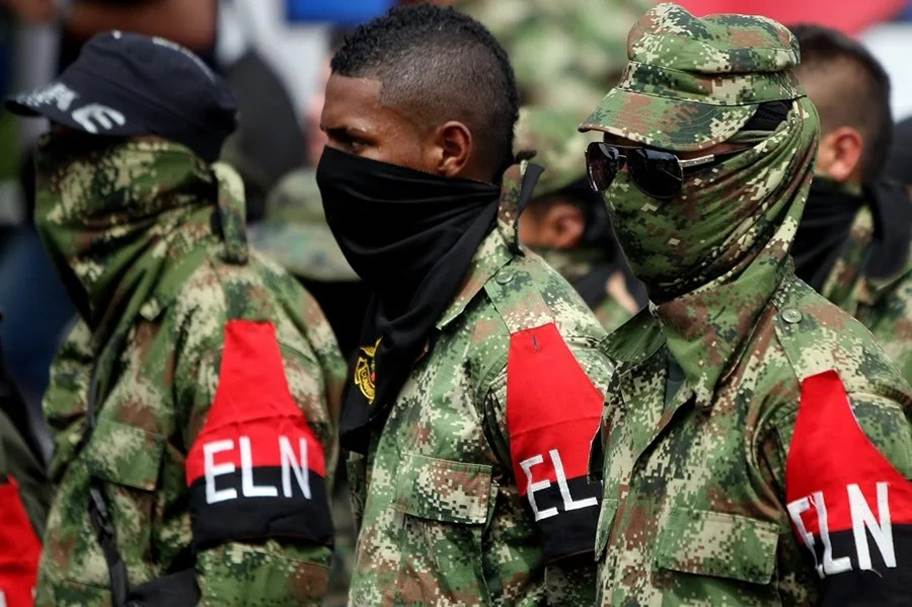
The ELN alleges criminal activity and connections to a rival armed group. Those are accusations by the captor, not proof of guilt. Its promise to investigate its own prisoners is especially grotesque: the organization responsible for their captivity proposes to determine when they deserve freedom.
In May, EFE reported that the ELN had imposed purported prison sentences of up to five years on two prosecution officials and up to three years on two police officers. This is the institutional prize behind the rhetoric: the power to impersonate a court.
Colombia’s internal armed conflict is real, but this is not a conventional exchange between warring states. International humanitarian law prohibits hostage-taking. Invoking war does not turn human beings into lawful bargaining chips or oblige the government to accept the kidnappers’ terms.
The Incentive Bogotá Should Refuse
The strongest argument against a swap concerns the next abduction. If capturing an officer can secure concessions, that officer becomes valuable twice: first as an obstacle removed from the street, then as leverage over the state. Refusal aims to break the second transaction.
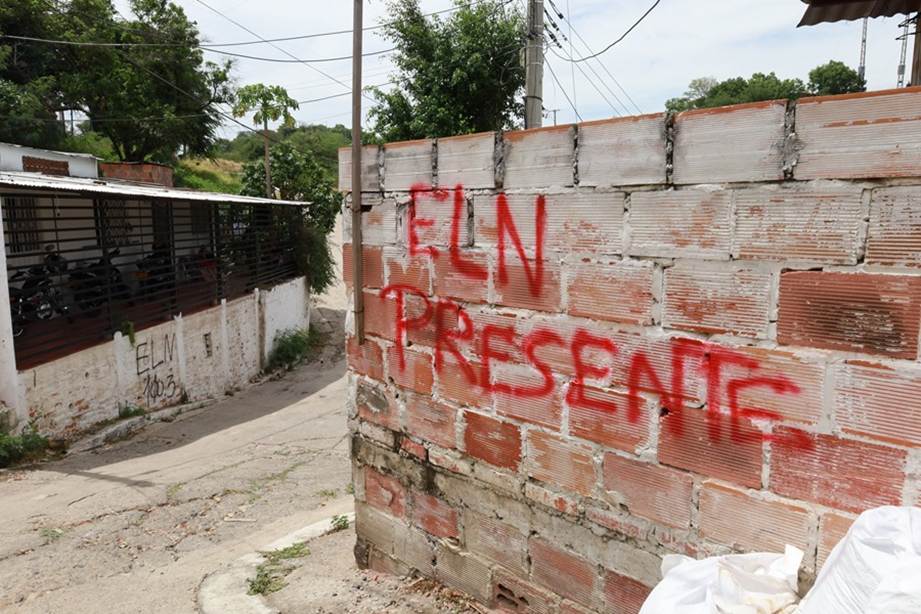
That matters particularly in Catatumbo, where the ELN, FARC dissidents, remnants of the EPL, and criminal gangs compete around coca cultivation and trafficking corridors. The region’s poverty exists alongside valuable illicit economies. An anti-kidnapping policy must confront organizations that can pursue political influence and criminal income simultaneously.
An exchange could offer more than personnel. It could signal that a roadblock can force Bogotá to bargain. Rejecting that proposition protects an elementary democratic principle: public authority should not be distributed according to who can seize enough people.
Kidnappers can still seek publicity or territorial control without expecting a swap. That limits deterrence claims, but it does not oblige the state to add another reward to their calculation.
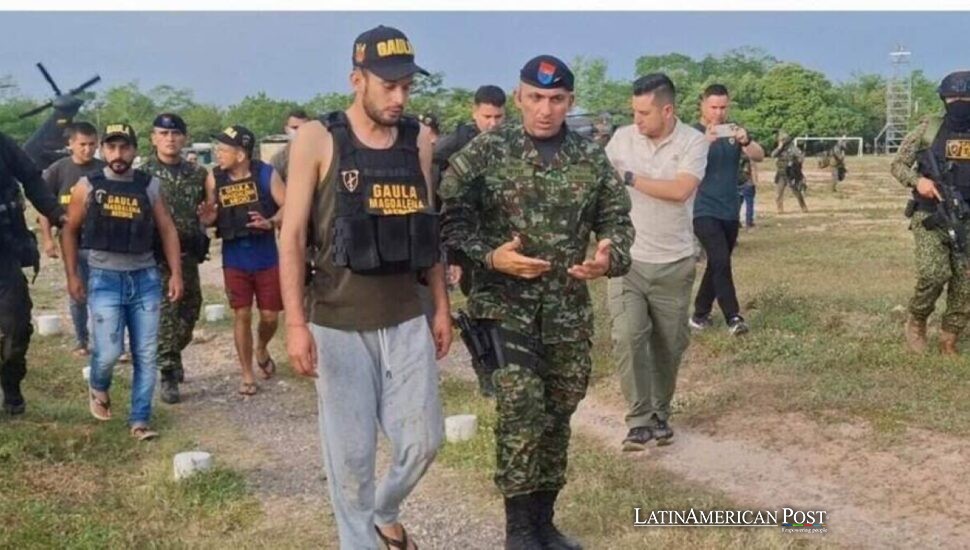
A practical alternative is also worth taking seriously. On September 15, authorities announced the rescue of eight people in rural Convención who, according to the official account reported by EFE, had spent two years in ELN captivity. The government credited military and police coordination, intelligence sharing, and the Army’s anti-kidnapping unit.
Recovering eight people is a substantial human achievement. It is not a national success rate, nor proof that refusing exchanges will deter every kidnapping. But it demonstrates that the choice need not always be surrendering concessions or accepting endless captivity. Operational capacity can create another exit.
The lesson should therefore be investment, not swagger. Fund the intelligence and coordination that make recovery possible. Measure success through people brought home and abductions prevented, not through the volume of presidential threats.
Firmness Must Bring People Home
The useful American precedent is more precise than the slogan that Washington never negotiates. Its 2015 hostage directive rejected concessions, including ransom and prisoner releases, while expressly allowing communication with hostage-takers and intermediaries. Refusing a reward and refusing a conversation are different policies.
Colombia should preserve that distinction. A channel to confirm someone is alive, arrange medicine, or organize a handover need not grant the ELN political recognition. Closing such channels would discard useful tools without necessarily denying kidnappers anything they value.
In May, seven captives, including a Venezuelan woman, were released in Arauca through a humanitarian commission involving the ombudsman’s office, the Catholic Church and the United Nations, according to EFE. That episode illustrates a mechanism the government should keep available, alongside lawful rescue operations.
Families, meanwhile, should never be treated as weaknesses in the national strategy. They deserve reliable information, psychological support, and officials who answer their calls. Their desperation is not disloyalty. A state refusing concessions assumes a greater obligation to show that it has not refused responsibility.
Rural residents should not have to choose between guerrilla threats and a government that treats their villages as enemy territory. The positive promise here is equal citizenship: the road to work belongs to the public, not whoever controls the nearest rifle.
Nor can a successful rescue elsewhere guarantee a safe outcome here. Any operation must put the captives’ lives and civilian protection ahead of political theater. De la Espriella’s pledge to act within the Constitution and the law should be an enforceable boundary, not ceremonial wording.
Colombia is right to refuse the ELN’s proposed transaction. The point is not that four lives matter less than a principle. It is that protecting those lives must not establish a business model for stealing four more.
Also Read: Latin American Allies Await Military Aid as Washington Changes Its Global Bearings