Rodrigo Paz’s First Year: Fuel Shortages, Foreign Policy, and Fraying Alliances in Bolivia
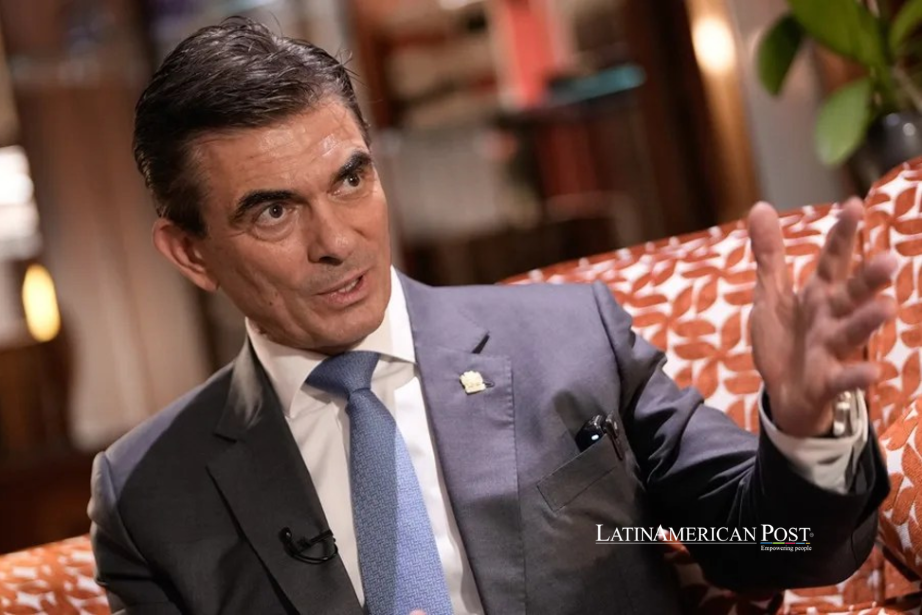
A year into Rodrigo Paz’s presidency, Bolivia has secured an IMF agreement and renewed ties with Washington. At home, motorists face fuel shortages, former allies want faster reforms, and a dispute over an Argentine consultant has reached the prosecutor’s office.
The Cost of a Tankful
For thousands of Bolivian drivers, the trouble continued after they found gasoline. Poor-quality fuel damaged their vehicles. A repair bill is a bitter expense for someone who makes a living behind the wheel, especially when the next tankful is also in doubt. Persistent shortages prompted the government to intervene at both the state oil company, YPFB, and the agency responsible for overseeing hydrocarbons.
Paz completed his first year in office on November 8, after discussing his record with EFE at the Ibero-American Summit in Madrid. His election ended a period in which the Movement Toward Socialism, or MAS, governed Bolivia for most of two decades under Evo Morales and Luis Arce. Gas production had helped sustain that era. As output declined, the country had fewer export dollars with which to buy fuel abroad.
Paz partially withdrew fuel subsidies, moved Bolivia away from a fixed exchange rate toward a flexible one, and secured a $1.9 billion financing agreement with the International Monetary Fund. Each measure reaches the household budget by a different route. Cutting a subsidy shifts some of the fuel bill from the treasury to the buyer. A weaker exchange rate makes imported goods more expensive in bolivianos. IMF financing gives the government access to dollars while it works to earn more through exports.
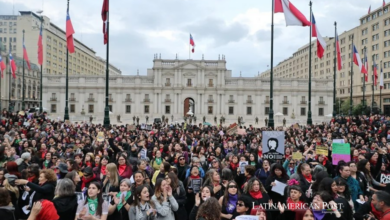
Two major rounds of protests drew the Bolivian Workers’ Center, rural organizations and supporters of Morales. The worst roadblocks, in May and June, caused estimated economic losses of more than $3 billion—a truck standing idle costs its operator money. For a grower with a perishable crop, a missed delivery can mean losing the sale altogether. An exporter may earn more bolivianos per dollar under a weaker exchange rate. To collect, someone still has to get the goods to a buyer.
Across Borders and Into Court
Paz promised to put “Bolivia in the world,” as EFE reported. In October, Chilean President José Antonio Kast arrived in La Paz for the first official state visit by a Chilean president in 71 years. Bolivia maintained its longstanding claim to sovereign access to the Pacific. For a landlocked country trying to sell more abroad, a working relationship with its Pacific neighbor has practical value even while the maritime dispute endures.
Washington also found a more receptive partner. Paz joined the Shield of the Americas initiative promoted by President Donald Trump’s administration and renewed U.S. cooperation against drug trafficking. His government points to the March capture of Uruguayan trafficker Sebastián Marset, subsequently sent to the United States, as a first-year achievement.
Along the Brazilian border, residents faced a different security situation. Contract killings became recurrent around the time of Marset’s capture. Bolivian authorities attribute the violence to territorial disputes involving Brazilian criminal organizations, including Primeiro Comando da Capital and Comando Vermelho. For communities living through those disputes, the question after a prominent arrest is whether anyone can prevent the next killing.
The investigations have reached the top of Bolivia’s justice system. In October, authorities jailed and removed Attorney General Roger Mariaca, whom the government accused of running a criminal organization that protected drug traffickers. Washington had revoked his visa days earlier. Supreme Court President Romer Saucedo later left Bolivia, saying he faced persecution. Hours later, news emerged that investigators were examining his role in the same case.
The Coalition Comes Apart
Paz’s first political break came inside his own administration. Vice President Edmand Lara said officials had sidelined him and declared himself an opponent in December. In August, businessman Samuel Doria Medina, whose backing dated to the presidential runoff, withdrew his support. He cited concerns about corruption and called for more extensive changes in how the state operates.
Former President Jorge “Tuto” Quiroga, leader of Libre, the largest opposition force in the legislature, called the period “one more year of MAS” in remarks to local media reported by EFE. Yet he welcomed the subsidy cuts, currency changes and international agreements. His objection concerned the centralized state and its loss-making companies. He accused the administration of going a year without securing passage of a law and of postponing constitutional reform.
The controversy over Fernando Cerimedo, an Argentine political consultant, has sharpened questions about access to Paz. Roughly ten recordings surfaced purporting to capture conversations with ministers, presidential relatives and private individuals. Critics say they suggest Cerimedo influenced government decisions. Prosecutors appointed a commission to establish the recordings’ authenticity.
Cerimedo faces at least four criminal cases in Bolivia and is in pretrial detention in two, involving allegations of attempted femicide against his former partner and illicit enrichment. Even if investigators identify the voices, establishing influence would require evidence that a conversation shaped a specific government decision.
Doria Medina described the first year on social media as a transition toward the political change voters sought. He wants stronger action on inflation, a sounder footing for public finances and more income from exports. For a driver paying to repair a damaged vehicle, those ambitions come down to whether tomorrow’s earnings will cover the mechanic, the fuel, and the trip back to work.