Colombian Wounaan Families Fled Guerrillas, Then an Earthquake Took Their Children’s Only School
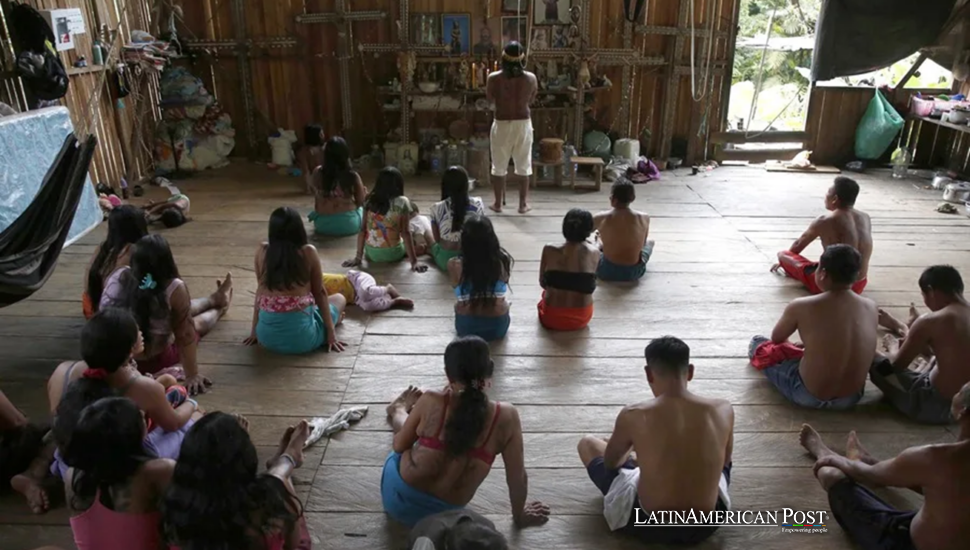
Thirteen years after fleeing guerrilla recruitment, 35 Wounaan families near Buenaventura have lost their only school to Colombia’s August earthquake. With damaged sanitation, suspended classes and armed groups nearby, protecting their children now means rebuilding far more than a classroom.
The Classroom That Held a Promise
Juancito Perdiz and Elvira Negría had already survived one terrifying departure. Gunfire drove them from their territory in 2013. When the earth shook on August 10 and “everything started falling apart,” the couple, both 69, told EFE the experience recalled that earlier terror. They had made another home. Now the community’s school was gone.
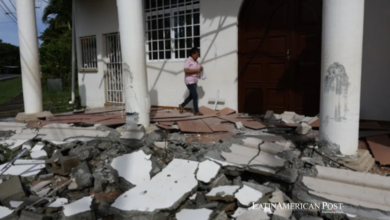
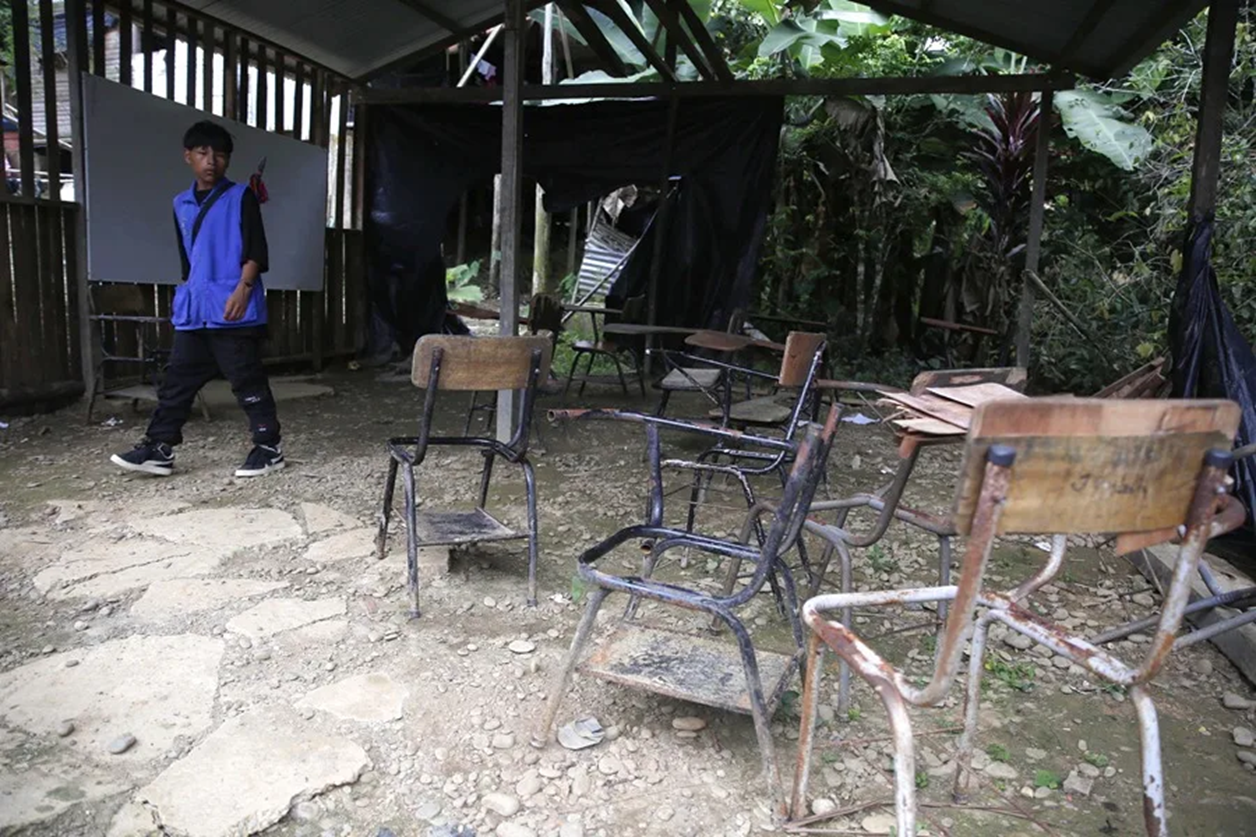
The magnitude 7.4 earthquake struck the Wounaan community of Jooin garim chaain in rural Buenaventura, where 35 families were already living precariously. Their only school, assembled from wooden boards and plastic sheeting, was damaged beyond use. Desks were destroyed. Both septic systems serving the community’s bathrooms were lost, according to EFE’s reporting.
At this scale, the losses leave no fallback. Losing one school meant losing every classroom available within the community. Destroying two sanitation systems compounded an existing shortage of basic services. Reconstruction here cannot be measured simply by replacing walls; a usable school also requires desks, supplies and functioning bathrooms.
“Right now the children are not attending classes,” community leader Oliverio Perdiz told EFE, citing the damaged building and furniture and the shortage of school supplies. He also described lost space for play and disruption to food, housing and employment. With classes suspended, children are entirely in adults’ care, without their usual school routine.
The closure also complicates recovery. Adults trying to restore household routines must provide care throughout hours previously spent at school. Reopening classes would therefore do more than restart lessons: it would give families room to address the food, housing and employment difficulties that Oliverio says the earthquake intensified.
Residents still worry the ground will shake again, Perdiz said. María Alejandra Celis, the Danish Refugee Council’s emergency manager in Colombia, told EFE that communities already caught in territorial conflict had been left more exposed by the disaster. Her organization delivered aid, but the earthquake’s damage sits atop years of insecurity.
Flight Without Safety
The family’s refuge began with little ground. After leaving Litoral del San Juan in Chocó, Juancito established the settlement on a plot seven meters by fifteen: just 105 square meters, about 1,130 square feet. It expanded as relatives arrived, a settlement growing around family ties rather than a ready supply of housing and services.
Oliverio followed his parents because he wanted the children protected from recruitment. Armed groups had interfered with cultivation and craftwork, he told EFE, narrowing the activities through which families supported themselves. Flight was therefore more than movement away from shooting. It was an attempt to preserve livelihoods and keep young people out of armed organizations.
“The displacement was forced,” he told EFE. Groups including the FARC and ELN had made ordinary life untenable, and recruitment deepened the fear. His explanation matters because it places a decision often described through migration statistics where it belonged: among parents trying to prevent someone else from deciding their children’s futures.
Buenaventura offered proximity to relatives, not an escape from violence. The community now lies amid territory contested by criminal groups, principally Los Espartanos and Los Shottas. Oliverio told EFE that armed men have passed along community paths. The Indigenous guard watches the territory, and residents avoid moving around at night.
This is the contradiction of their refuge. Colombia’s principal Pacific port anchors a region where these families still lack dependable services and security. Thirteen years after displacement, a rudimentary school remained their only educational facility. The earthquake did not create that deprivation. It exposed how little protection had accumulated around people who had already lost their home.
Keeping a People Together
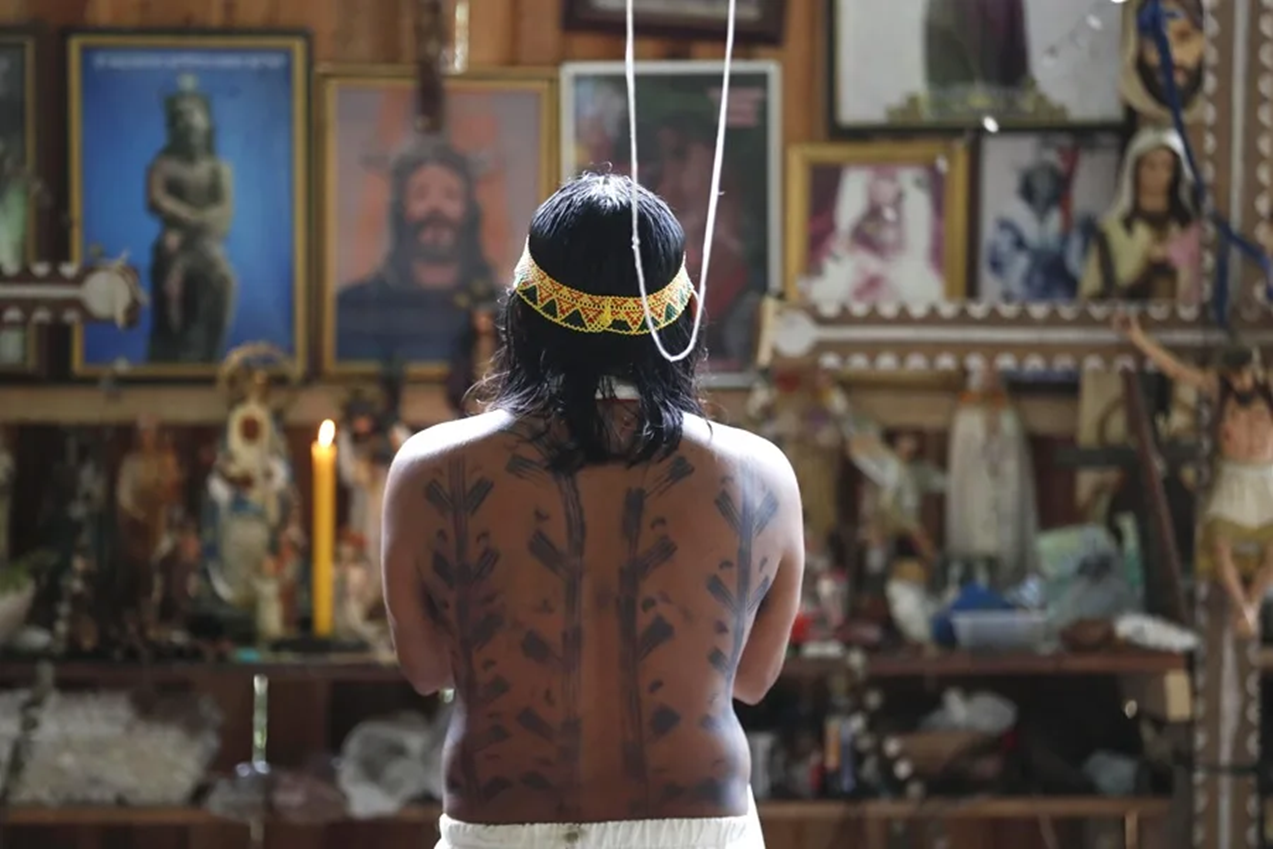
Since the shaking, residents have turned toward practices that organize community life. Spiritual guide Macario Perdiz told EFE that they gather three times daily for rogativas, prayers offered before an altar containing Catholic images. They ask for protection in a place where danger has come from armed men and, now, the ground beneath them.
Leaders call women and children together in their language, Nonam. They use the natural ink of jagua, a tropical fruit, to paint parts of their bodies before dancing. “Our ancestors painted like this,” Macario explained to EFE. The markings, he said, are intended to keep evil away.
Across these ceremonies, Catholic images coexist with Indigenous language and ancestral body painting. When Macario explains why the jagua markings matter, he is passing on something the earthquake has not destroyed. For children unable to attend school, those gatherings preserve contact with elders and with traditions the families carried from the territory they still cannot return to.
Those practices are part of the recovery, not evidence that the community can manage without public services. Rebuilding must connect classrooms to sanitation and safety. Otherwise, replacing wooden walls would leave intact the conditions that made a single shock capable of interrupting every child’s education.
Juancito and Elvira still regret that they cannot return to their territory. What sustains them, they told EFE, is having their family together and imagining children growing up beyond the reach of armed conflict. They left to protect that possibility. Thirteen years later, it needs more than survival: it needs a school whose doors can open again.
Also Read: Colombia Judge Temporarily Bars Airstrikes When Intelligence Shows Children May Be Present