Peru Recruits FBI as Organized Crime Reinvents Its Survival Strategy
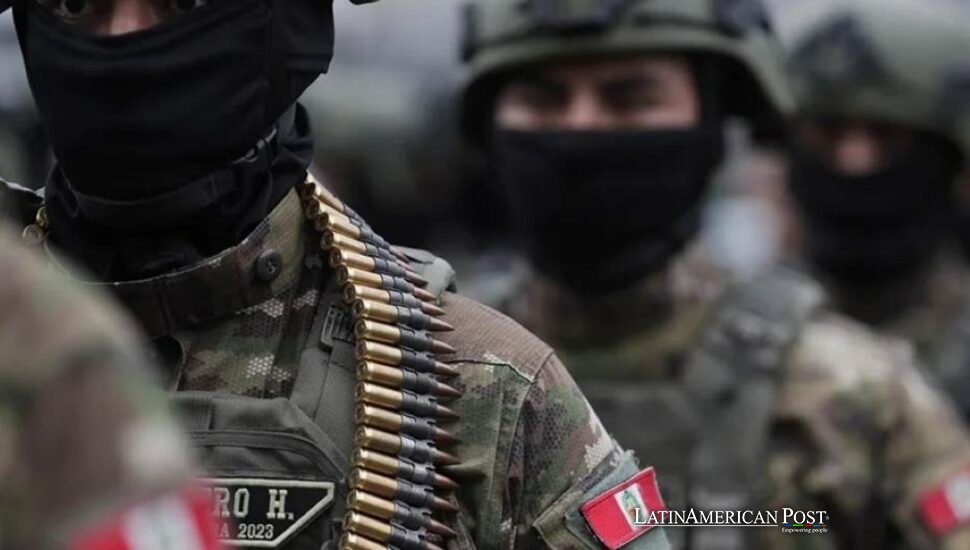
Peru’s FBI partnership promises technology, training, and sharper investigations. Yet, the country’s criminal networks have survived repeated crackdowns by fragmenting, crossing borders, exploiting illegal economies, and embedding extortion inside ordinary commerce, from neighborhood buses to Pacific ports and mining corridors.
Crime Learned to Travel
In transport yards and neighborhood markets, the alliance will be judged by whether frightened businesses reopen.
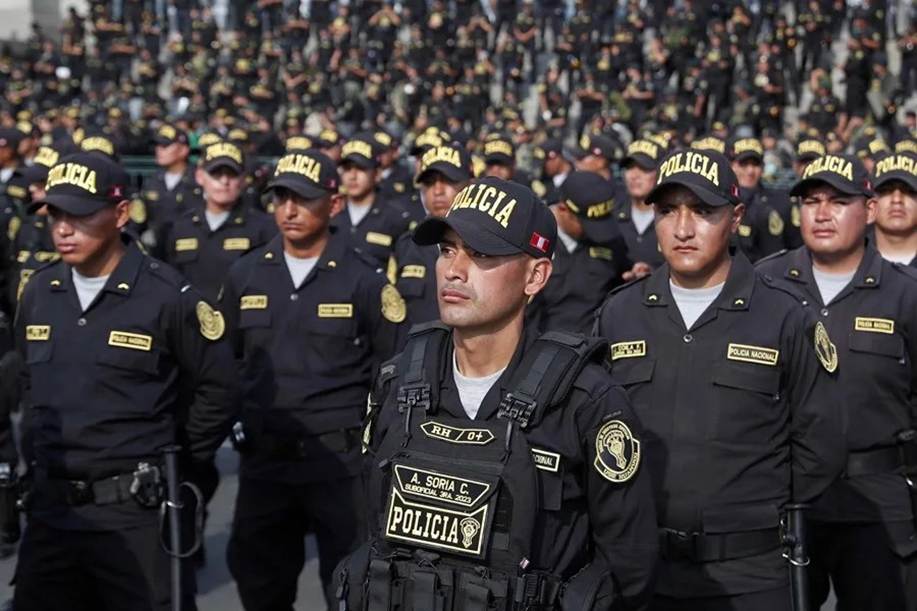
The agreement arrived wrapped in the language of warning. Peru’s national police commander, Óscar Arriola, told EFE that an accord with the FBI had been signed three and a half months earlier, during the transitional government of José María Balcázar, to confront crime that “has no borders.” The United States Embassy called it a new step in specialized investigation, backed by technology, logistics, training, and high-level professional assistance.
Ambassador Bernie Navarro went further. “Pay attention, criminals,” he wrote after welcoming new members of the FBI-PNP team. Together, he said, the two countries would keep dismantling criminal organizations and protecting families.
Yet the announcement contained an immediate puzzle. President Keiko Fujimori told reporters that no agreement with the FBI had been signed. The contradiction may reflect bureaucratic timing, legal formalities, or competing political ownership. It also reveals something deeper about Peru’s security crisis: the state is still trying to define its command structure while criminal groups operate across jurisdictions with fewer ceremonial constraints.
The organizations being targeted have not disappeared. They have adapted, fragmented, and repeatedly multiplied.
A single cartel with a single hierarchy, headquarters, and a recognizable chain of command does not control Peru. Its criminal economy is increasingly made up of local gangs, foreign cells, trafficking partnerships, extortion crews, illegal miners, money launderers, and hired gunmen who cooperate when profitable and separate when pressure rises.
That structure makes victory difficult to declare. Arresting a leader may damage one network without eliminating the market that produced it. A neighborhood transport route still generates payments. A mining corridor still moves gold. A border still offers passage. A frightened shopkeeper still has reason to pay before trusting a distant police promise.
The Profits Beneath the Violence
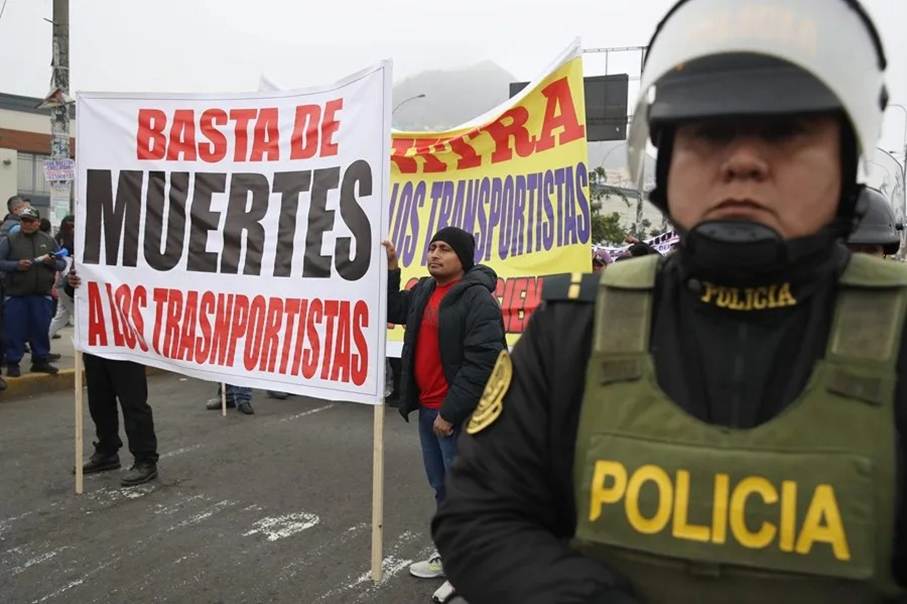
Peru recorded 2,226 killings in 2025, more than twice the figure five years earlier, according to official figures. Reported extortion cases rose roughly fivefold to nearly 29,000. Between January and June 2026, prosecutors received 12,634 complaints involving extortion and blackmail, averaging nearly 70 reports per day.
The real number is likely higher. Victims fear retaliation, while police and prosecutorial databases do not always agree. That statistical fracture is not a technical footnote. When agencies count differently, investigators struggle to identify patterns, governments can dispute responsibility, and criminal groups gain room to move inside the gaps.
Extortion has become the connective tissue of Peru’s underworld because it requires less infrastructure than international drug trafficking. A crew does not need aircraft, laboratories, or a global distribution chain. It needs telephone numbers, local intelligence, weapons, and a reputation for carrying out threats.
Transport operators, construction businesses, market vendors, nightclubs, and neighborhood stores can all be taxed through the “cuota.” One killing can intimidate hundreds of potential victims. Violence becomes advertising.
Los Pulpos, rooted around Trujillo and El Porvenir, show why this economy cannot be blamed only on newly arrived foreign groups. The organization’s history predates the recent expansion of Venezuelan networks and has extended into Chile. Los Injertos del Cono Norte, associated with extortion, contract killings, and weapons crimes in Lima, represents another locally embedded structure.
Tren de Aragua-linked cells added a transnational layer. The Venezuelan-origin network expanded along the Andean corridor through extortion, kidnapping, human trafficking, money laundering, and contract killing. Even when particular cells are dismantled, the operating model survives through affiliates, imitators, and alliances.
Illegal gold makes the landscape still harder to police. Mining networks can combine money laundering, forced labor, trafficking, corruption, and territorial control. Gold is portable, globally valuable, and easier to blend into legal commerce than many illicit products. In the VRAEM, cocaine trafficking overlaps with armed remnants of Shining Path, linking a modern criminal market to the unfinished geography of Peru’s internal conflict.
These organizations persist because legal weaknesses and legal demand feed them. Informal labor creates vulnerable businesses with limited protection. Corruption sells access. Weak prison control allows criminal coordination. Difficult terrain frustrates state presence. Poverty provides recruits, while fear suppresses testimony.
Washington Sees More Than Gangs
The FBI partnership is therefore a genuine security response, but it also sits inside a larger geopolitical map.
Peru is a major cocaine-producing and transit country, the world’s third-largest copper producer, and a Pacific nation whose ports connect South America to Asia. China has become deeply involved in Peruvian mining and infrastructure, with bilateral trade reaching about $50 billion in 2025, compared with roughly $19 billion between Peru and the United States.
The most visible symbol is Chancay, the Chinese-built, COSCO-operated deepwater port north of Lima. It promises shorter shipping times between South America and Asia and a larger Peruvian role in Pacific commerce. For Washington, that makes security cooperation inseparable from questions of infrastructure, minerals, naval access, and Chinese influence.
The United States designated Peru a Major Non-NATO Ally in January 2026 and moved toward deeper defense cooperation. The Fujimori government has called Washington a strategic partner and expressed interest in the U.S.-backed Shield of the Americas.
FBI training can improve investigations. Biometric tools can strengthen border and prison controls. Financial intelligence can trace extortion payments, illegal gold, and laundering. Yet technology will not dissolve the political economy sustaining crime.
Peru’s criminal organizations remain because they are not foreign bodies attached to an otherwise healthy system. They grow where state protection is intermittent, markets are informal, institutions compete, and illegal profits cross easily into legitimate business.
The new alliance may catch predators. Its greater test is whether Peru and the United States can make predation less profitable than ordinary life. Until that changes, the names of the organizations may shift, but the structure that keeps producing them will remain.
Also Read: Peru Still Walks Beneath Shining Path’s Long and Violent Shadow