Cuba Goes Dark Again as Old Machines Outlast Every Promise
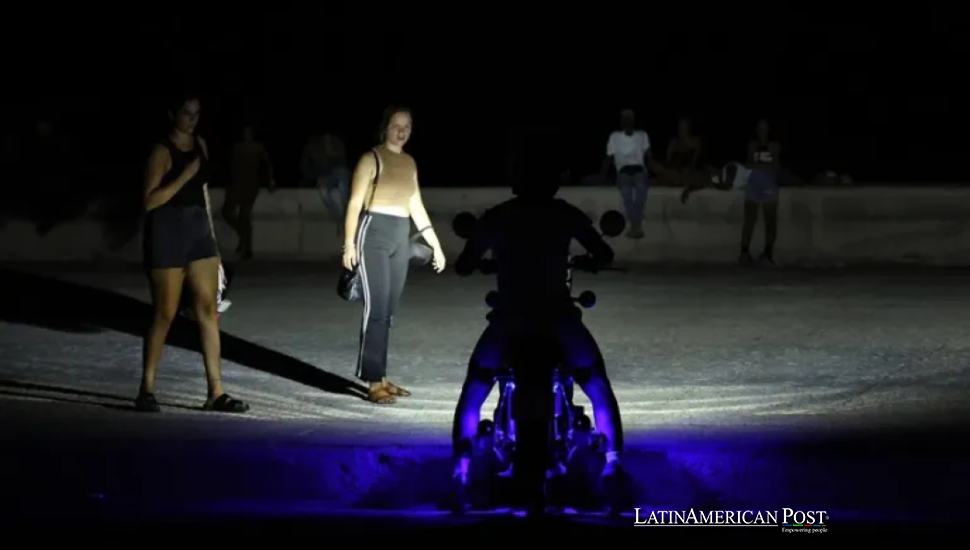
Cuba’s sixth nationwide blackout this year has left more than nine million people without electricity, exposing how aging Soviet-era plants, fuel scarcity, sanctions, underinvestment, and a brittle grid have converged into a national emergency that no single repair can solve.
The Island Wakes Without Power
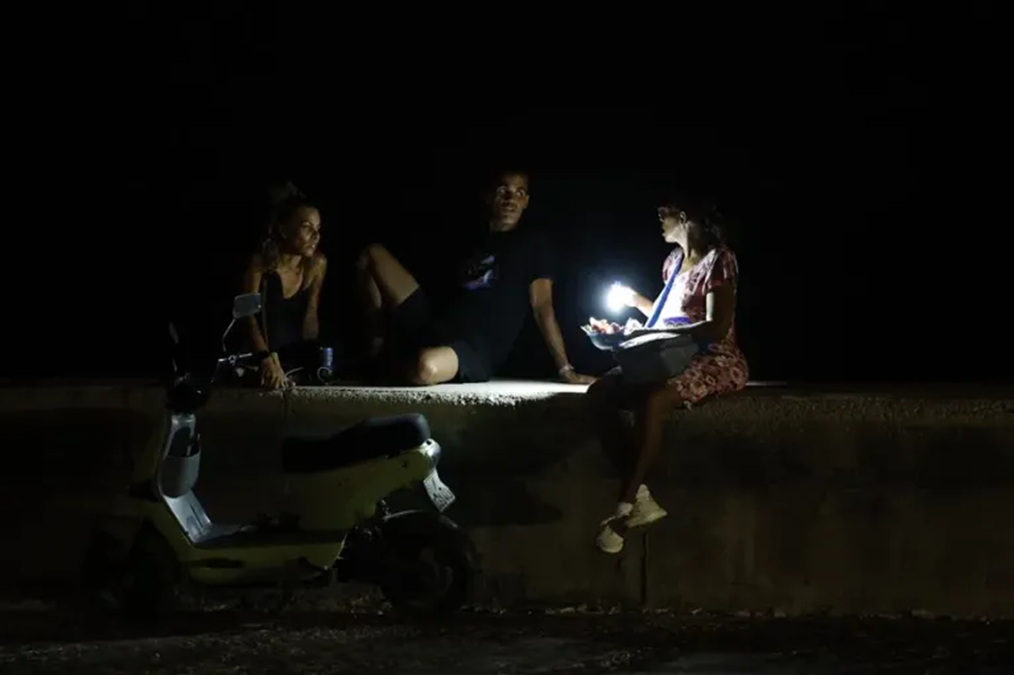
By Monday morning, much of Cuba remained dark. Fans stopped turning in bedrooms thick with heat. Refrigerators warmed quietly. Water pumps failed in apartment blocks, and families who had charged phones during a brief return of electricity watched the battery percentage fall again.
The national grid disconnected at 10:43 p.m. Sunday, according to the state-run Electric Union. It was the sixth island-wide collapse this year and came one day after a failure in western Cuba left roughly 4.5 million people without service. EFE reported that the earlier breakdown followed the simultaneous tripping of major 220-kilovolt lines linking Matanzas with Cienfuegos and Santa Clara. Authorities had not explained Sunday’s nationwide failure.
Recovery begins in fragments. Engineers create small electrical “islands” around hospitals, water systems, and other critical sites. More than a hundred had been established by Monday. Crews then connect those pockets and send enough current toward the large thermoelectric stations to restart and synchronize them.
It is delicate work. Generation and demand must balance almost instantly. If too little power is available when provinces reconnect, the network can collapse again. Cuba’s tragedy is that even after engineers rebuild the grid, they often return it to the same shortage that helped destroy it.
The blackout is not merely a technical incident. It is the visible moment when several slow crises meet. For Cubans, each restoration now feels temporary, less like recovery than a borrowed interval before machinery, fuel, or transmission fails somewhere again nearby.
A Grid Built for Another Century
Most Cuban electricity still comes from oil-fired generation. Many thermoelectric units were built with Soviet assistance in the 1970s and 1980s and have survived far beyond their expected lives. Turbines fail. Boilers crack. Repairs are delayed because parts, financing, and equipment are scarce.
More than half of the country’s generating units are commonly unavailable because of breakdowns or maintenance. When one large plant trips unexpectedly, hundreds of megawatts disappear in minutes. On a hot day, when fans and refrigerators push demand higher, that loss can turn controlled outages into cascading failure.
Fuel is the second pressure. Cuba produces heavy crude, but not enough to satisfy demand, and its quality limits where it can be used. The island historically relied on imported oil, especially subsidized Venezuelan supplies. Those shipments became less dependable as Venezuela’s oil industry deteriorated and Cuba’s hard currency narrowed.
Since January, tighter United States restrictions on petroleum shipments have worsened the shortage. Havana calls the policy a blockade and argues that Washington is preventing purchases of crude, diesel, and fuel oil. Sanctions also complicate financing, shipping, insurance, and access to spare parts.
Yet sanctions do not explain the entire darkness. Cuba’s system was weakening before the latest restrictions. Years of centralized planning, insufficient investment, low productivity, and delayed reform left almost no reserve capacity. Independent economists generally see both external pressure and domestic failure. Reducing the story to one culprit may be politically useful, but it does not keep a refrigerator cold.
Distributed generators powered by imported diesel and fuel oil once supplied roughly 40 percent of the energy mix. That system is nearly paralyzed. Thermoelectric plants contribute another large share, but aging equipment makes them unreliable. Gas and renewable sources provide the remainder, with solar growing through Chinese support but unable to stabilize the country after sunset.
The transmission network is fragile too. Old transformers, overloaded circuits, deteriorating lines, and hurricanes create failures even when electricity is available. Cuban crews often restore service with remarkable speed, but emergency improvisation cannot substitute forever for modernization.
Repairing More Than the Grid
Experts estimate that fully rehabilitating Cuba’s electrical system could cost between $8 billion and $10 billion. That is beyond the reach of an economy that contracted about 15 percent between 2020 and 2025 and has struggled with shortages, weak investment, migration, and dwindling confidence.
Still, the path forward is not mysterious. Cuba needs replacement generating capacity, modern transmission lines, maintenance inventories, and enough fuel to survive the transition. It also needs solar and wind paired with battery storage, because panels alone cannot support hospitals or homes at night. Smaller regional systems could prevent one failure from pulling the entire island into darkness.
The harder reforms are institutional. Authorities must publish clearer operating data, maintenance schedules, outage forecasts, and investment priorities. Foreign capital will remain cautious without transparent rules and reliable payment mechanisms. Sanctions relief would lower costs and widen access to technology, but domestic management must change if new money is not to be swallowed by old inefficiencies.
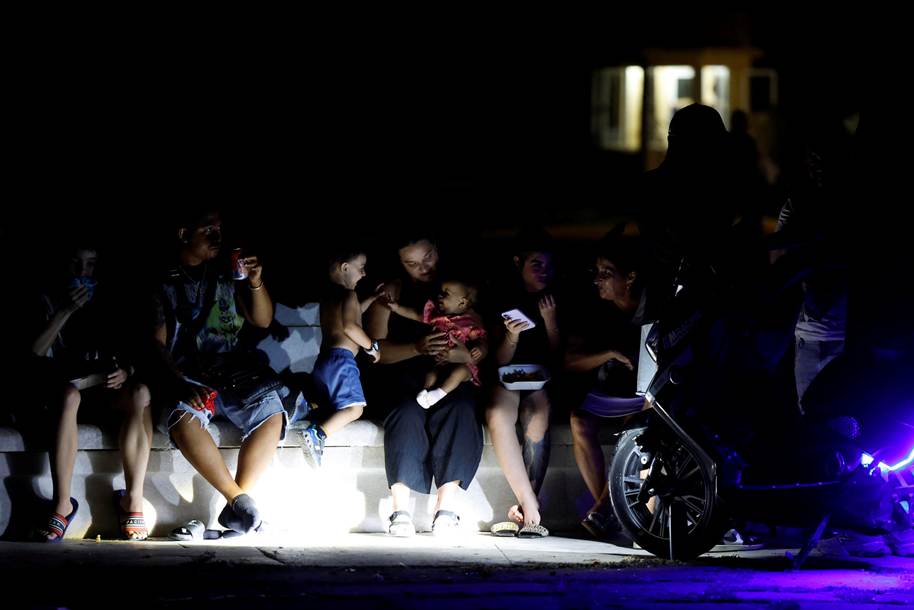
The social consequences keep accumulating. The crisis has nearly paralyzed the state economy and intensified cacerolazo protests and garbage-container fires across the island. Electricity is not an abstract measure of development. It is insulin kept cold, bread baked before dawn, a child sleeping through tropical heat, and a worker able to earn a wage.
Cuba can reconnect the grid again. Its engineers have done so repeatedly under extraordinary conditions. The deeper question is whether the country will rebuild the system, or simply restore electricity long enough to begin waiting for the next collapse.
Also Read: Argentina Locks Its Budget as Milei Rewires the Central Bank